A Finding Before A Part Swap
Ask where the water starts and what supports the recommendation. A wet floor by the heater is not enough to identify a faulty relief valve.
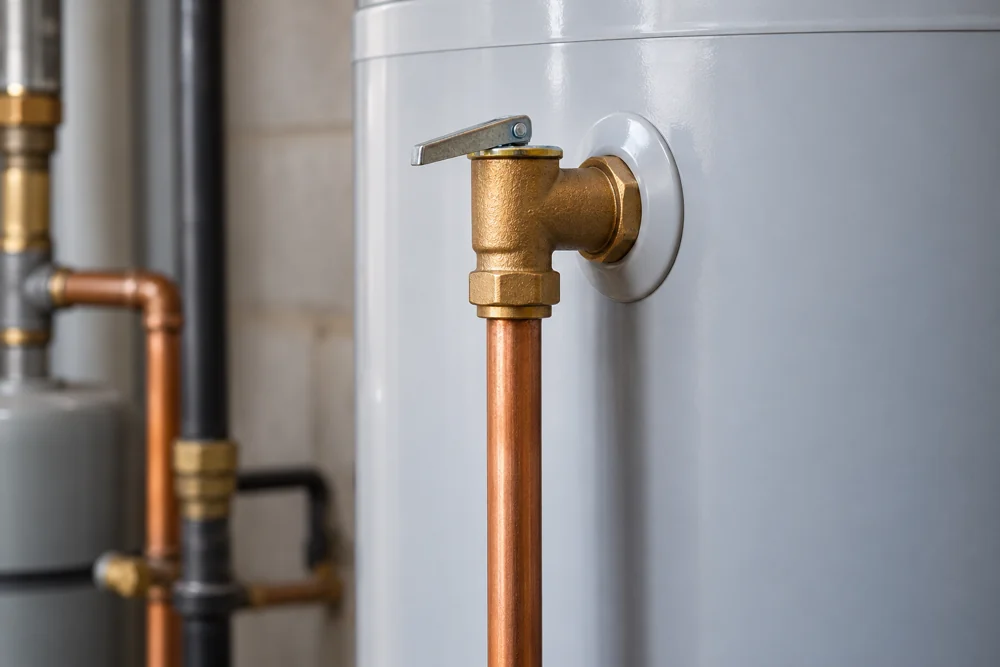
A dripping relief pipe raises two questions: is the valve faulty, or is it releasing water for a reason? Start with the cause, then agree on the replacement and any related work.
A temperature and pressure relief valve, usually called a T&P valve, needs replacement when assessment finds it is defective or unsuitable for the heater. Water from its discharge pipe also calls for checks of the operating conditions. Replacing the valve alone may not resolve the cause.
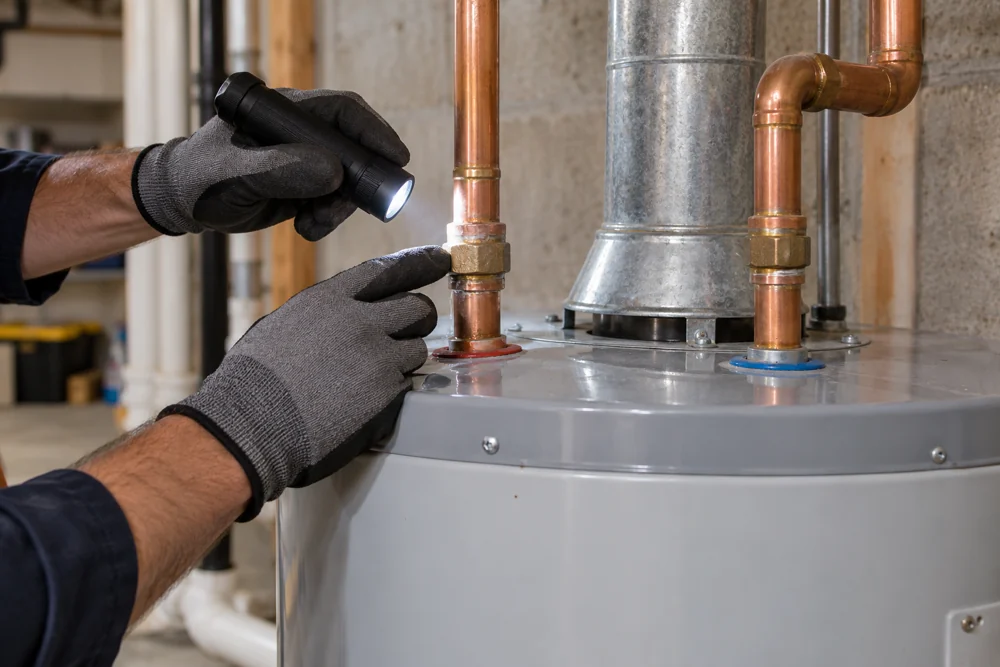
You do not need to operate the lever or remove a part to make a request. Describe what you can see safely and whether the discharge is continuing. Watts explains the valve’s safety role.
Make the repair decision with an explanation of the finding, the proposed work and its limits.
Ask where the water starts and what supports the recommendation. A wet floor by the heater is not enough to identify a faulty relief valve.
The proposal should name the valve and explain any discharge-pipe, pressure-control or expansion work. Ask which items are included and which are separate.
A replacement needs to suit the heater and its installation. The discharge route and any unresolved cause belong in the conversation too.
Describe the basement, utility closet or garage access before the appointment. Confirm coverage, fees and who can approve the work at your address.
Unsure which valve is leaking? Tell us where the water appears. A safe photo and the heater’s model can help explain the request.
Discuss The Valve LeakConfirm the actual scope and equipment capability with the attending provider.
Observe from a safe position. These descriptions help arrange assessment; they do not identify the failed part remotely.
Note whether it appears while the heater is recovering after hot-water use. The timing is useful information for the visit.
Report whether the flow is continuing and whether hot water or steam is present. Keep clear rather than trying to collect or redirect it by hand.
Describe whether water starts where the valve enters the heater. That finding needs distinguishing from water passing through the valve outlet.
Have the invoice and date ready. Say what was changed and whether the symptom began immediately or appeared later.
Tell the provider the valve has already been replaced. Ask what the earlier diagnosis showed and what needs checking now.
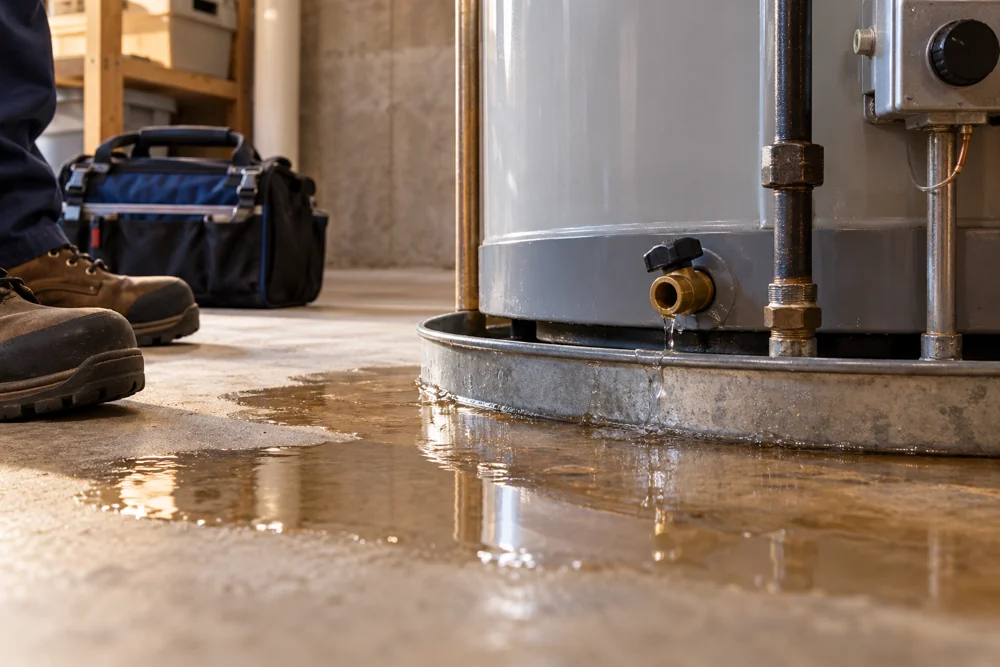
A puddle can come from another fitting, the drain point or the tank. Start with leak detection when the source is unclear.
Not always. The outlet, the connection and the storage tank are different places for a leak to begin.
| What You Notice | Assessment Question | Useful Detail To Give |
|---|---|---|
| Drips During Heating | Thermal expansion or pressure conditions, as well as valve condition. | When the drip begins and whether it stops between heating cycles. |
| Steady Water From The Outlet | Why the valve is discharging and whether the valve itself is defective. | Whether the flow is current; mention any unusually hot water or steam. |
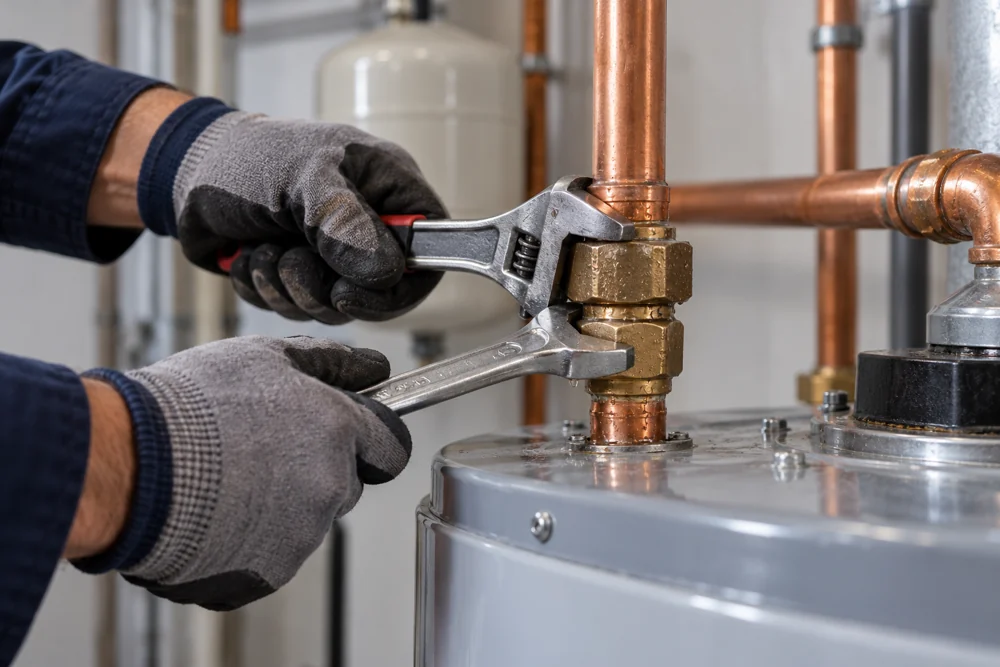
| Leak Around The Threaded Joint | The joint seal versus damage at the heater connection. | The highest point visibly wet, without touching or dismantling it. |
| Leak At The Tank’s Welded Connection | Whether the fault is in the heater itself rather than the removable valve. | Any finding or photograph already provided by a technician. |
| Drip Returns After Replacement | Any unresolved system cause and the replacement selection. | The previous invoice, part details and timing of the repeat symptom. |
| Water Elsewhere On The Heater | A supply fitting, drain valve, tank leak or another source. | Where water first appears, rather than only where it lands. |
A. O. Smith distinguishes these leak locations in its relief-valve bulletin. The on-site finding determines the work.
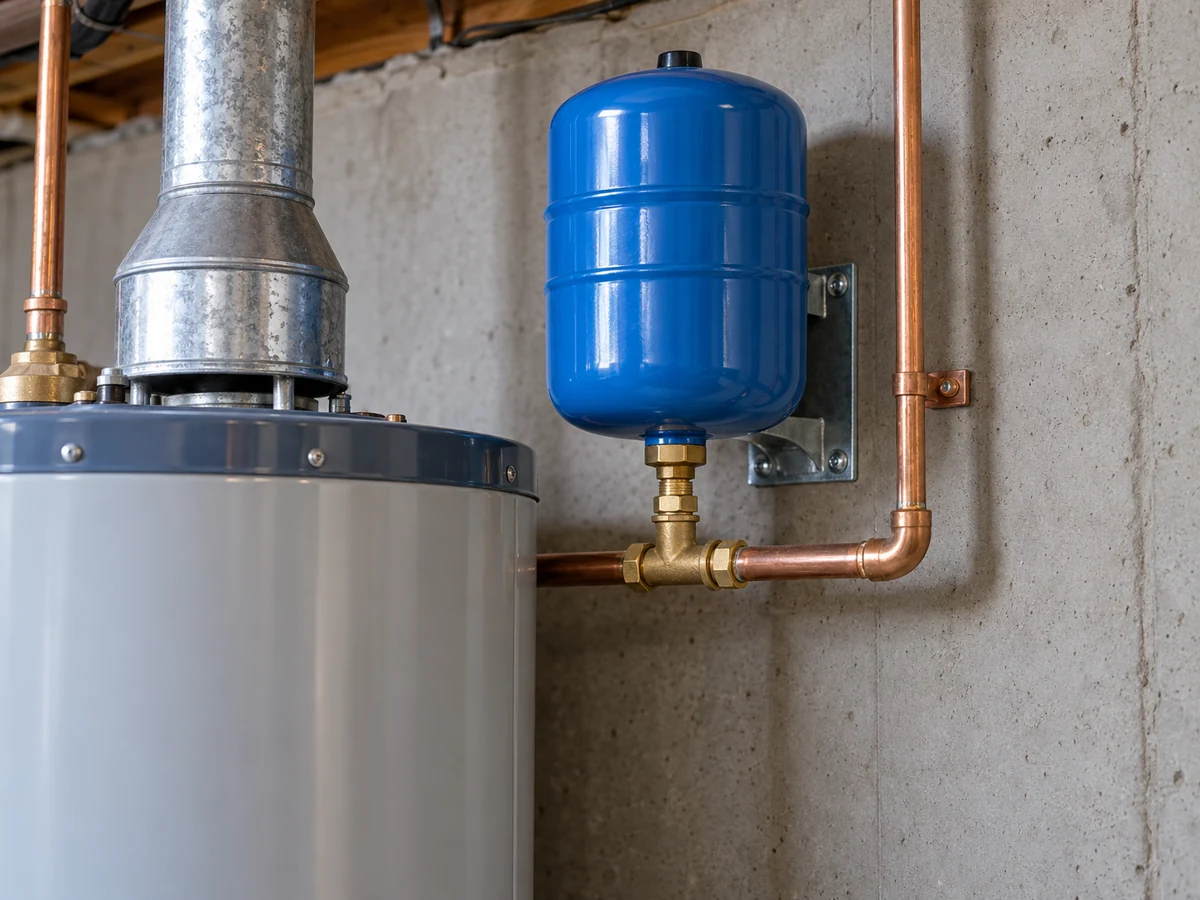
A new valve does not correct every condition that can make a relief outlet release water.
Heating expands water. In a closed plumbing system, that extra volume needs appropriate expansion control. A recurring heating-cycle drip can warrant checking that arrangement, rather than repeating a valve change.
Was the fault in the valve, the connection or the operating conditions? Ask which finding supports the proposed correction and how it will be checked afterward.
Read A. O. Smith’s thermal-expansion guidance or explore expansion tank replacement when that component has been diagnosed as faulty.
The correct part follows the equipment requirements. “It screws into the opening” is not a complete selection check.
The valve must provide the protection specified for the heater. A higher pressure rating is not a workaround for repeated discharge.
The replacement’s discharge capacity must meet the heater’s requirements. Thread size alone does not establish a suitable replacement.
The temperature-sensing element, connection and installation position need to suit the equipment. Have the heater’s model and rating information available.
The provider should follow the applicable heater and valve instructions and confirm local installation requirements. A photograph cannot establish every compatibility detail.
Manufacturer references: Watts valve specifications and Watts capacity and application guidance. These are background references, not a recommendation of one model for every heater.
Use this as a conversation checklist. The provider confirms the actual procedure for your equipment.
Report the symptom and any prior repair. Ask the provider to identify the water path and explain the pressure, expansion or equipment checks indicated.
Confirm the part, any discharge-pipe corrections and any related work. Discuss safe isolation, access, expected interruption and the price before approval.
The attending technician handles the actual replacement and installation checks. Ask whether anything found during the work changes the approved scope.
Keep the part description and invoice. Ask what checks were completed, whether an operating-cycle observation is needed and what to do if water returns.
Ask the provider to connect the proposed work to the actual finding.
If the valve is defective, replacement may be appropriate. A joint leak needs its own finding; a damaged tank connection can change the recommendation.
Understand The Leak Source →When the valve is reacting to system conditions, ask how that cause will be corrected. A safety valve should not become the routine method of controlling expansion.
Expansion Tank Help →A leak through the storage tank is a different scope. Ask for the finding and a complete replacement estimate rather than an unrelated valve swap.
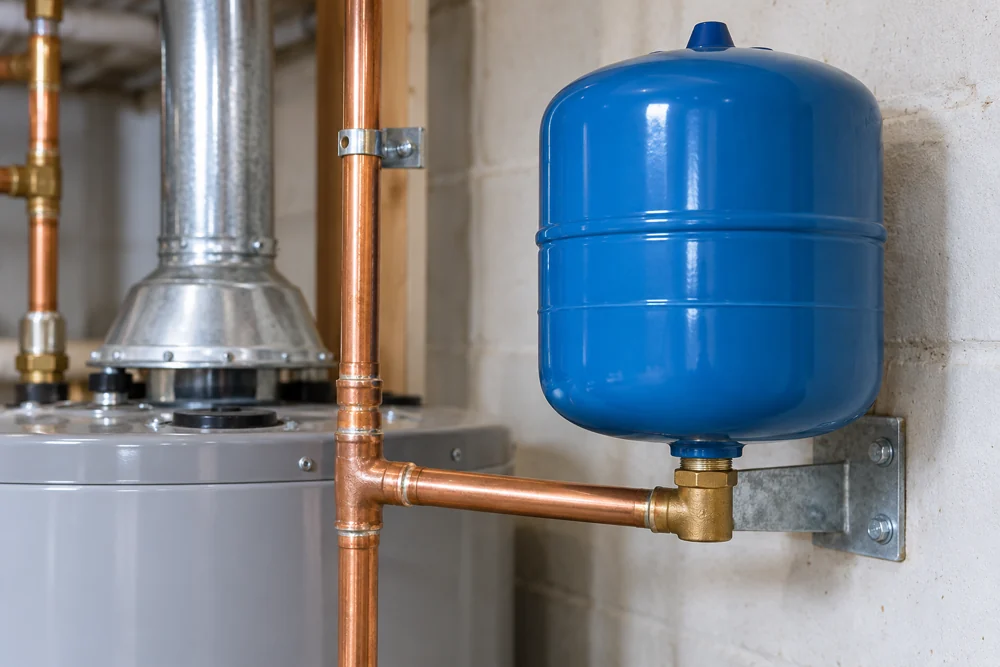
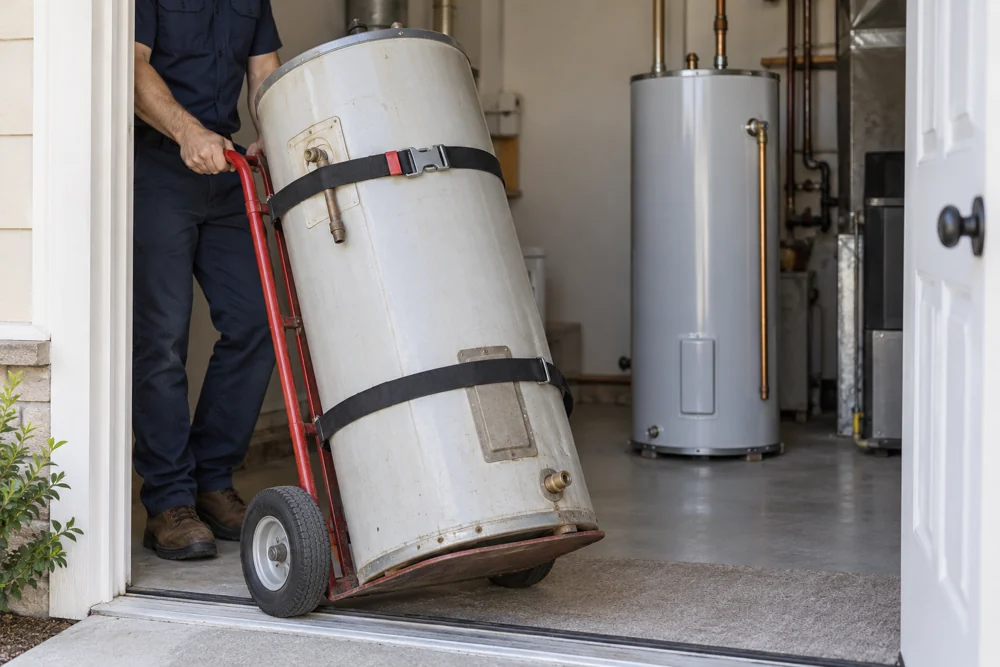
Water Heater Replacement →Three service-specific draft cases covering persistent seepage, a damaged valve body and an incompatible valve. These proposed cases await completed-job confirmation; the images show equipment arrangements.
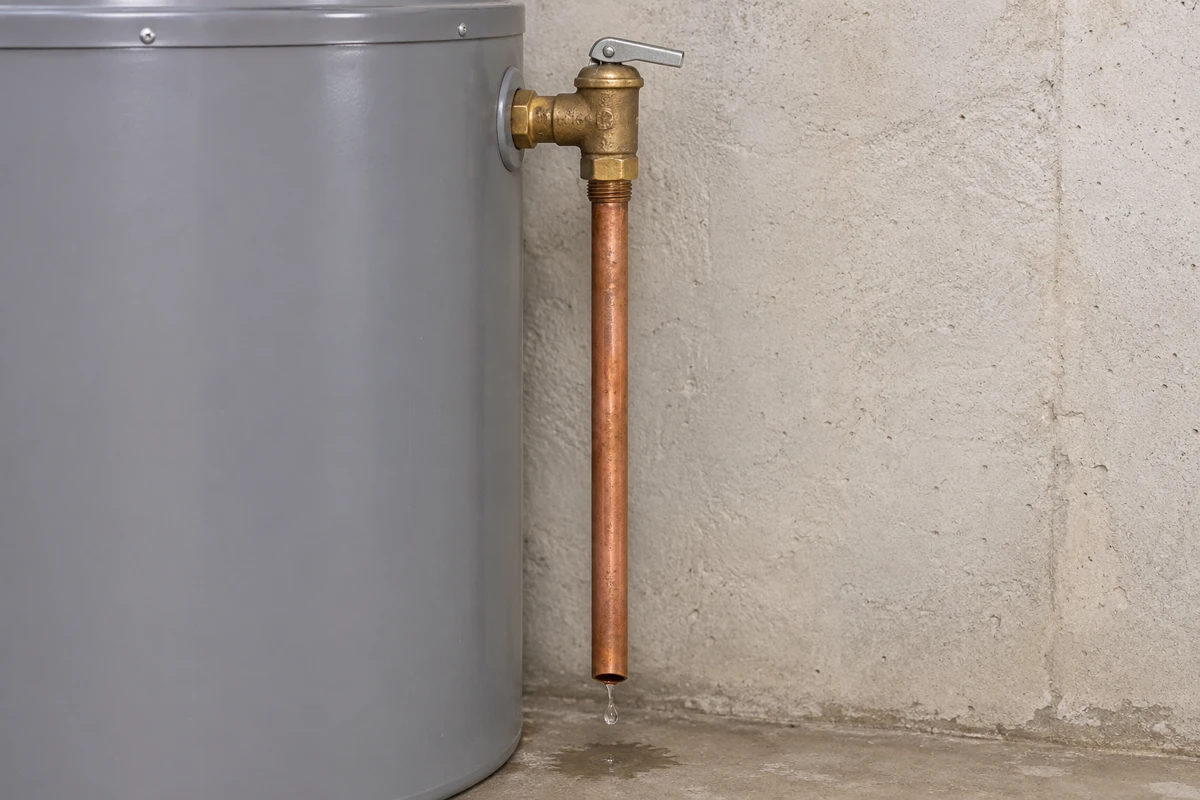
This scenario concerns a valve that remains unserviceable after the relevant supply-pressure, thermal-expansion and valve-condition checks. A dripping outlet alone would not establish that finding.
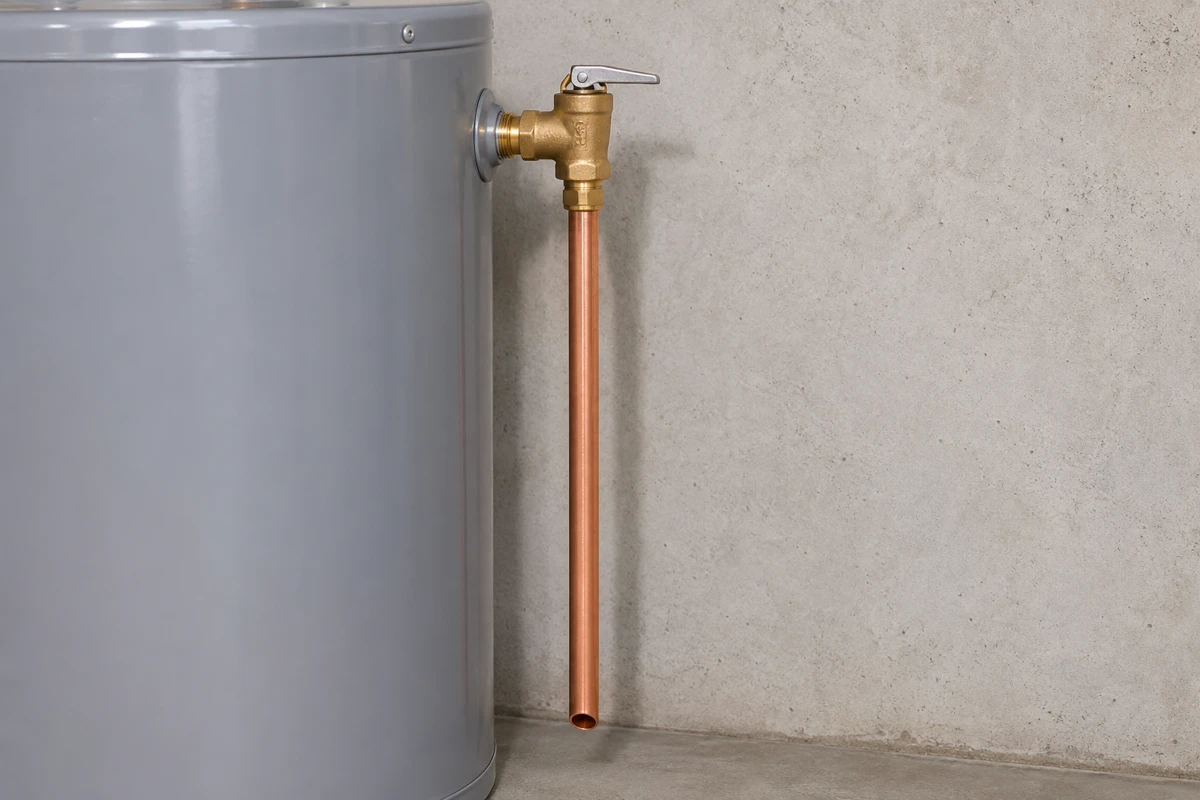
Proposed Work: If assessment confirms valve failure, a qualified provider would install a replacement suited to the heater and retain a properly arranged, unobstructed discharge path.
Completion Check: Check the repaired connections and relief outlet under the relevant operating conditions, and record whether the original seepage has resolved.
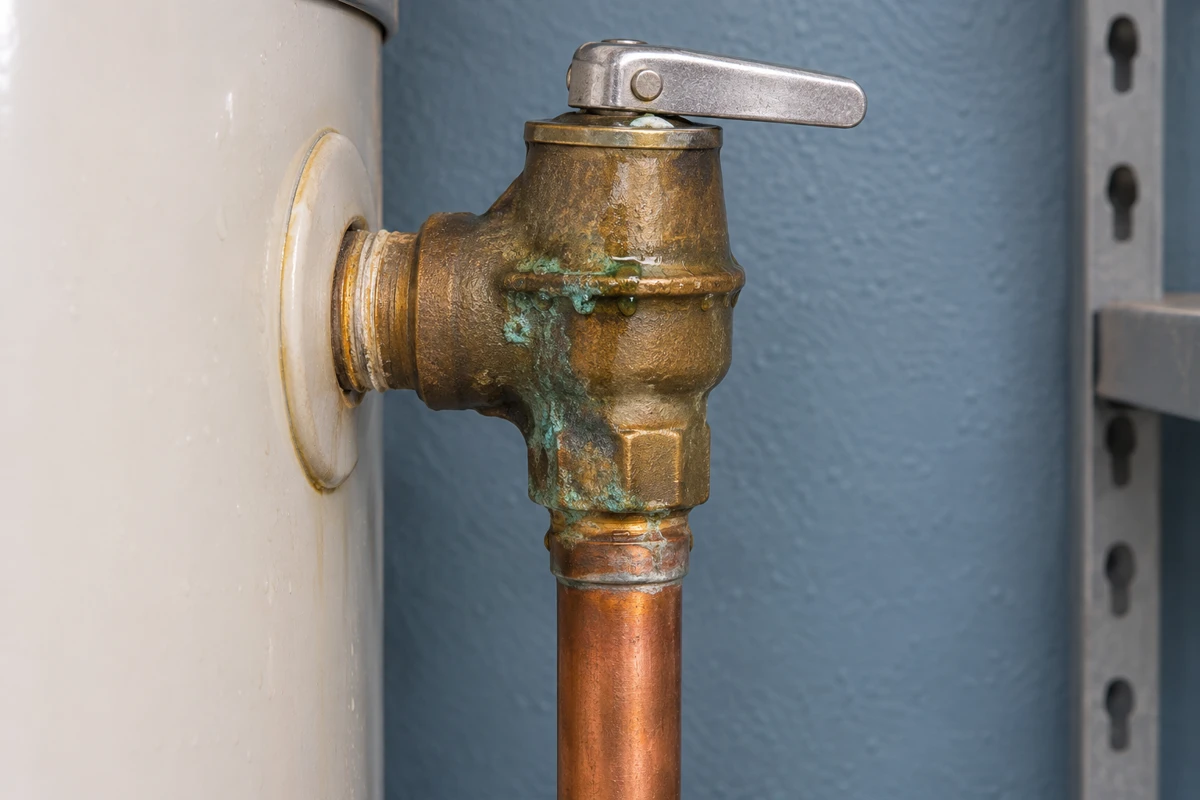
This scenario assumes inspection identifies damage to the valve itself. Surface deposits alone do not prove that diagnosis; the valve body, threaded connection and surrounding conditions need distinguishing.
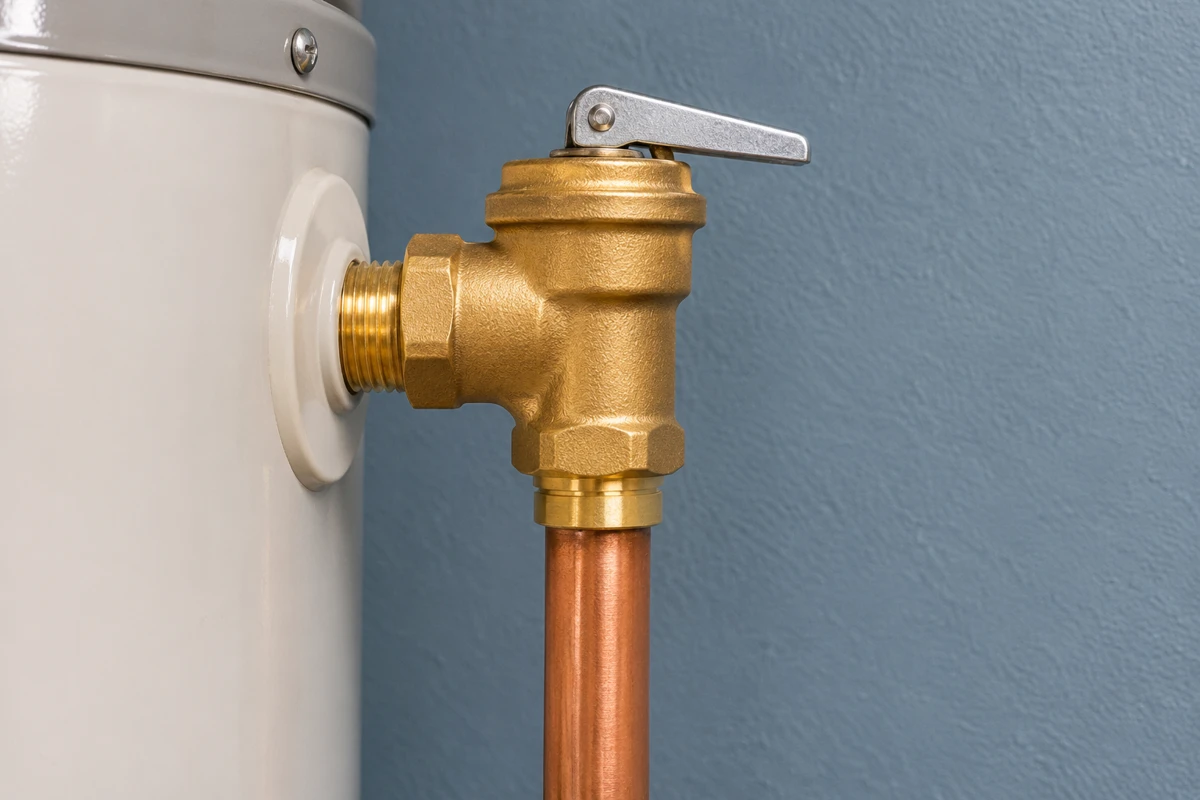
Proposed Work: The proposed work is replacement of the confirmed damaged valve, with the selected model and its installation requirements checked against the heater. Related installation or water-condition findings would be explained separately.
Completion Check: Inspect the replacement body and connections for leakage, review the discharge arrangement and document the checks completed before return to service.
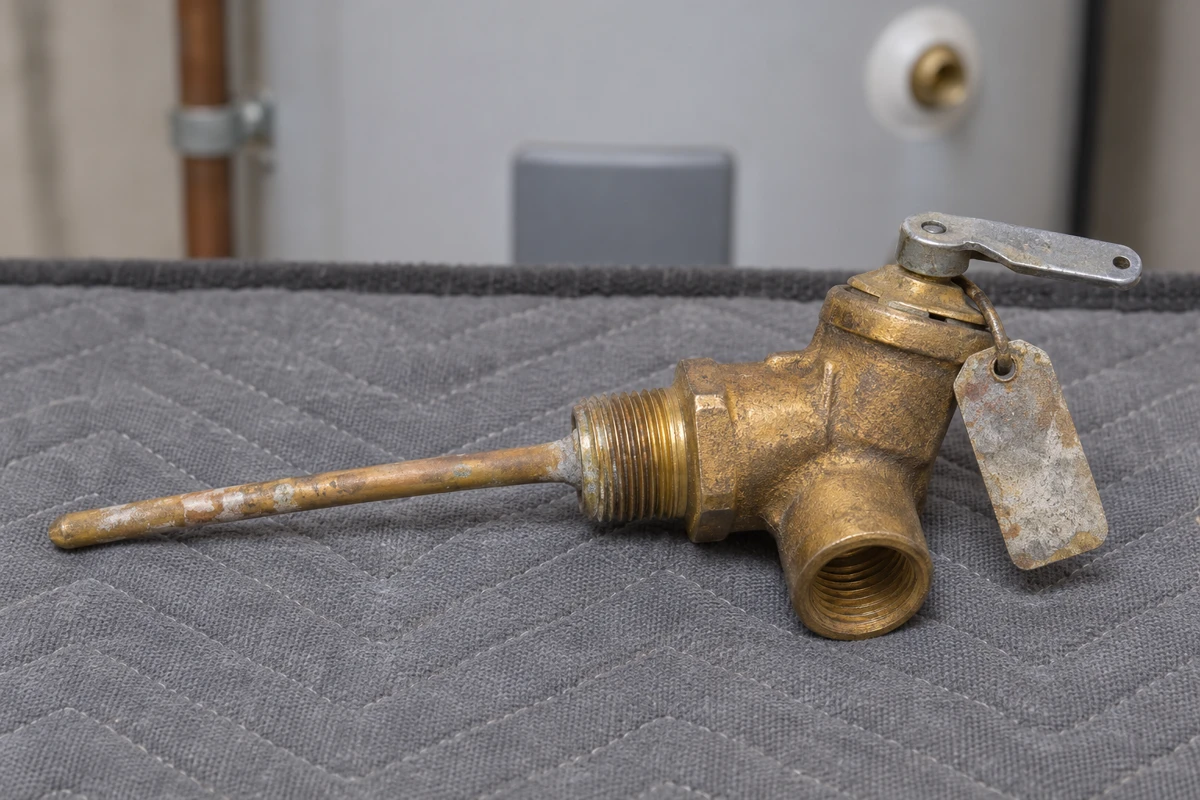
This scenario covers a valve found unsuitable for the heater after its specification and installation are reviewed. Appearance or a matching thread does not establish the required valve type, settings, capacity or sensing arrangement.
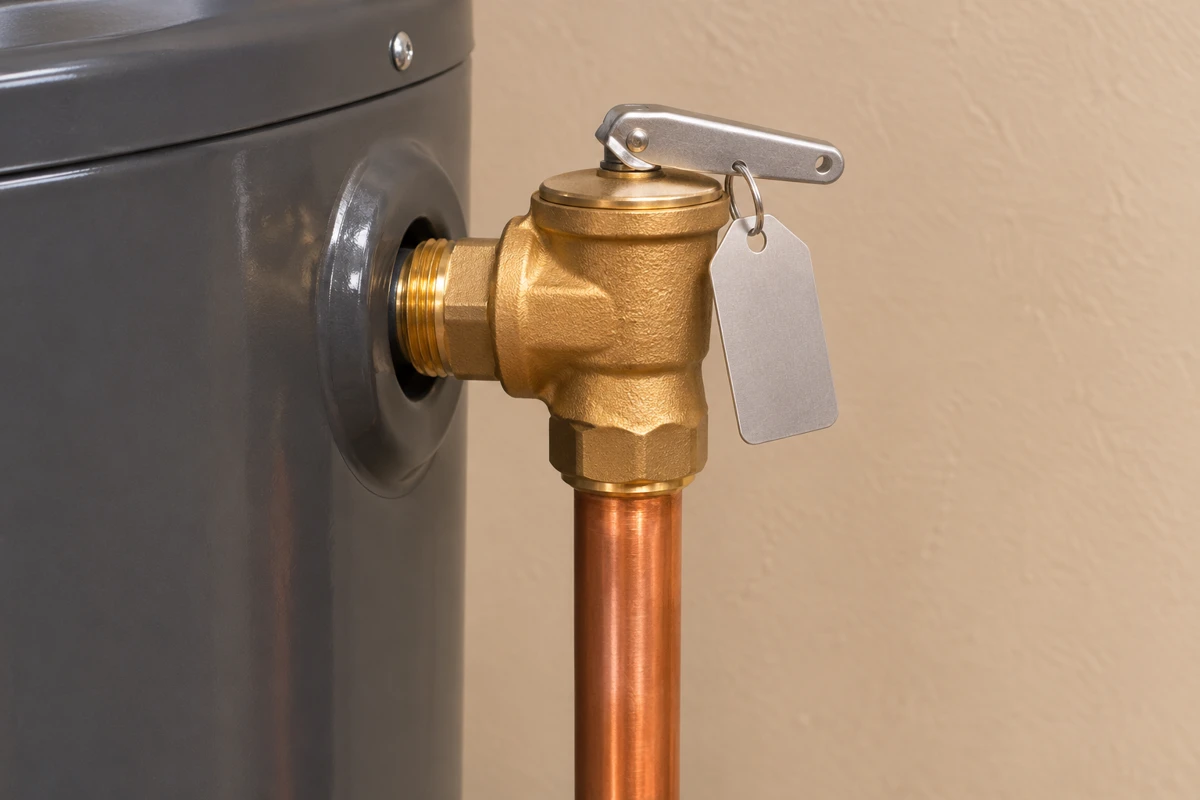
Proposed Work: A qualified provider would select the appropriate temperature-and-pressure relief valve using the heater and valve instructions, then install it with the required sensing position and discharge arrangement.
Completion Check: Record the replacement model and selection basis. Check the fitted connections, discharge path and required operating checks; compatibility is not verified by these equipment images.
Technical Basis: A. O. Smith: Relief-Valve Leak Patterns · A. O. Smith: Model-Specific Troubleshooting · Watts: Valve Inspection And Selection. The actual heater and valve instructions govern the work.
A drip at your heater? Start with where the water appears, not a guess about which part to buy.
Request A Valve AssessmentThe replacement quote should explain more than the valve itself.
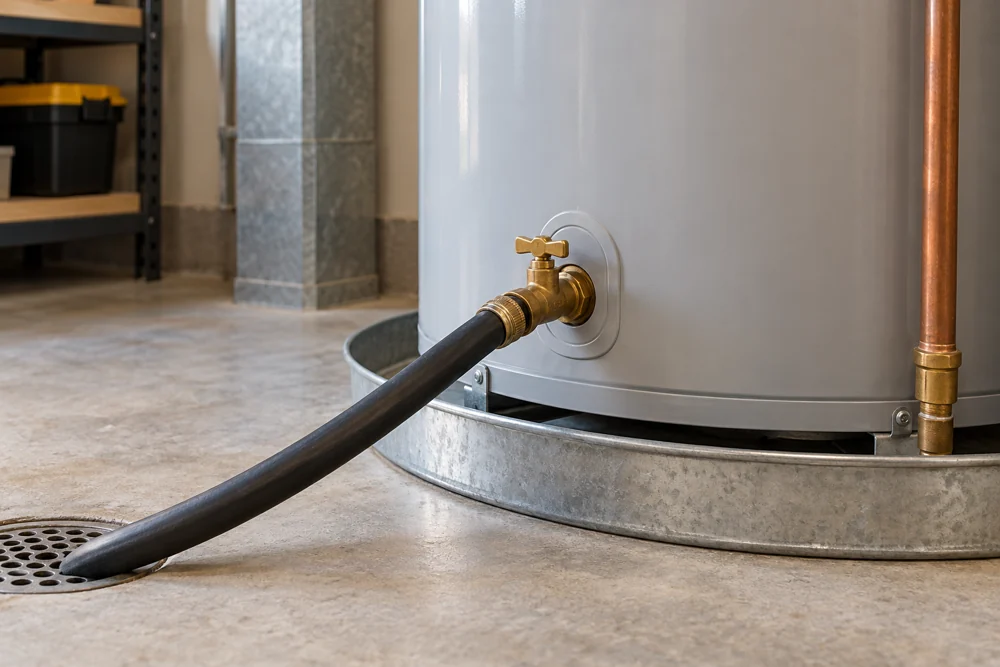
The pipe carries released water away from the valve to a suitable disposal point. It must not be capped, narrowed or fitted with a shutoff. Ask whether the existing route can remain and which corrections are included.
Give the provider a description of where the pipe ends if you can see it safely. Mention a missing pipe, visible obstruction or a route that is difficult to inspect. Do not alter it to hide the symptom.
Useful details make the first conversation clearer without asking you to diagnose or dismantle the heater.
Have your full address, the heater type and a short description of the discharge ready. The provider confirms coverage, capability and appointment availability.
Give your full street address when requesting help in these Kokomo neighborhoods. Confirm coverage and appointment availability for the property.
The visit charge, access, selected valve, required draining and discharge-pipe work can change the quote. An expansion-control correction or a separate heater fault adds a different scope. Ask for a written breakdown so you can compare the same work.
Confirm the attending company, payment terms, applicable parts and labor warranty, and charges for any return check. Ask when the estimate and appointment details will be confirmed.
Leave with an understandable repair record and a clear next step if the symptom returns.
Ask for the valve identification, the reason for replacement and any related work to appear on the invoice. Record what was checked after water service and normal operation resumed.
If the original symptom was intermittent, ask how that pattern was assessed. A dry outlet at the end of a brief visit does not by itself explain a recurring heating-cycle drip.
If water returns, describe when it started, whether it comes from the outlet or joint, and what the earlier invoice covered. Avoid adjusting or blocking the discharge while waiting.
Answers about replacement, recurring discharge, compatible parts and arranging an assessment.
No. The heater’s temperature and pressure relief valve is a safety device. A pressure-reducing valve regulates incoming pressure elsewhere in the plumbing system. Tell the provider where the part is located so the request is not based on the abbreviation PRV alone.
No. The assessment must distinguish a faulty valve from discharge caused by the operating conditions. Ask what supports the proposed repair and whether the valve, pressure, expansion control or another component needs attention.
No. Do not cap, plug or restrict a relief outlet or its discharge pipe. Keep people clear of the discharge area and request professional help. Blocking the outlet defeats the path provided for safety relief.
The heater may be recovering after the draw. Report that timing and ask whether expansion control and pressure need checking. The pattern is useful information, but it does not establish the diagnosis on its own.
Give the installer the replacement date, part details and symptom timing. Ask whether the original cause was established and whether the new valve suits the heater. Repeating replacement without understanding the finding may leave the same problem unresolved.
A joint leak and discharge through the outlet are different findings. A connection seal may need attention; damage at the tank connection can require a different decision. Ask the provider to identify the exact source before approving work.
No. A confirmed leak through the storage tank needs a heater-replacement decision. The provider should distinguish that finding from a removable valve or connection fault.
Do not choose a higher pressure rating to suppress discharge. The replacement must meet the heater’s protection requirements. Ask for the underlying cause to be addressed and the part selection to be explained.
No. Connection size is only one selection detail. Pressure and temperature ratings, relieving capacity and the temperature-sensing arrangement also matter. The heater and valve instructions determine suitability.
Do not operate it simply to diagnose this active leak. Hot water can be released. Ask the provider about assessment and the maintenance instructions for your exact equipment, including any precautions required for an operational check.
Ask whether the initial figure is a visit charge, an estimate or a fixed scope. Access, valve selection, discharge piping and the actual cause can change the work. Confirm additional charges before approval.
The technician determines the isolation and draining needed for the specific installation. Ask how long hot-water service may be interrupted and whether access or an ineffective shutoff could change the plan.
Fuel type alone does not select the valve. Have the model and rating information ready, and confirm that the attending provider handles the equipment. Tankless systems also need their own manufacturer-specific assessment.
Give the full address, heater type, current flow and where water first appears. Mention hot discharge, steam, wet electrical equipment, previous replacement work and any access or authorization issue. Keep clear of the equipment if conditions are unsafe.
Technical References · Checked 2 November 2026. Use the instructions for the actual equipment and the on-site findings when deciding the work.
A. O. Smith: Relief-Valve Leak SourcesA. O. Smith: Thermal ExpansionWatts: T&P Safety GuidanceWatts: Valve SpecificationsWatts: Capacity And ApplicationWatts: Discharge-Line GuidanceDescribe the drip, the equipment and your address. Ask about assessment, valve replacement, related checks, visit fees and availability.
Call (765) 227-1552LeakRescue Pros provides water-heater information and service requests. The attending provider confirms coverage, capability, scheduling, pricing and work terms.