Understand Why Replacement Is Proposed
Ask whether the fault is in the small tank, its connection or the system conditions. The explanation should identify what the replacement will resolve.
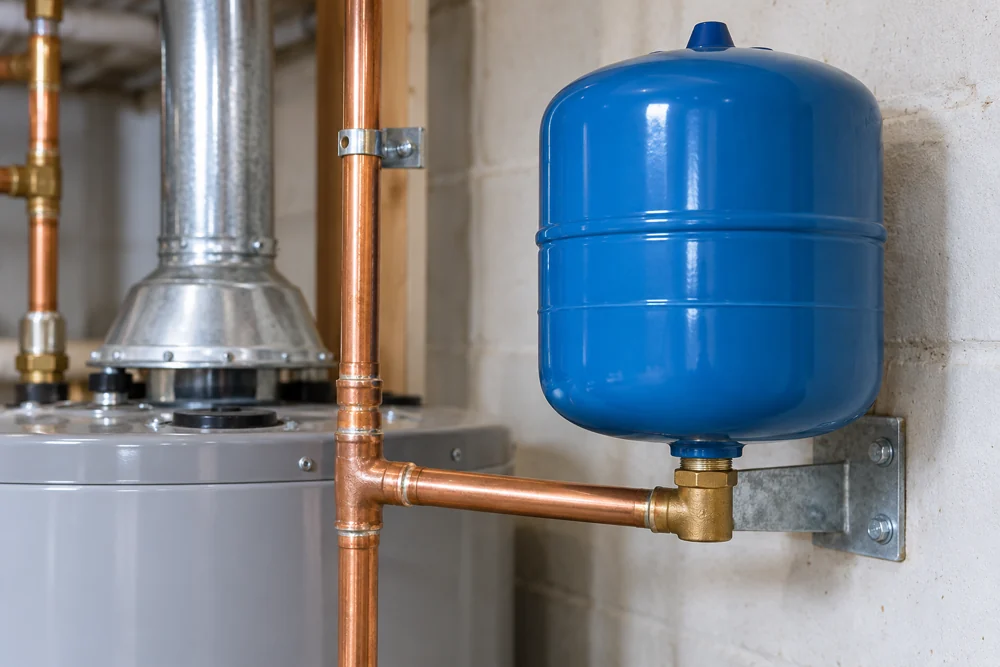
A leaking small tank or a relief pipe that drips during heating needs a closer look. Understand the expansion-control finding, replacement size and setup before approving the work.
Replacement is appropriate when assessment finds the potable-water expansion tank is leaking, damaged or no longer serviceable under its manufacturer’s instructions. A relief-valve drip can also indicate a system issue, so the small tank’s condition, supply pressure and expansion-control arrangement need distinguishing before choosing the fix.
This page covers expansion control for domestic hot water. A boiler expansion vessel or well-pressure tank has a different application. Identify the equipment when calling.
The useful outcome is a properly explained repair and a system check tied to the symptom you reported.
Ask whether the fault is in the small tank, its connection or the system conditions. The explanation should identify what the replacement will resolve.
The vessel, air precharge, connection location and mounting all belong in the plan. A matching paint color or similar-looking tank is not a sizing method.
A new expansion tank does not automatically include supply-pressure regulation, a relief-valve replacement or repairs to damaged piping. Ask for those findings and costs separately.
Keep the model and work description. Ask what was checked after the repair and whom to contact if the original heating-cycle drip returns.
Not sure whether the little tank is the problem? Describe where water appears and when the heater is running. That is enough to start the assessment request.
Discuss Expansion Tank HelpThe provider confirms equipment capability, coverage and the actual work required at your property.
These are details for the visit. None establishes the replacement decision from a photograph alone.
Say whether the tank shell is wet or the first droplets appear at a fitting. Those observations can lead to different repair decisions.
Note whether dripping follows hot-water use while the heater is warming the stored water again. The timing helps the provider plan the checks.
Report a changed position, loose bracket or piping under strain. Keep clear of the vessel rather than trying to reposition it.
Describe the affected area without scraping it or changing the air charge. A damaged pressure vessel needs professional assessment.
Have the earlier invoice and tank model available. Ask which operating condition was checked and whether sizing and setup need review.
Mention a new heater, pressure regulator, check valve or other water-supply work. This is useful history, not proof of the cause.
A relief drip, a connection leak and a damaged vessel need different findings.
| What You Notice | Assessment Focus | Useful Detail To Report |
|---|---|---|
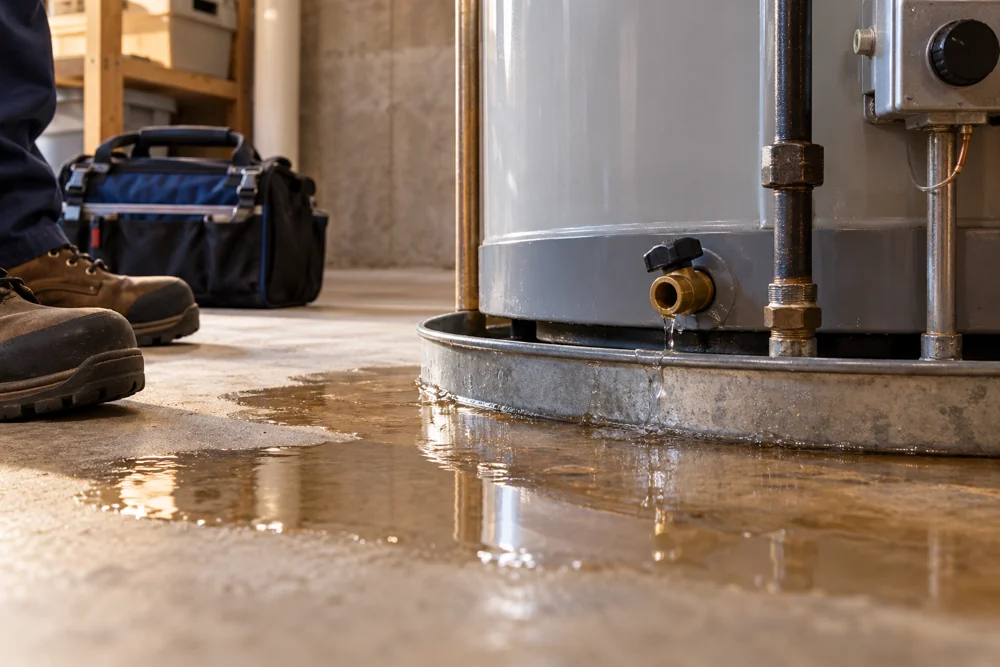
| Leak Through The Tank Shell | The vessel’s condition and suitability to remain in service. | Whether the shell or only a nearby fitting becomes wet. |
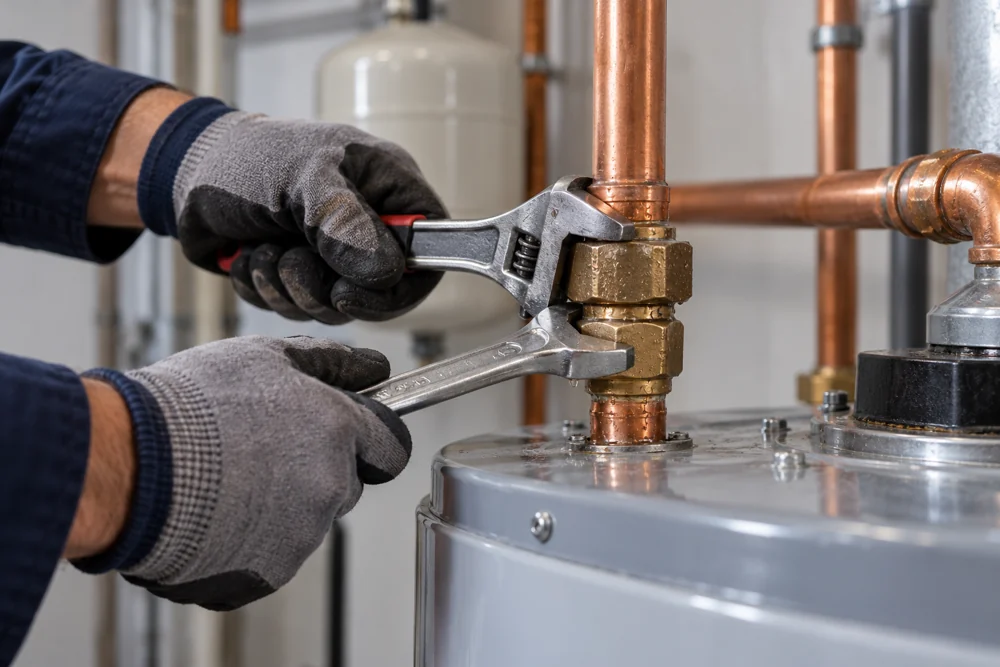
| Water At A Threaded Connection | The fitting seal, pipe condition and tank connection. | The first wet point and any recent work. |
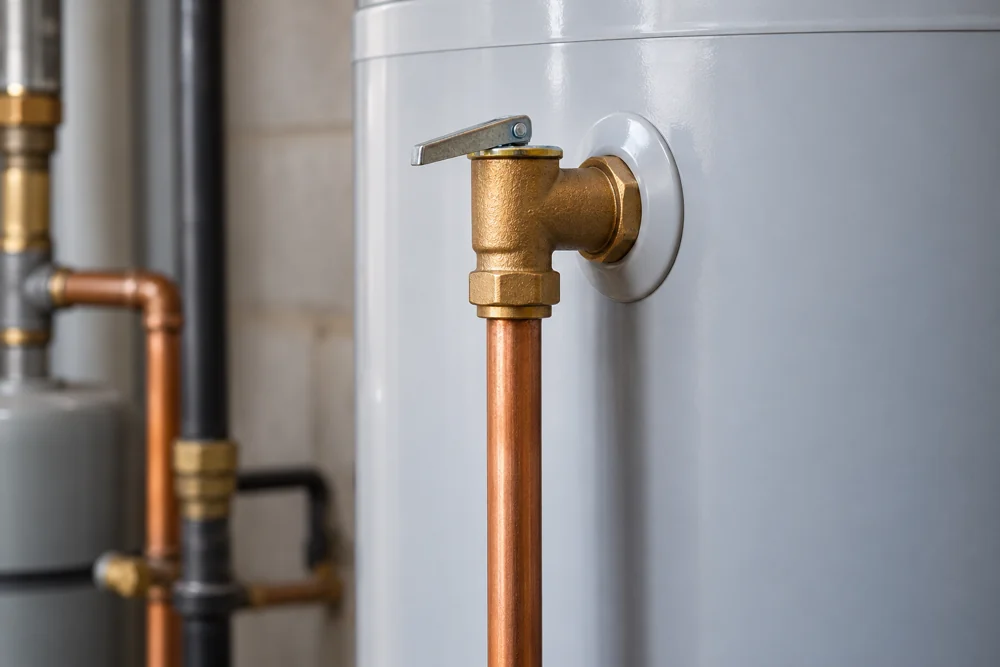
| Relief Valve Drips During Heating | Thermal expansion, pressure and the relief valve itself. | Whether it follows showers or another hot-water draw. |
| Tank Moves Or Pipework Bends | The mounting, support and stresses around the installation. | A changed position or damaged support already noticed. |
| Previous Replacement Did Not Help | The original diagnosis, vessel selection and setup. | The earlier invoice, part model and symptom pattern. |
| Pressure Has Been Reported High | Supply-pressure regulation as well as expansion control. | Any readings or findings already documented by a provider. |
For an unclear puddle, start with water heater leak detection. For the heating-cycle pattern, see A. O. Smith’s thermal-expansion bulletin.
It gives expanded water space to move into as the stored water heats.
Inside a typical diaphragm expansion tank, an air cushion compresses as water enters. In a closed plumbing system, this accommodates the extra volume that cannot move back toward the supply through a one-way device.
The temperature and pressure relief valve still has its own job. Do not rely on repeated relief discharge as the normal way to handle expansion, and do not remove a backflow or check valve to create an escape path.
Manufacturer background: Watts explains thermal expansion.
A suitable vessel needs the correct application and setup, not just a matching thread.
Selection should use the manufacturer’s sizing method with the heater volume, supply pressure and relevant temperature conditions. The old tank’s dimensions do not establish that it was correctly sized.
For adjustable models, the precharge must be set as instructed for the measured cold-water supply conditions. A factory charge is a starting specification, not a universal setting for every home.
The vessel needs to communicate with the heater’s cold-water side on the appropriate side of a backflow or other one-way device. The installed piping layout should be checked.
Use the tank model’s permitted mounting arrangement and support requirements. A fully water-filled vessel can impose loads that the surrounding piping was not intended to carry.
References: Amtrol sizing charts and Amtrol plumbing support. The installer should use the instructions for the actual replacement model.
Use these points to understand the work being proposed and the result being checked.
Describe the symptoms and recent repairs. The provider checks the accessible installation and the operating conditions indicated by the complaint.
Review the selected model, sizing basis, support and connection work. Ask whether pressure regulation or a separate relief-valve issue needs additional attention.
The technician follows the required isolation, replacement and precharge procedures. A corroded or damaged vessel should not simply be pumped up and left in service.
Ask which joints and operating conditions were checked afterward. Keep the work record and clarify any observation or follow-up still needed.
The proposal should connect each piece of work to an identified condition.
The assessment supports replacement of a leaking, damaged or otherwise unserviceable vessel. Confirm the selected tank and required installation corrections.
Request Expansion Tank Help →A heating-cycle pressure problem can lead to adding suitable expansion control. Ask how that scope differs from exchanging an existing tank.
Understand Relief Discharge →A leaking supply fitting, faulty relief valve or supply-pressure problem may need separate work. Ask what the expansion-tank replacement will and will not resolve.
Pipe And Connection Repair →A completed expansion-control case
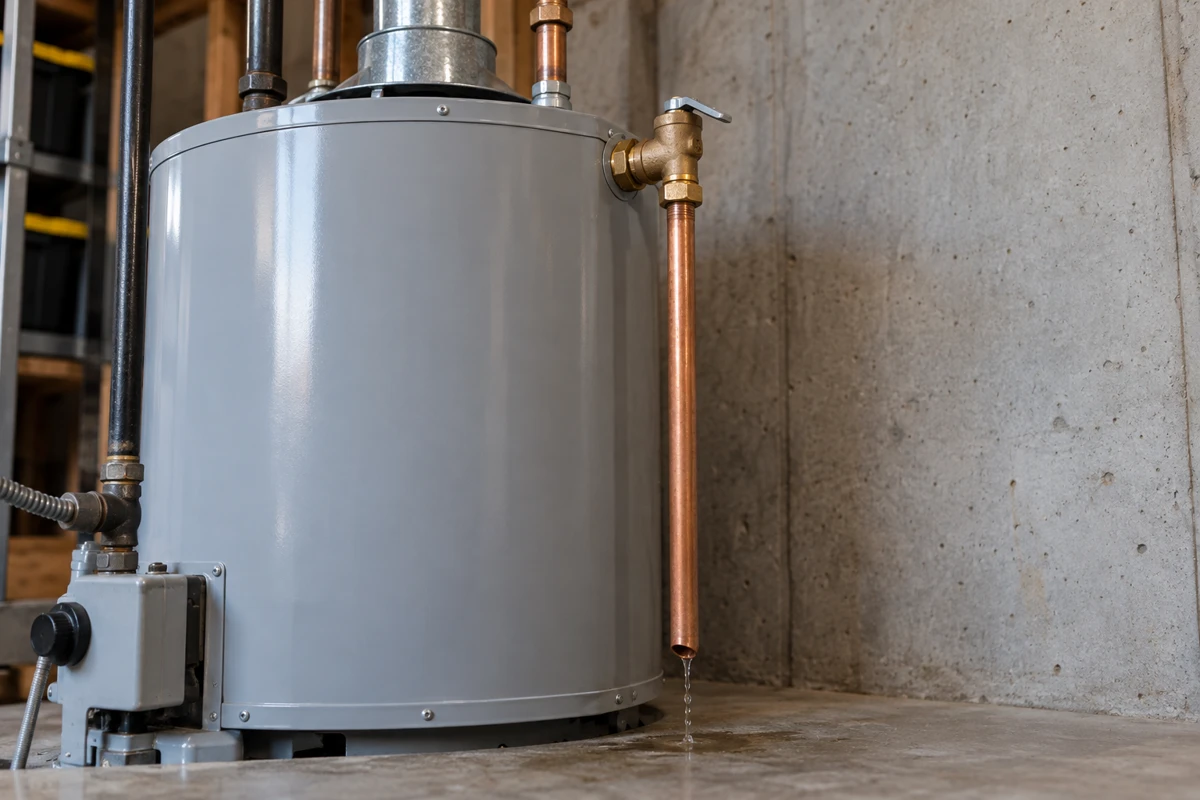
The homeowner saw water from the relief valve whenever the heater warmed up and feared the entire water heater needed replacing.
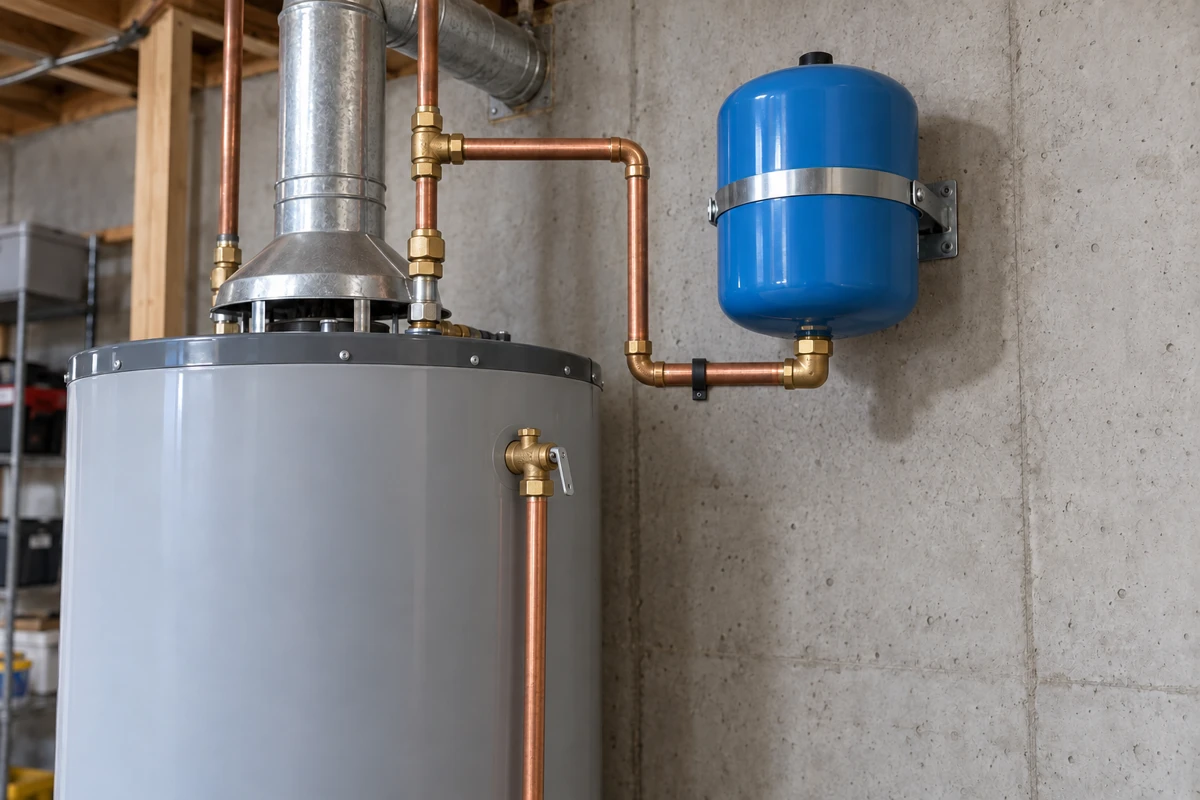
The cause was diagnosed as thermal expansion. A properly sized expansion tank was installed, the leak stopped and the existing water heater was retained.
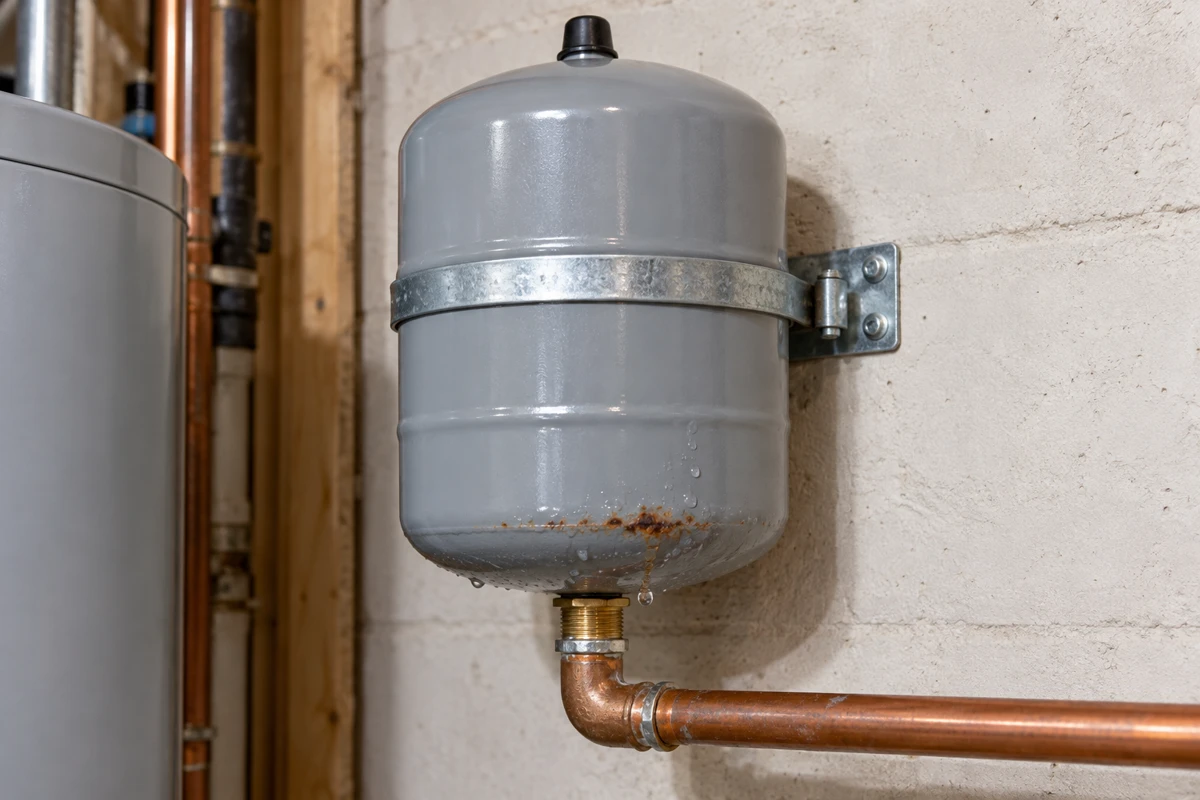
Problem: In this scenario, droplets start at a corroded seam on the small expansion tank. The leak needs tracing to distinguish a damaged vessel from a nearby connection leak.
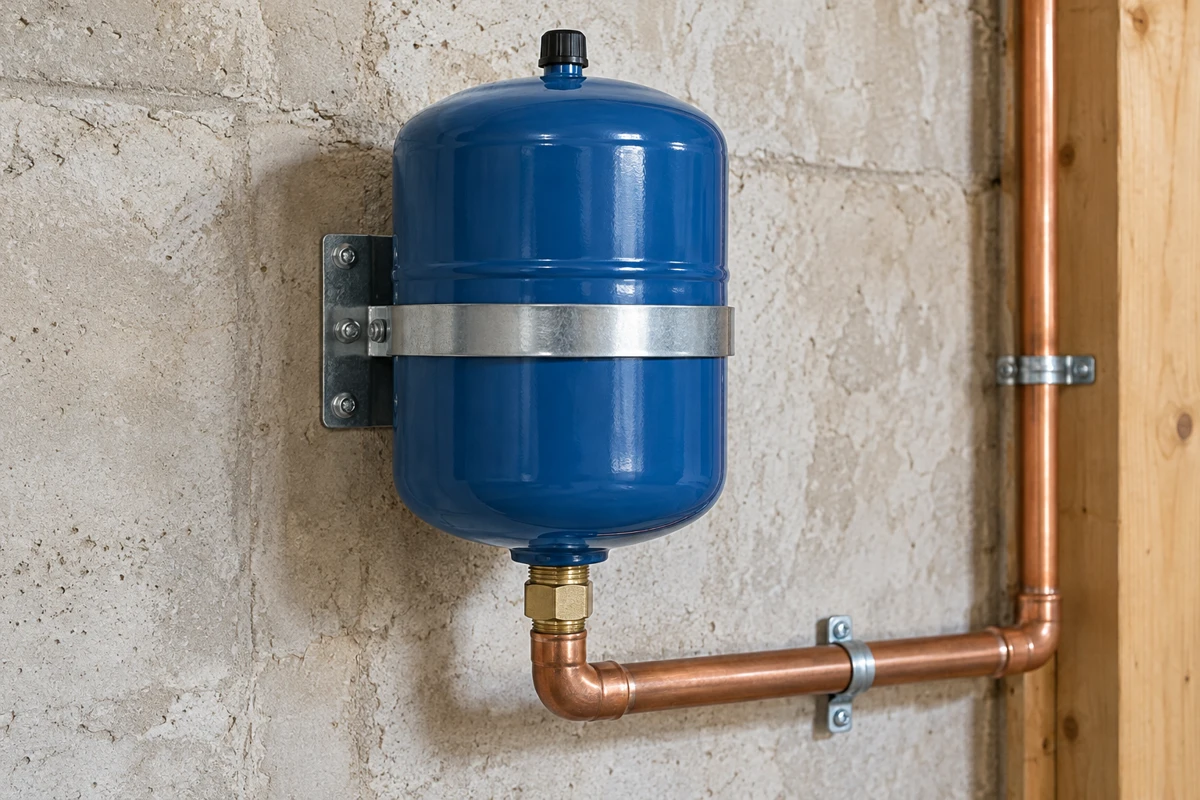
Proposed Work: If assessment confirms a failed shell, replace the damaged vessel with a potable-water expansion tank selected for the system. Set up its precharge and confirm the connection and support requirements.
Result To Verify: Check the new vessel and repaired connections for leakage, then review system operation. Record any separate pressure or relief-valve finding that remains.
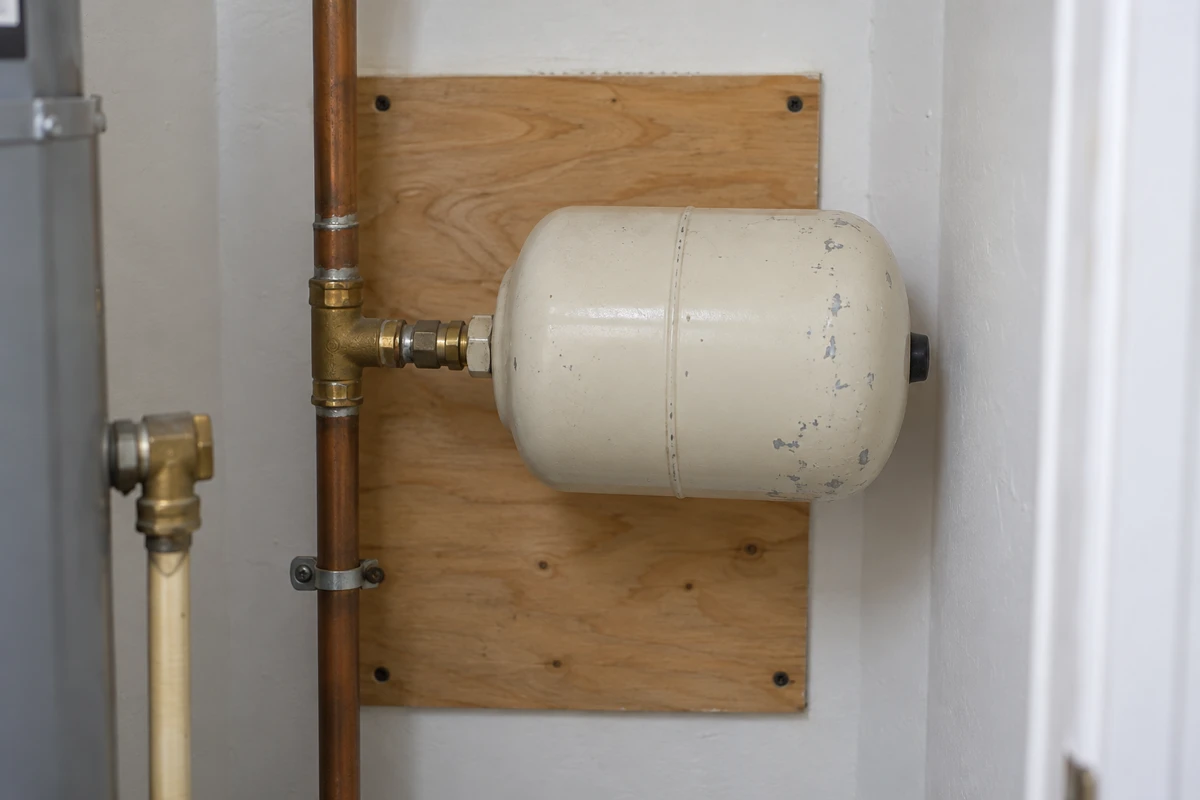
Problem: This scenario concerns an existing expansion tank that cannot maintain its required air cushion after a diaphragm fault is confirmed. Its mounting also needs review; outward appearance alone does not prove the internal failure.
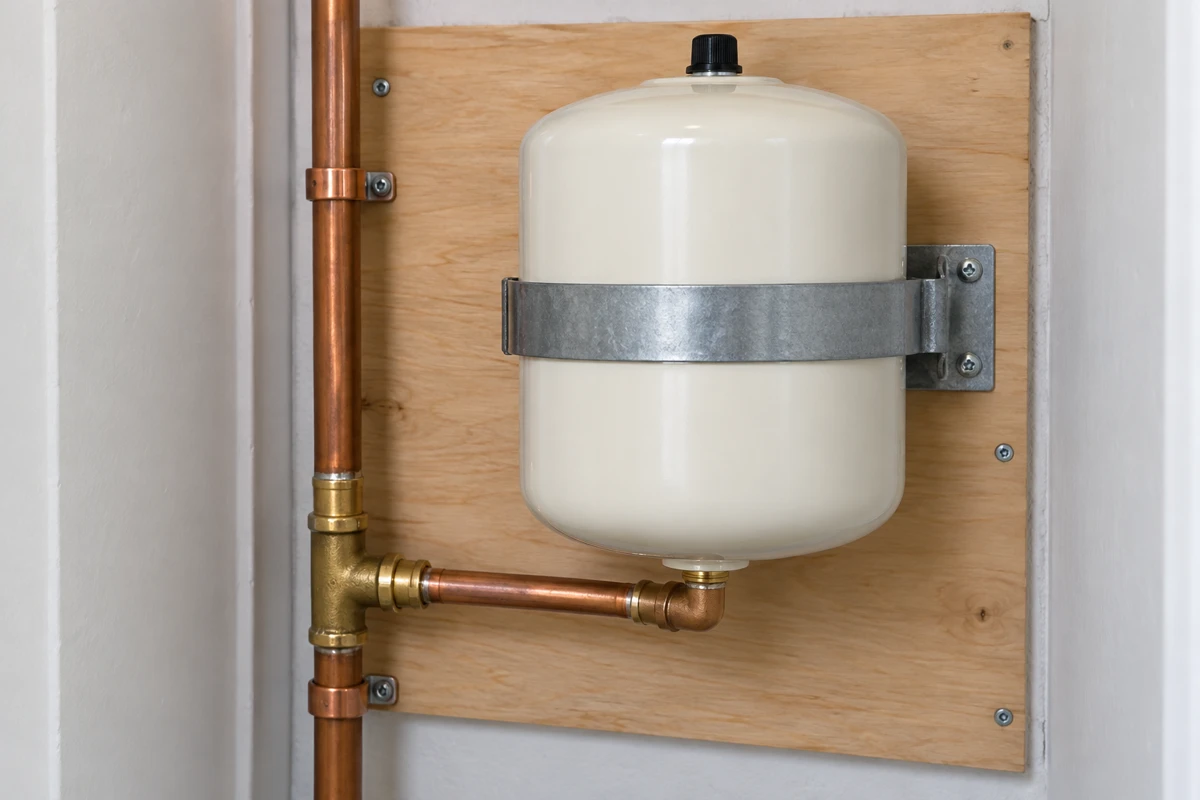
Proposed Work: Replace the failed vessel using the manufacturer’s sizing method and precharge procedure. Use a permitted orientation and provide the support required for the selected tank’s full operating weight.
Result To Verify: Assess expansion control during the relevant heating cycle and check the new joints and mounting. Confirm whether the original relief-discharge complaint has been resolved.
Recurring discharge during heating made the homeowner worry about a failed heater. The symptom needed an expansion-control diagnosis.
The new expansion tank resolved the reported drip without a complete heater replacement. That history supports assessing expansion control when the same heating-cycle pattern is reported.
Does your relief pipe drip as the heater recovers? Describe that pattern and ask for the expansion-control arrangement to be assessed.
Request An Expansion AssessmentThe answer depends on the actual condition and the manufacturer’s service instructions.
The checking conditions matter. Manufacturer procedures call for precharge assessment with the vessel isolated and empty of water, rather than treating a reading on a pressurized water system as the tank’s independent air charge.
Ask the provider to explain the measured condition, the tank’s integrity and why replacement or another permitted action is appropriate. A knock on the shell or the tank’s apparent weight should not be the only explanation you receive.
Accurate equipment and access details make the first conversation more useful.
Give the provider enough information to plan the assessment without moving the tank or disturbing its piping.
Coverage and scheduling are confirmed for the individual property in these neighborhoods.
Compare the visit charge, selected vessel, labor, setup and support work. The price may also depend on access, damaged connections or changes to the piping arrangement. A first installation has a different scope from a straightforward exchange.
Ask whether pressure-control work or a relief-valve repair is included, what the warranty covers and how extra findings are approved. The quote should identify the attending company and the work it will perform.
The visit should leave you with a repair record and a clear plan for any returning symptom.
Record the model, sizing explanation and setup information provided by the technician. Ask which connections and operating conditions were checked and whether the original discharge pattern was reproduced.
If the complaint only appeared during a heating cycle, clarify what was observed and what still needs monitoring. A dry floor at one moment is not the full history of an intermittent problem.
If water returns, note whether it starts at the new tank, a fitting or the relief outlet. Use that description and the invoice when contacting the provider.
Answers about symptoms, size, pressure, precharge, support and replacement estimates.
It may be, but identify the equipment and connection rather than relying on color or shape. This service concerns potable-water thermal expansion tanks. Boiler vessels and well-pressure tanks need different application-specific assessment.
No. The tank condition, supply pressure, expansion-control arrangement and relief valve may all need assessment. Report whether discharge follows heating and ask which finding supports the proposed work.
Yes, when the expansion vessel is the component needing replacement and the heater is suitable to retain. A separate heater fault must be evaluated on its own findings.
An expansion tank accommodates added water volume from heating. It is not a substitute for correcting an identified supply-pressure regulation problem. Ask which condition was measured and whether separate pressure-control work is required.
That decision depends on its condition and the model instructions. A corroded, damaged or compromised vessel should not simply be repressurized. The provider should explain the condition check and why the proposed action is appropriate.
For the adjustable models referenced here, manufacturer guidance calls for matching precharge to the cold supply pressure under the specified checking conditions. The installer must follow the actual product instructions rather than use an assumed setting.
No. Factory specifications vary by product, and the required setup depends on the installation. Ask what supply condition was established and how the chosen model was prepared for it.
Not automatically. Review the manufacturer’s sizing basis for the heater volume and operating conditions. The old installation may not establish the right selection for the current system.
Support and orientation must follow the selected tank’s instructions. Some arrangements require independent support for the full water-filled weight. Ask how the proposed mounting avoids placing inappropriate strain on the vessel or piping.
Do not assume tanks from different applications are interchangeable. The replacement needs to be suitable for the actual potable-water system and meet the selected product’s requirements.
No. Adding expansion control may involve selecting a new location, fittings and support. Replacing an existing vessel also requires checking whether the old arrangement is suitable. Ask for the specific scope on the quote.
Do not remove a backflow or check device as a workaround. Ask the provider to assess the expansion-control arrangement and any pressure issue. The heater’s relief outlet must also remain unobstructed.
The estimate depends on the visit, vessel, labor, setup, support and any piping or related repairs. Request a clear breakdown, identify separate work and approve changes before the scope expands.
Contact the provider with the repair record and symptom timing. Ask whether sizing, setup, supply pressure and the relief valve need further review. A repeat symptom should lead to an explained finding, rather than another assumed part swap.
Technical References · Checked 2 November 2026. These general references do not replace the instructions for the actual tank and heater or the on-site assessment.
A. O. Smith: Thermal ExpansionWatts: Expansion ControlAmtrol: Plumbing SupportAmtrol: Sizing ChartsAmtrol: Installation And InspectionCall with your address, equipment and what you have noticed. Ask about assessment, tank replacement, visit fees and availability.
Call (765) 227-1552LeakRescue Pros provides water-heater information and service requests. The attending provider confirms coverage, capability, scheduling, pricing and work terms.