Find The Source Behind The Alert
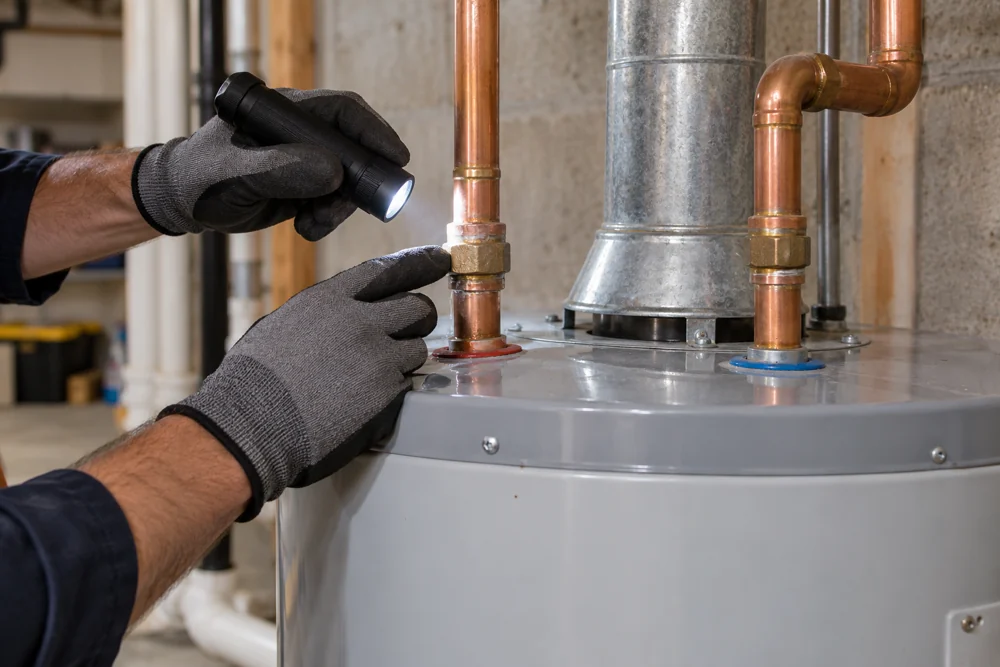
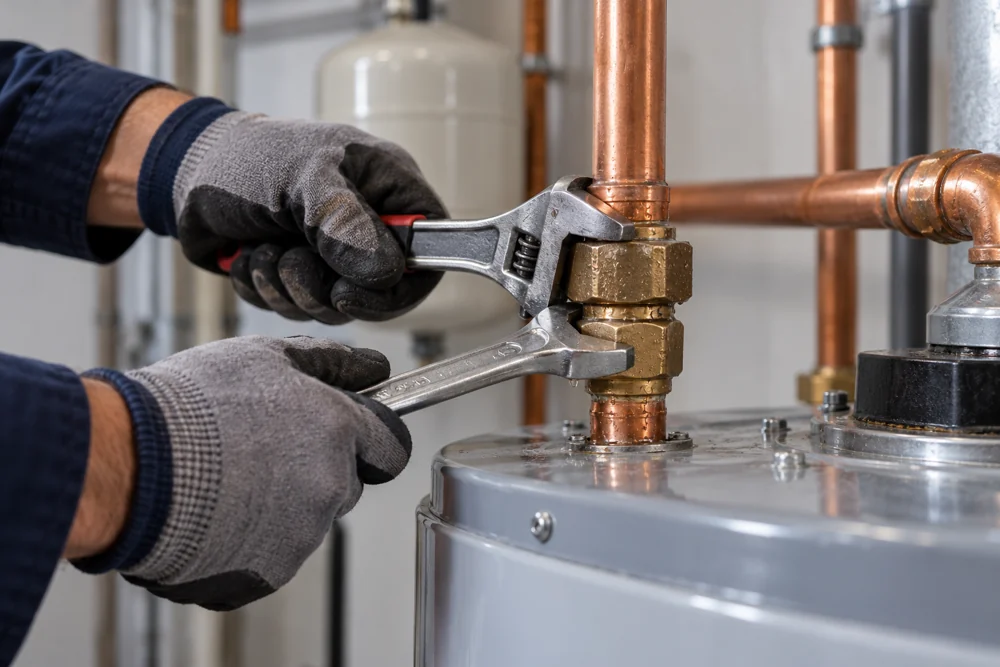
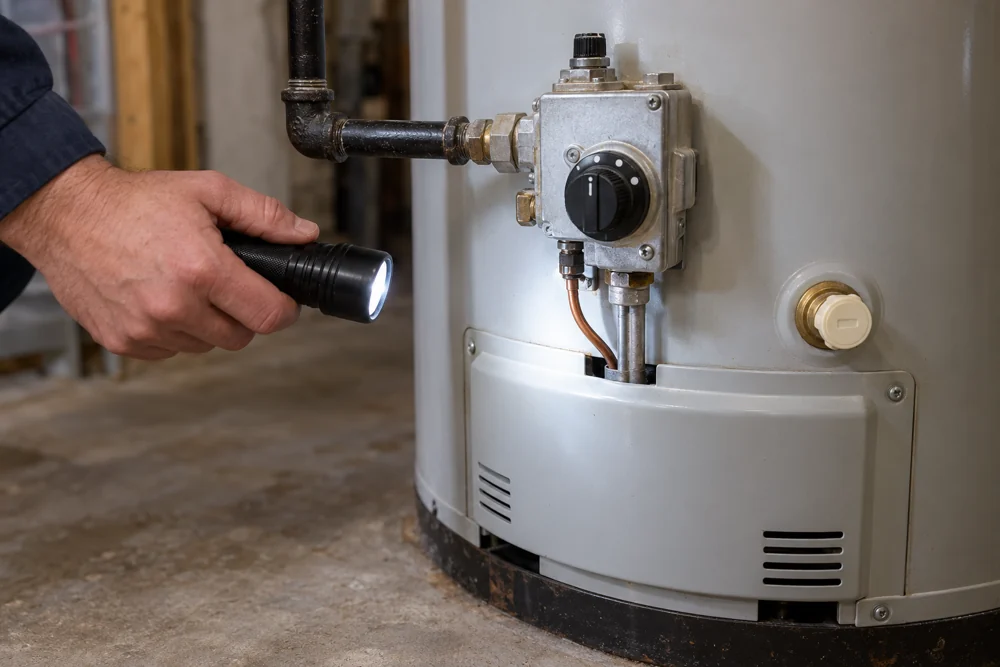
Ask which connection, valve or equipment condition explains the water. An alert alone does not name the failed part.
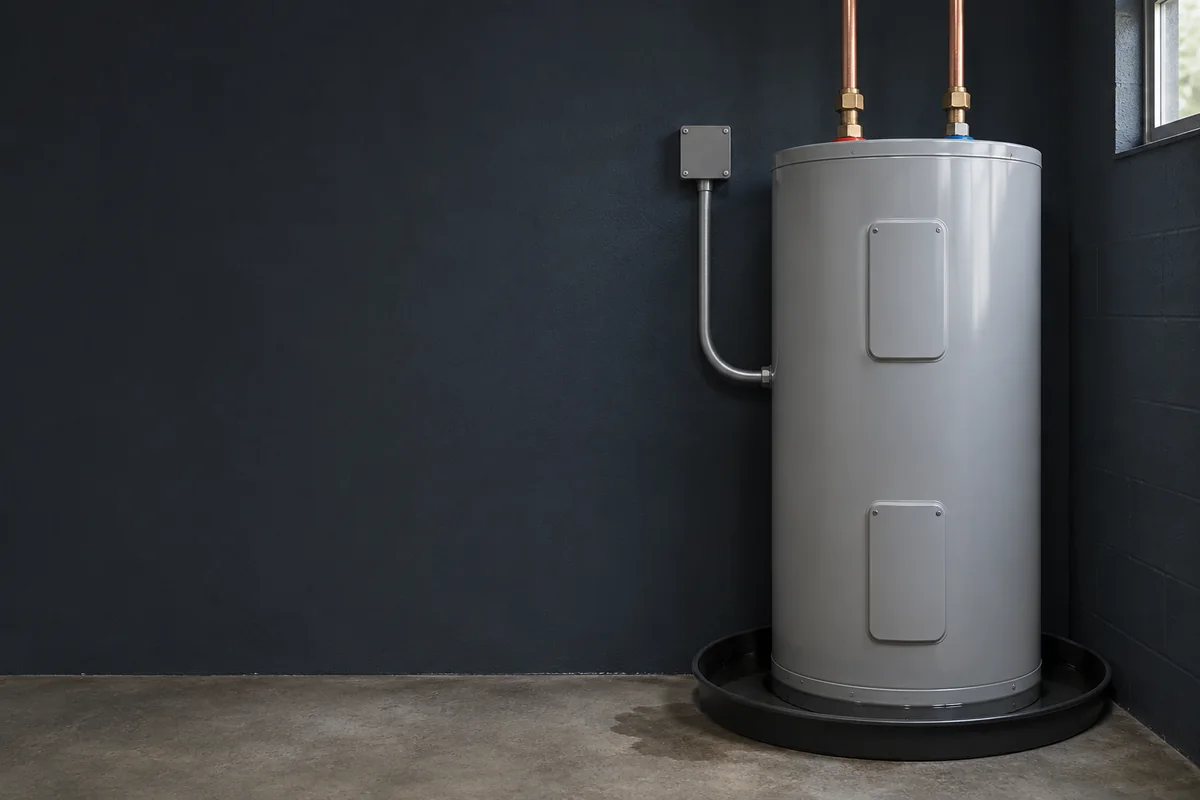
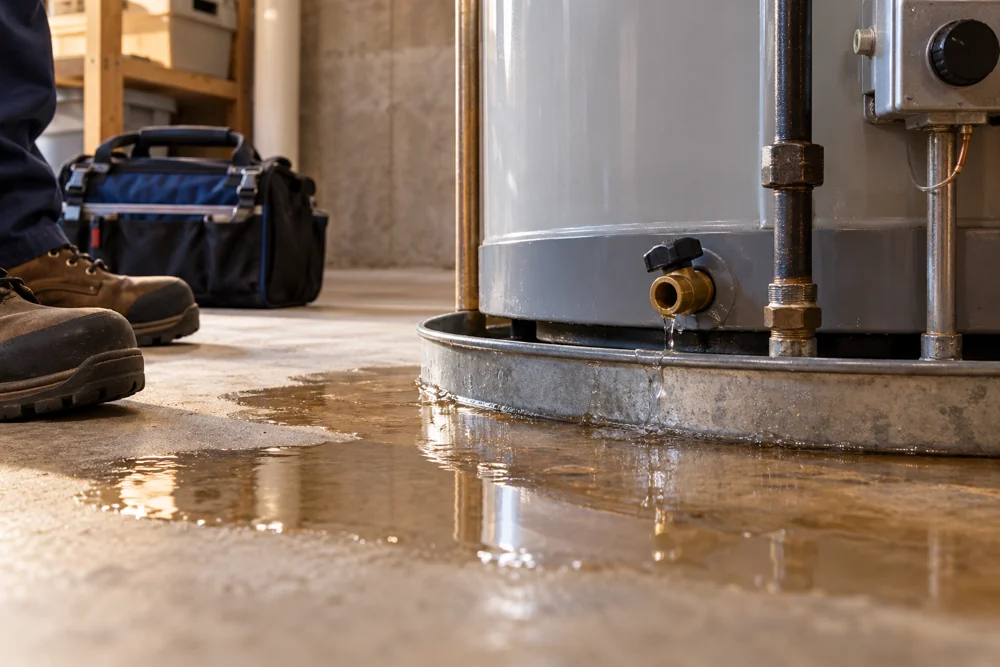
Water in the pan is a reason to ask where it came from. An alarm can flag moisture, but it cannot identify the failed part. Describe what is wet, any alert you received and whether hot-water delivery changed. Ask for a correction that addresses the actual source.
The pan does not establish that the heater is safe or identify what is leaking. Report the water and arrange assessment of its source. A pan collects water; an alarm signals moisture; some compatible systems can shut off supplies. Those functions do not repair the underlying fault.
References: A. O. Smith on pans and leak alarms, Watts on detector-shutoff equipment and CPSC emergency safety guidance.
Combine familiar street references with the property and equipment details needed for a visit.
Use the local reference to explain the area, then give the exact property and entrance.
Vinton Woods is labeled on the KHCGCC City-Line system map. The city’s published bike-route schedule refers to Webster Street through Vinton Woods to Alto Road. For a South Park Road landmark, Visit Kokomo lists Jackson Morrow Park at 4200 South Park Road.
These references help orient the conversation; they do not define a service boundary or an arrival time. Give your street number, unit and ZIP when asking the attending company to confirm coverage.
Explain which entrance leads to the equipment and whether the heater is in a cupboard, basement, garage or another room. Say whether water blocks a safe approach and who can authorize assessment and repairs.
Local references: KHCGCC neighborhood mapping, city street references and Visit Kokomo’s park directory. The park is a landmark, not a LeakRescue Pros branch.
The location, timing and safely available alert wording help describe the complaint.
| What You Notice | Useful Detail For The Call | Relevant Information |
|---|---|---|
| Water In The Drain Pan | Where it appears to enter and whether the water level or wet area is changing. | Leak Detection → |
| A Moisture Alarm Has Sounded | The device or heater model and the alert wording, if safely available. | Source Assessment → |
| A Wet Upper Connection | The highest visible wet point and any trail down the jacket. | Pipe Leak Repair → |
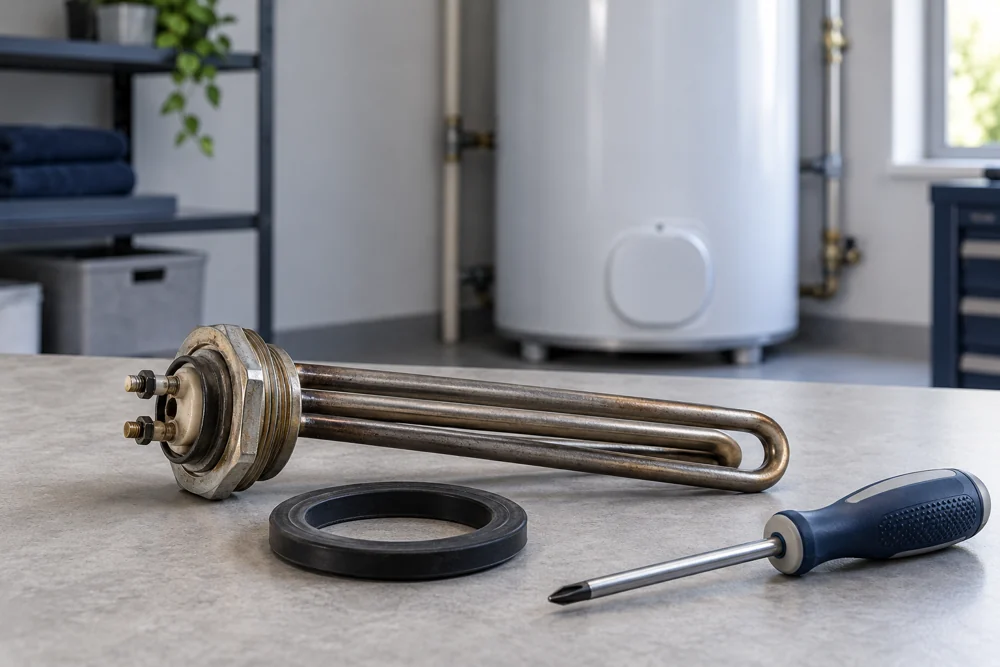
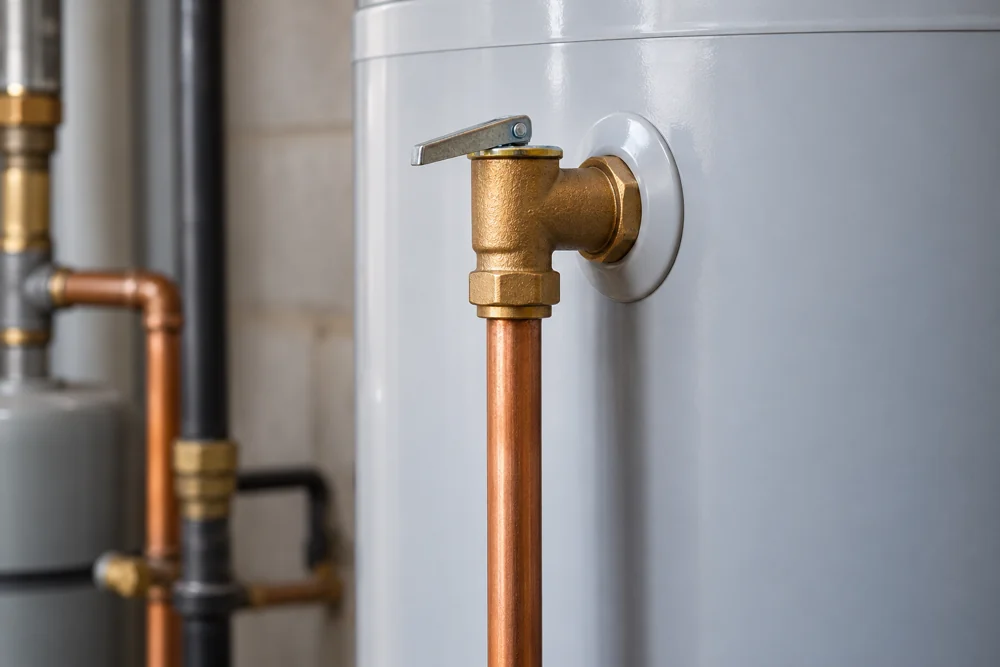
| A Relief Outlet Is Dripping | The outlet involved and whether discharge is intermittent or continuous. | Relief Valve Assessment → |
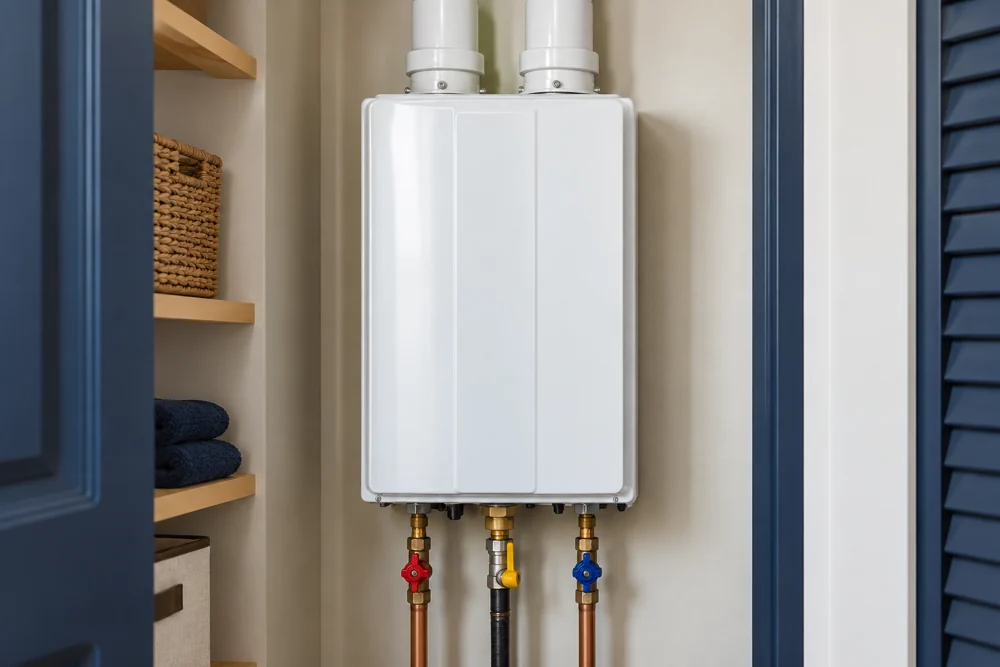
| A Tankless Unit Drips Or Stops | The visible error, location and change in hot-water delivery. | Tankless Repair → |
| Water Has Spread Outside The Pan | How far it has reached and any wet electrical equipment or blocked approach. | Emergency Leak Requests → |
A water alert reports a condition, not a remote diagnosis. The equipment, sensor location and actual water source still need assessment. Do not approach a wet electrical area to read a label.
Clear service information helps you evaluate what the proposed work will accomplish.
Ask which connection, valve or equipment condition explains the water. An alert alone does not name the failed part.
Know what corrects the current fault and what a pan, alarm or compatible shutoff system would do. Ask about device limits and suitability.
Discuss access, parts, labor, any associated changes and completion checks. Keep the total price and exclusions tied to those tasks.
Ask which work is complete and whether follow-up remains. Keep the attending company contact, invoice and applicable work terms.
Has an alert stopped but water remains? Describe both details. A quiet device does not establish that the underlying source has been corrected.
Discuss The Water And AlertTell the provider what is installed and how to reach it safely.
Share existing paperwork and safely available model details. Do not open panels, disconnect a sensor or move the heater to prepare for assessment.
The attending provider confirms coverage, equipment capability, scheduling, prices and work terms.
Give the property address, heater type, water location and any visible alert. Mention active spread and changed delivery.
Ask which company will attend, whether it handles the equipment, the appointment window and applicable diagnostic charges.
Discuss the identified source, proposed correction and any separately recommended protection equipment. Confirm the scope and price before approval.
Ask what was corrected and checked, what remains and which device instructions apply. Keep the invoice, work terms and company contact.
Separate collection, notification and automatic response from repairing the failed part.
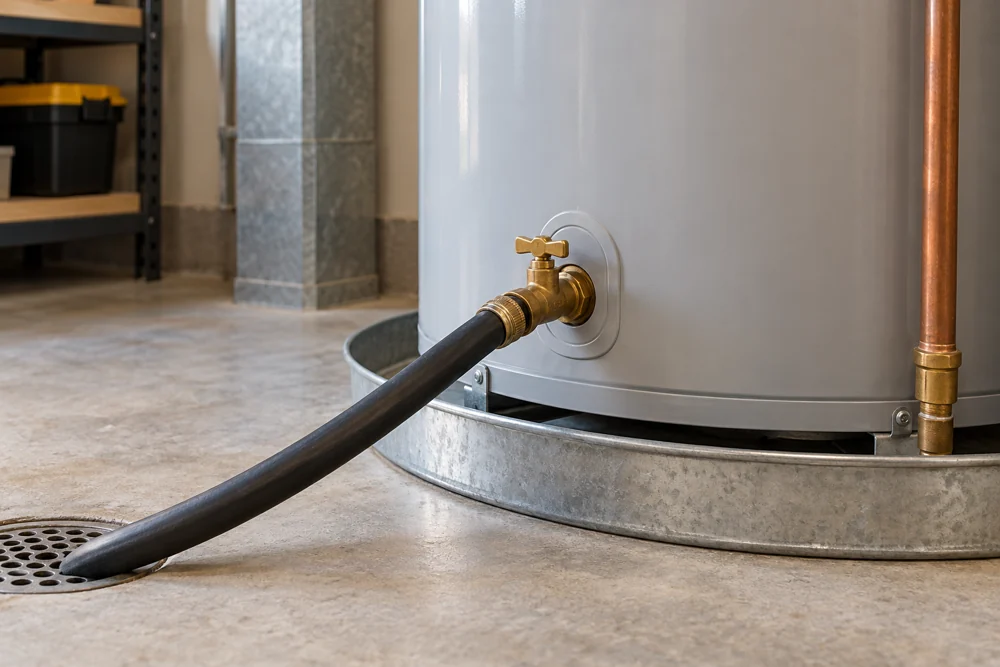
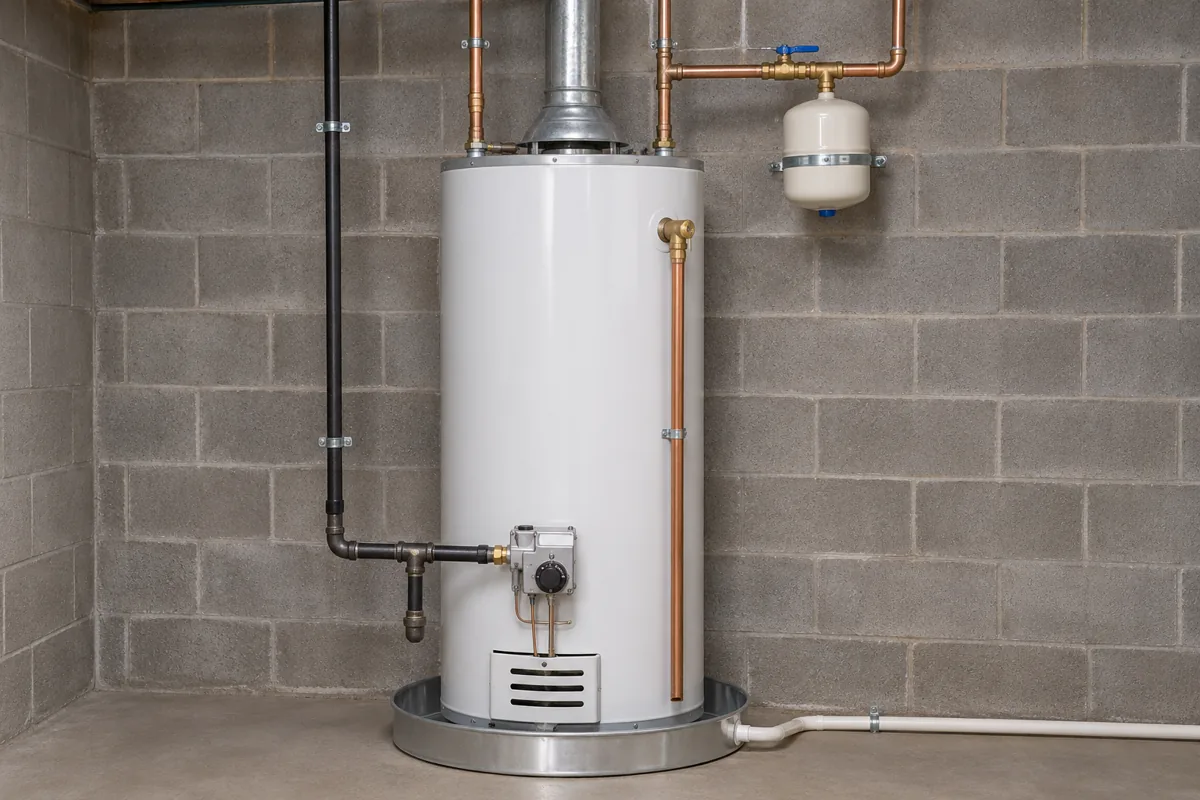
A pan is intended to collect water beneath the heater. Ask whether the existing pan and its drainage arrangement suit the installation. Its presence does not explain the leak or establish equipment safety.
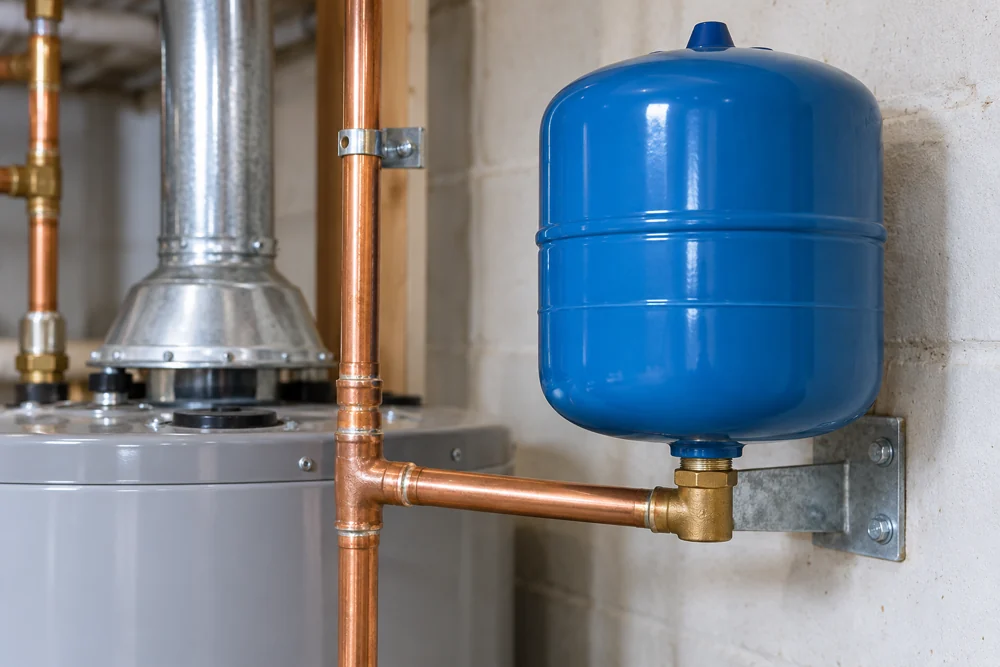
A moisture alarm can warn that water has reached its sensor. Audible alerts, remote notifications and power requirements vary by product. Ask what the actual device does rather than assuming it stops the supply.
Some compatible detector systems can interrupt water and energy supplies when water is detected. Ask about compatibility, installation, maintenance and reset instructions for the specific product. The leak still needs correction.
These are product functions to discuss with the provider, not a promise that every heater has them. References: A. O. Smith on pans and alarms and Watts on detector-shutoff equipment.
A water alert, dripping connection and failed tank are different findings.
Ask whether a targeted repair addresses the identified fault and whether the heater is suitable to retain. Clarify any related valve or pressure-control finding.
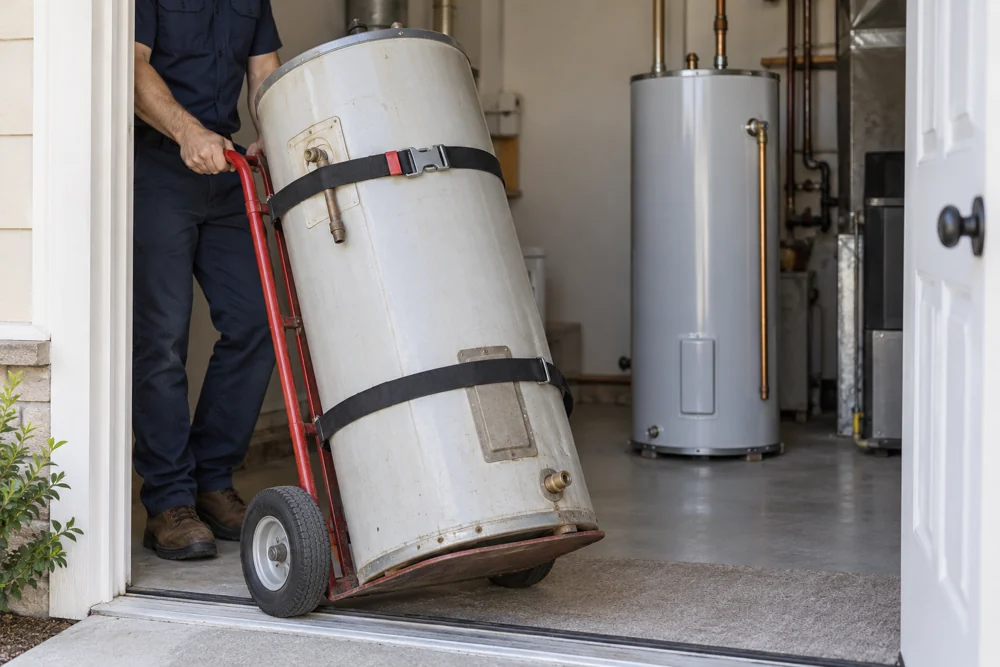
A failed leaking storage tank calls for replacement. Compare the new model, removal, disposal, connections and startup requirements in the installed scope.
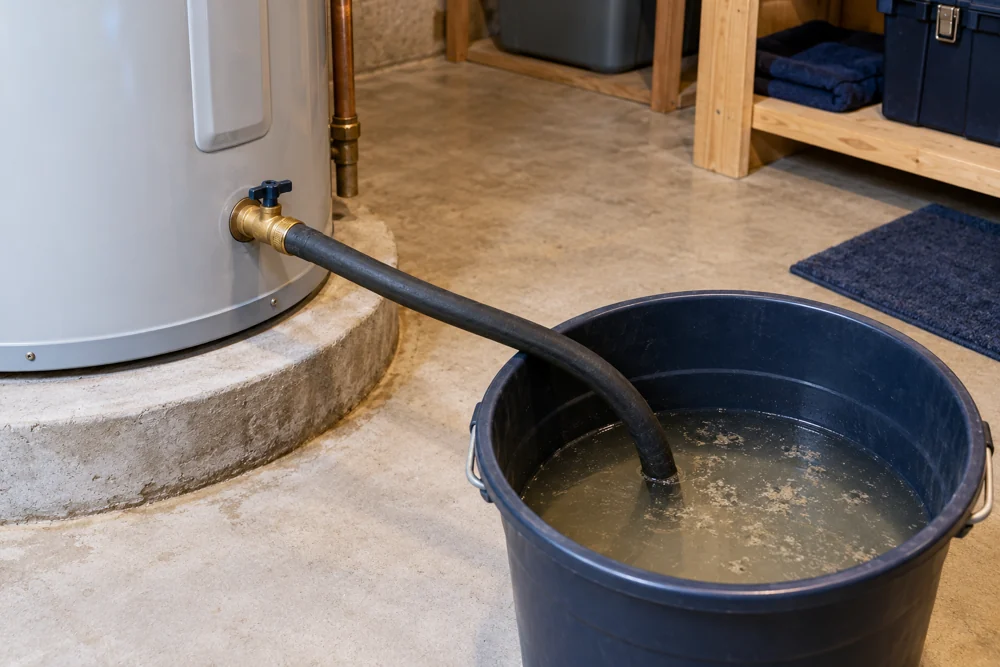
Water Heater Replacement →Flushing is maintenance and does not repair a failed storage vessel. Ask whether the equipment is suitable and how the active water source is being corrected.
Water Heater Flushing →Water in a pan can have several sources. Ask for the identified leak point before deciding on equipment. Reference: A. O. Smith’s water-around-the-heater bulletin.
Explain what you have observed at the home and when it happened.
Report any observed exposure to freezing conditions near the unit or pipes. Weather history helps describe the complaint but does not locate the source by itself.
Mention droplets spread across cold pipes as well as any distinct wet joint. Condensation and active connection leakage may need distinguishing.
Share the installation or repair date and what was changed. Have the existing work record available without assuming it explains the current water.
Tell the provider if another appliance, drain or wall is also wet. More than one source or a wider investigation may need considering.
Report actual property conditions. No neighborhood-wide pipe material, pressure, hardness or flood exposure is assumed. Manufacturer context: A. O. Smith on condensation.
Keep the current repair and any additional equipment clear in the written scope.
A clear address, equipment description and water history help define the next step.
Prepare the property, water and equipment details for the first call.
For a rental, managed property or a visit arranged for a relative, identify who can approve diagnosis and repair. Share the contact for a revised estimate before the appointment.
For replacement or changes to the installation, ask which project requirements apply and who handles any necessary approvals and inspections.
Kokomo: Department Responsibilities ↗Find the location information alongside the service that matches your equipment.
Choose another neighborhood for its local request information. The attending company confirms coverage and scheduling for the actual address.
Practical answers about pan water, alerts, source findings and arranging service.
Yes. Give the exact property address, heater type and visible complaint. The attending company confirms coverage, equipment capability, assessment charges and appointment availability.
No. Water in a pan can come from different sources. Ask the provider to establish whether it begins at a connection, valve, storage vessel or elsewhere before selecting the correction.
No. Its purpose is collection as part of a suitable installation. It does not correct the failed connection, component or tank, or establish that the heater is safe to use.
No. Some devices only alert; compatible automatic systems may also operate a shutoff. Ask what the actual model does, what it requires and which instructions apply.
Report the alert and water instead of restarting equipment to test it. Ask the provider to assess the cause and follow the specific equipment and device instructions before restoring operation.
Describe when water was last visible and any alert received. Safely available photos and earlier work records can explain the history, but the equipment still needs assessment.
Requests can be made for these heater types. Give the actual fuel, type and safely available model details so the attending company can confirm capability for the equipment and fault.
Explain the current spread and any wet electrical equipment or blocked approach when requesting urgent assessment. Keep clear of the affected area and do not enter standing water to reach controls.
Give the location and whether discharge is intermittent or continuous. Never cap or block the outlet. Ask about both valve condition and the cause of discharge.
Those references can orient the conversation; the city’s published route schedule links Webster Street and Vinton Woods to Alto Road. Give your own street number, unit, ZIP and entrance as well.
No. Continued hot-water delivery does not establish that the leak is harmless. Report visible water and its timing even if heating performance seems normal.
No. Flushing is maintenance and does not repair a failed storage vessel. A confirmed leaking tank calls for replacement; another source needs its own appropriate correction.
No fixed arrival or completion time is guaranteed here. The attending provider confirms availability, parts, capability and the work required. Mention active water spread when arranging assessment.
Ask what source was corrected, which checks were completed and whether anything remains. Keep the invoice, company contact, applicable work terms and instructions for any included device.
Local And Technical References · Local records provide geographic context. Equipment work follows the actual model instructions and applicable project requirements.
KHCGCC: Vinton Woods MappingKokomo: Webster Street And Alto Road ReferencesVisit Kokomo: Jackson Morrow ParkA. O. Smith: Water Around The HeaterA. O. Smith: Pans And Leak AlarmsWatts: Detector-Shutoff EquipmentA. O. Smith: CondensationKokomo: Department ResponsibilitiesCall with the property address, heater type, water location and any alert already visible. Ask about assessment, charges, provider availability and the next step.
Call (765) 227-1552LeakRescue Pros provides water-heater information and service requests. The attending provider confirms coverage, capability, scheduling, pricing and work terms.