The Source Explained
Ask where the water starts and what finding supports the recommendation. A wet floor should lead to more than an assumed tank replacement.
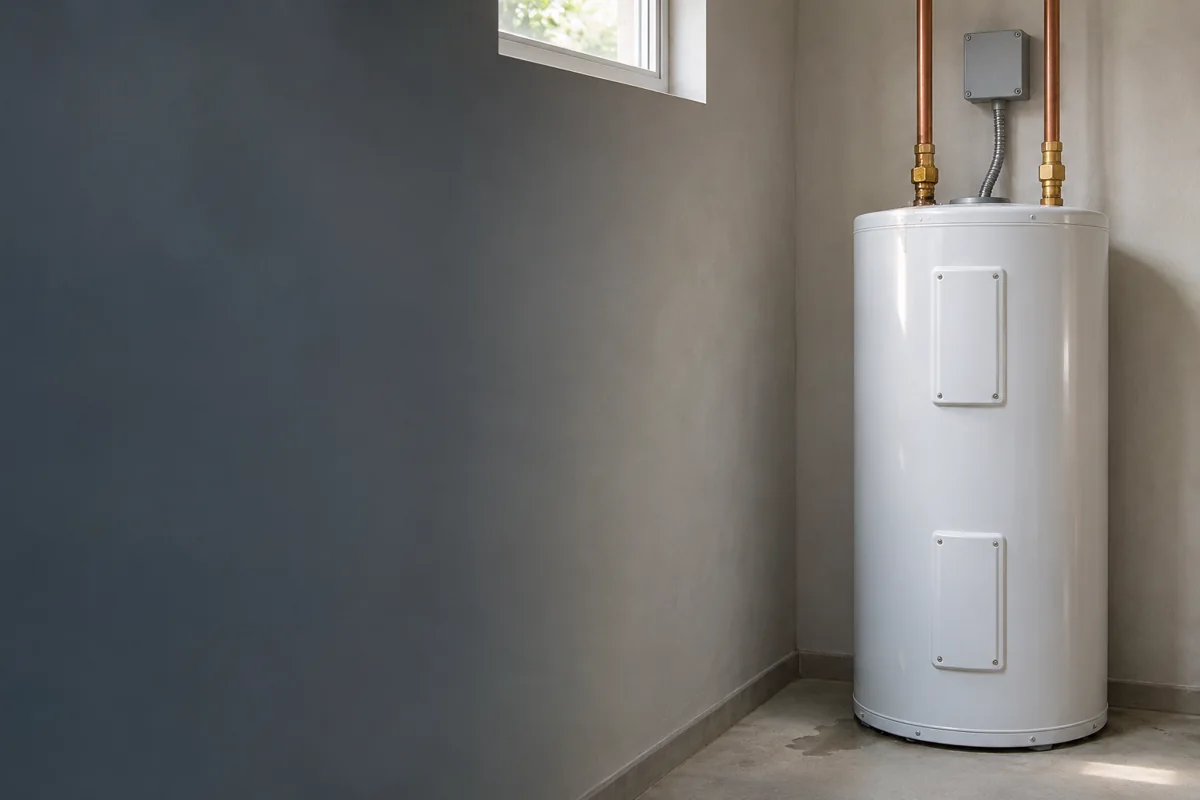
A heater can still make hot water while a connection or valve leaks. Explain where the water appears and when it returns. Request a source assessment and a clear repair proposal before deciding the whole heater is finished.
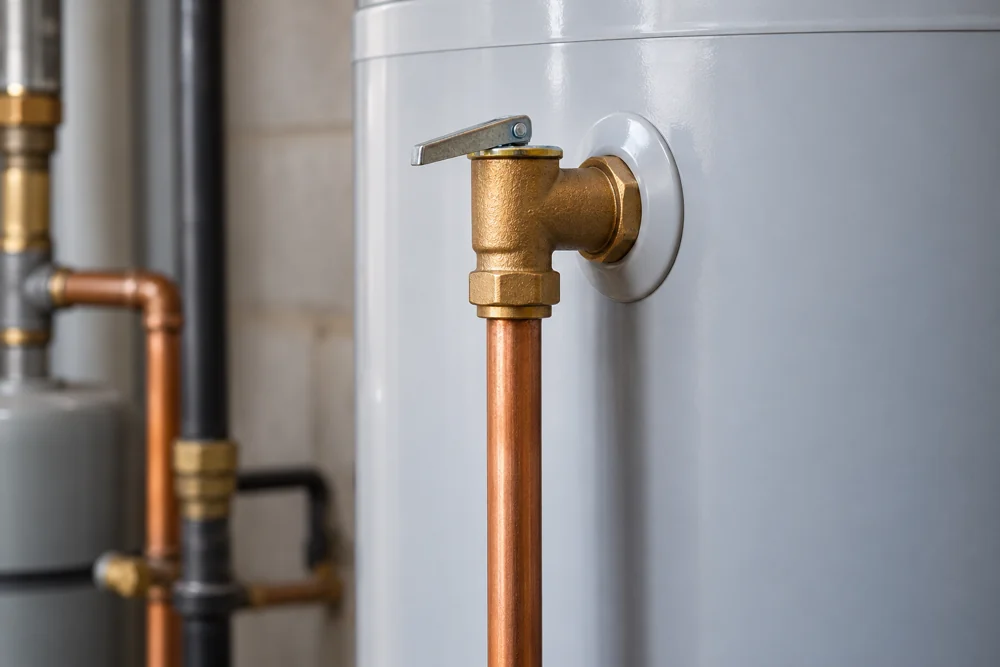
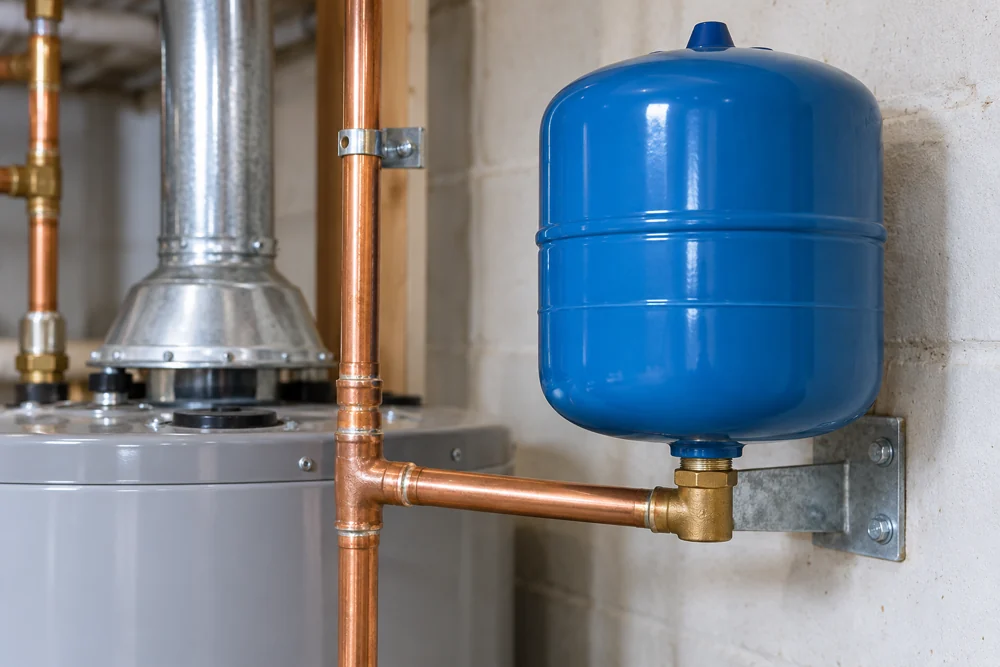
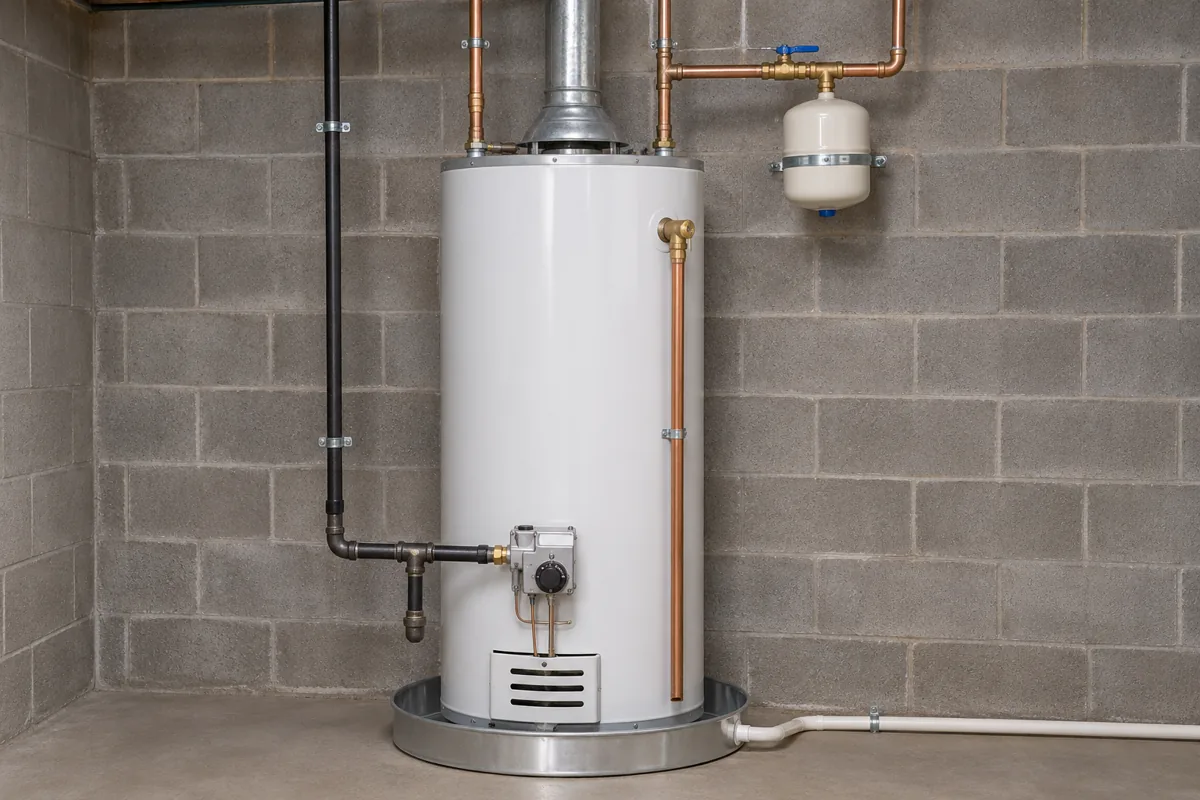
Some discharge complaints appear during a heating cycle because system pressure can change as water heats. That pattern does not prove the valve itself has failed. Ask for the discharge source and relevant pressure or expansion conditions to be assessed. Never cap or block a temperature-and-pressure relief outlet.
Only report patterns you have already observed safely. Do not run the heater or operate a hot valve to reproduce a drip. Reference: A. O. Smith’s thermal-expansion bulletin.
Use neighborhood landmarks alongside clear address, access and equipment information.
North Apperson Way and Bon Air Park can help explain the area. Your exact service address still comes first.
Bon Air Middle School publishes its address as 2796 North Apperson Way, Kokomo, IN 46901. The city’s 2026 Parks & Recreation guide lists Bon Air Dog Park at 2500 North Purdum Street.
When requesting help nearby, give the street number, unit and entrance to use. Explain whether the heater is reached through the main home, a side door or another access route.
Share the actual equipment and room conditions. A neighborhood name does not establish the heater’s fuel, age, pipe material or the source of a leak.
Local references: Bon Air Middle School’s published address and Kokomo Parks & Recreation’s 2026 guide.
Describe the water and delivery symptoms without guessing at a failed part.
| What You Have Seen | Useful Information | Relevant Service |
|---|---|---|
| Water At A Supply Fitting | Which connection looks wet and whether water trails down the heater. | Pipe Leak Repair → |
| Relief Discharge During Heating | Whether discharge is intermittent or continuous, without operating the valve. | Relief Valve Assessment → |
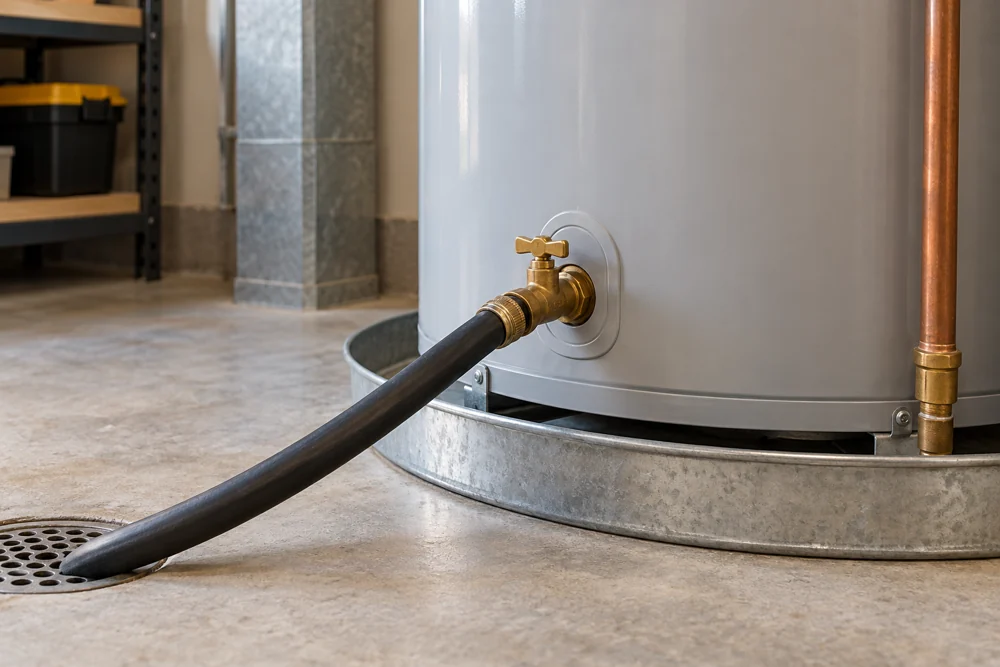
| A Wet Drain Outlet | The valve area and any returning water around its connection. | Drain Valve Service → |
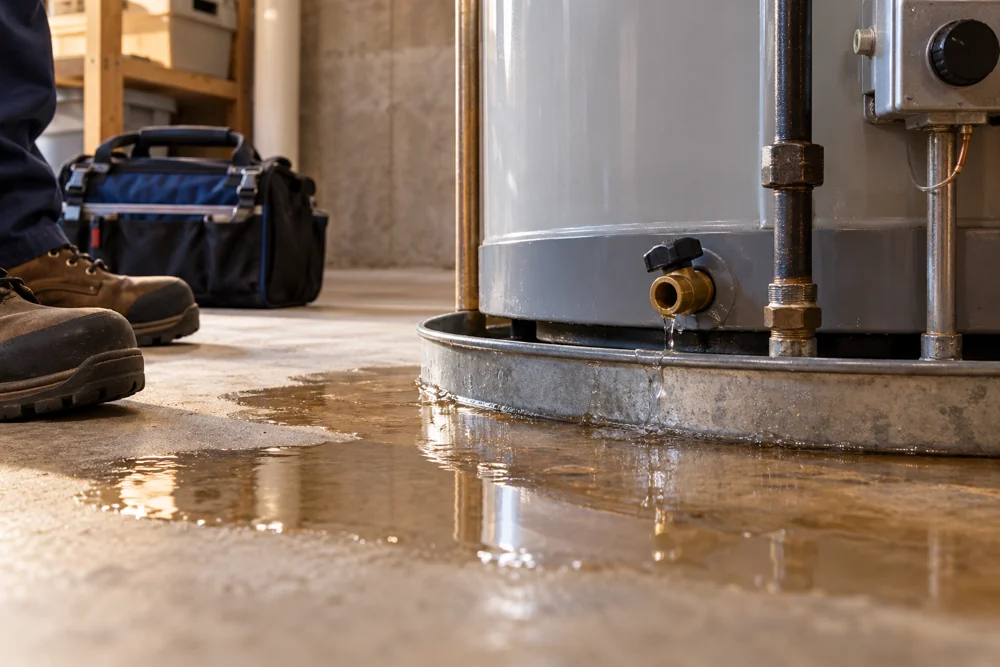
| Water Collecting At The Base | Whether water is also visible higher up and whether the floor is getting wetter. | Leak Detection → |
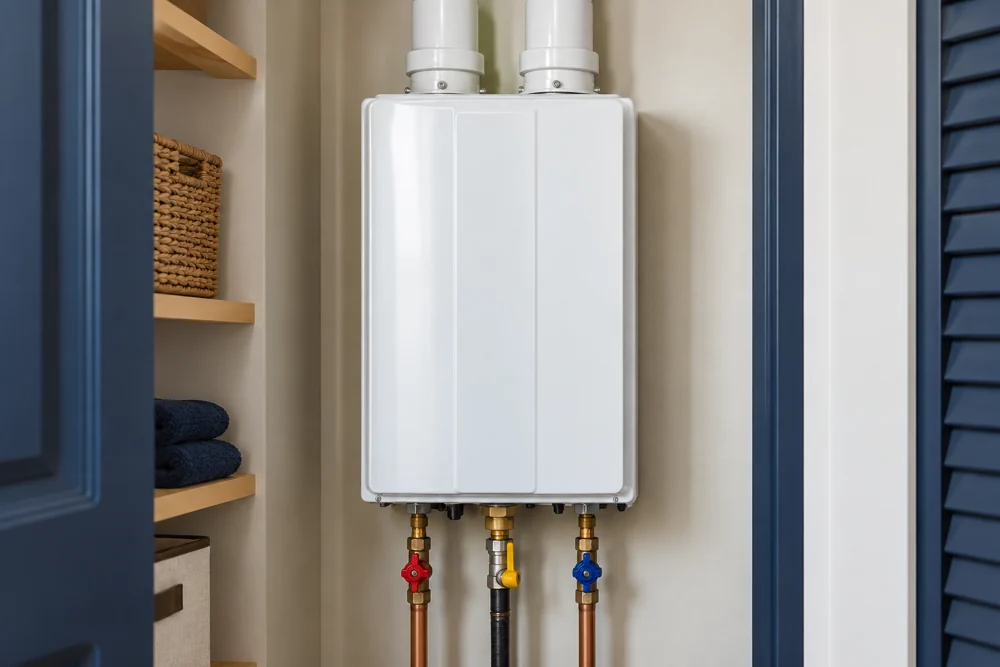
| A Tankless Drip Or Error | The wet area, visible code and whether delivery stops or changes. | Tankless Repair → |
| Rapid Water Spread | Where the water is reaching and whether the approach to the heater is unsafe. | Emergency Leak Requests → |
The pattern helps describe the complaint; the source still needs confirmation. Reference: A. O. Smith’s guide to leak locations.
A clear explanation makes the repair proposal and next decision easier to assess.
Ask where the water starts and what finding supports the recommendation. A wet floor should lead to more than an assumed tank replacement.
Confirm parts, labor, assessment and related corrections. Agree on any additional finding before the scope changes.
Mention the room, entrance and working-space limits. Ask what equipment movement or access work the estimate includes.
Keep the invoice, work details and attending company contact. Ask which checks were completed and what follow-up terms apply.
Been told the valve needs changing again? Explain the earlier work and ask what was found to be causing the returning discharge.
Discuss The Returning DripDescribe the room and route, not just “around the back.”
Only clear belongings where it is safe. Leave moving the heater, opening equipment and dealing with a wet electrical area to the appropriate assessment.
The attending provider confirms scheduling, capability, pricing and work terms for the property.
Give the exact address, heater type and symptoms. Mention a recurring drip, earlier work or active water spread.
Ask about coverage, equipment capability, assessment charges, the attending company and the available window.
Discuss the source, proposed correction and exclusions. Agree on access work and how additional findings will be approved.
Ask which checks were completed and whether any work remains. Keep the attending company’s contact and relevant terms.
The recommendation should explain what failed and how the proposed work responds.
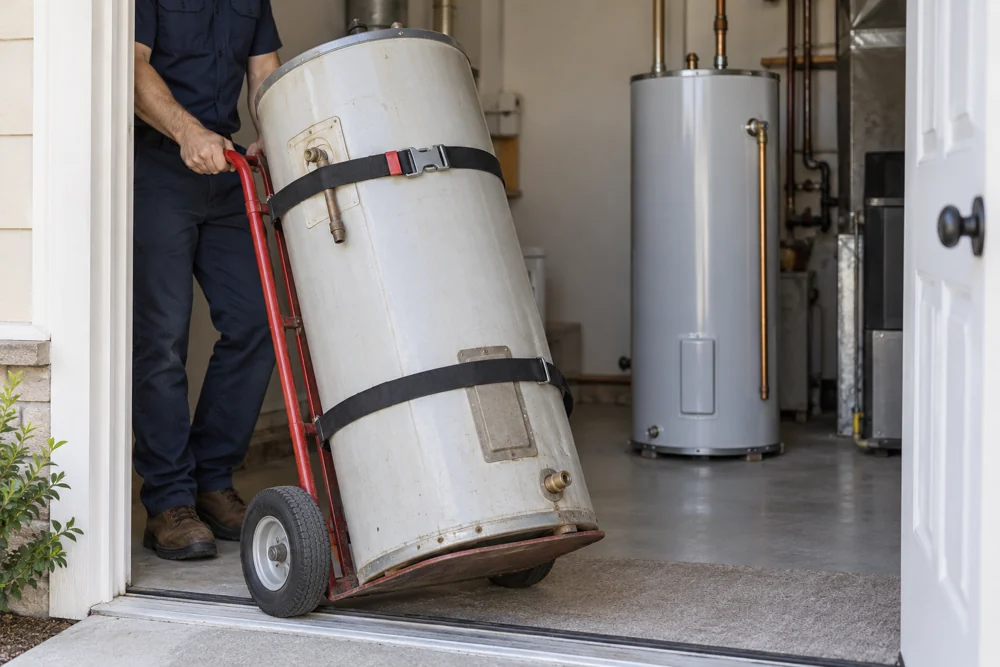
If the heater is suitable to retain, ask whether a defined component repair addresses the finding.
Discharge can involve pressure or expansion conditions. Ask which findings support the proposed correction.
Expansion-Control Assessment →A failed storage vessel generally calls for new equipment. Compare sizing, removal, connections and startup together.
Water Heater Replacement →References: A. O. Smith on repair and replacement and relief-valve discharge patterns.
The earlier invoice and a clear symptom description help explain what has changed.
Ask the company to identify the leaking connection, component or tank. If more than one issue is involved, have each finding explained.
For a returning valve-discharge complaint, ask whether relevant pressure and expansion conditions were assessed rather than assuming a new valve is the whole solution.
Ask which appropriate leak and operating checks are included, whether any follow-up remains and who handles a returning problem.
Report what is true of your home rather than assuming all Bon Air installations are alike.
Mention equipment or pipework in a space exposed to freezing conditions. The timing of a leak is useful information, not proof of the cause.
Describe water after rain or another appliance operates if you have noticed it. Nearby moisture may need a separate finding.
Ask how the model fits the electrical or gas supply, service space, venting and drainage. Heat-pump equipment also needs suitable room conditions.
Do not restart affected equipment. Request assessment by a qualified professional or utility representative before use.
References: ENERGY STAR on equipment location and CPSC guidance on flood-affected appliances.
A useful estimate connects the finding with the work, total price and exclusions.
The address, symptom pattern and approval contact help define the next step.
Prepare the information needed to assess the request and arrange access.
If someone else will provide access, confirm who can authorize paid work and how a revised estimate will be handled. For a rental, coordinate with the landlord or property manager before the appointment.
For installation or building changes, confirm applicable project requirements and responsibility with the provider and relevant authority before work starts.
Kokomo: Department Responsibilities ↗Find the neighborhood information and detailed service page relevant to your request.
Choose another neighborhood for its local information. The attending company confirms coverage and scheduling for the actual service address.
Practical answers about recurring drips, equipment, local access and repair approval.
Yes. Give the exact Kokomo address, heater type and visible complaint. The attending provider confirms coverage, capability, available appointments and assessment charges.
Pressure or expansion conditions can contribute to discharge during heating. That timing alone does not diagnose the valve. The cause and valve condition need assessment; never cap or block the outlet.
Yes. Continued hot-water delivery does not establish that a leak is harmless. Describe both the water and any change in delivery so the equipment can be assessed.
Not necessarily. Share the earlier invoice and describe whether the same connection is wet or water appears somewhere new. The current source needs confirmation before another part is selected.
Report the wet location without adjusting it. Hot or pressurized fittings and nearby electrical equipment can present hazards. Leave dismantling and repair to the appropriate assessment.
Say whether water is also visible higher on the heater and whether the floor is becoming wetter. Collection at the base alone does not establish where the water started.
Requests can be made for these types. Give the fuel, equipment type and safely readable model; the attending company confirms whether it handles the particular equipment and fault.
North Apperson Way, the Bon Air schools and Bon Air Park can help orient the conversation. Give your own street number, unit and entrance instructions to arrange the actual visit.
Explain that the model is unknown and give the equipment details you already know. Do not open panels or approach wet electrical equipment to retrieve a label.
No. Flushing is maintenance and does not repair a failed storage vessel. Ask what finding supports maintenance, a targeted repair or equipment replacement.
Coordinate with the owner or property manager and identify who can approve paid work. Confirm who provides access and how a revised estimate will be authorized.
Ask for the finding, parts, labor, total charges and exclusions. Clarify access work and related corrections. A replacement estimate should identify the new model, removal and installation scope.
No fixed arrival or completion time is guaranteed here. The attending provider confirms scheduling, equipment capability, parts and required work. Mention active water spread or loss of hot water when requesting assessment.
Ask which appropriate leak and operating checks were completed, whether follow-up remains and what parts or labor terms apply. Keep the work record and attending company contact for a returning issue.
Local And Technical References · Local records provide geographic context. Equipment work follows the actual model’s instructions and applicable project requirements.
Bon Air Middle School: North Apperson WayKokomo Parks & Recreation: 2026 GuideA. O. Smith: Leak SourcesA. O. Smith: Thermal ExpansionA. O. Smith: Relief-Valve DischargeWhirlpool: Relief Outlet SafetyKokomo: Department ResponsibilitiesCall with the address, heater type and visible water details. Ask about assessment, charges, provider availability and the next step for your property.
Call (765) 227-1552LeakRescue Pros provides water-heater information and service requests. The attending provider confirms coverage, capability, scheduling, pricing and work terms.