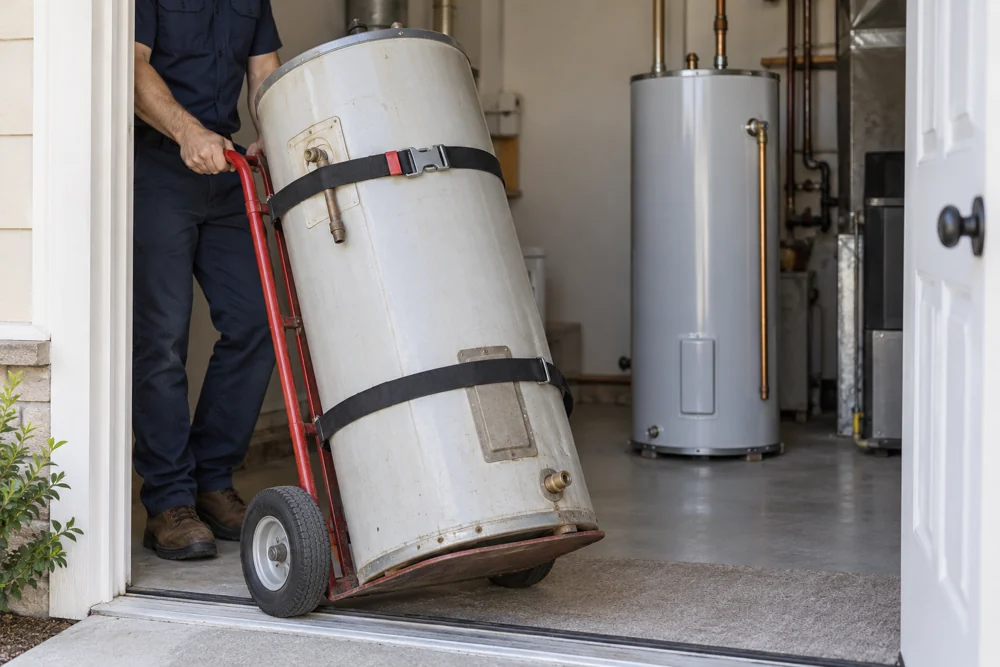
Name The Actual Leak
A drip through the outlet, a wet valve body and water around the tank fitting need distinguishing. Ask to have the starting point explained before approving parts.
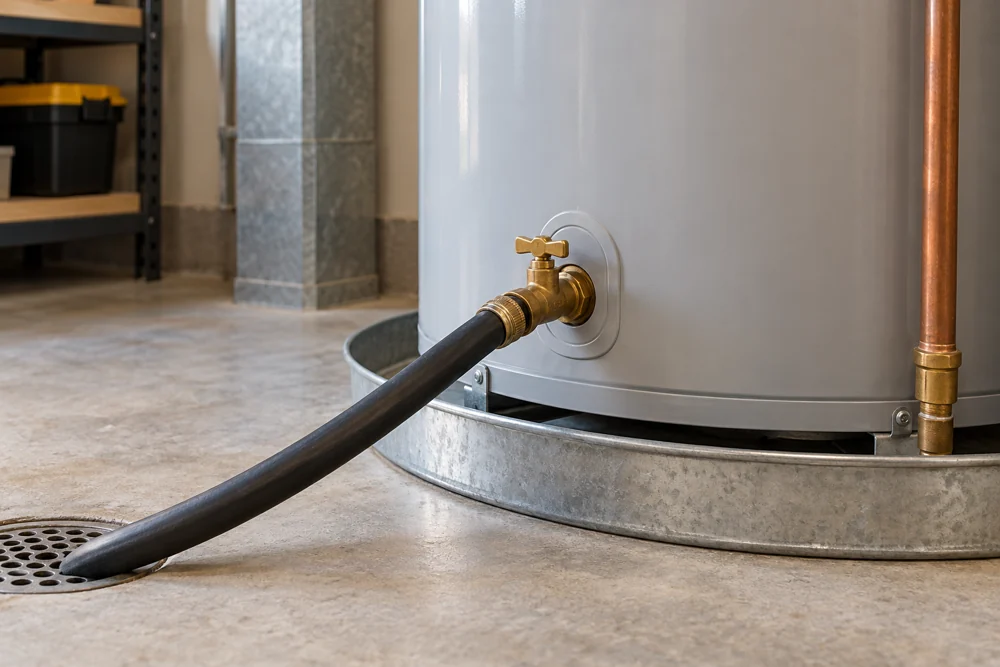
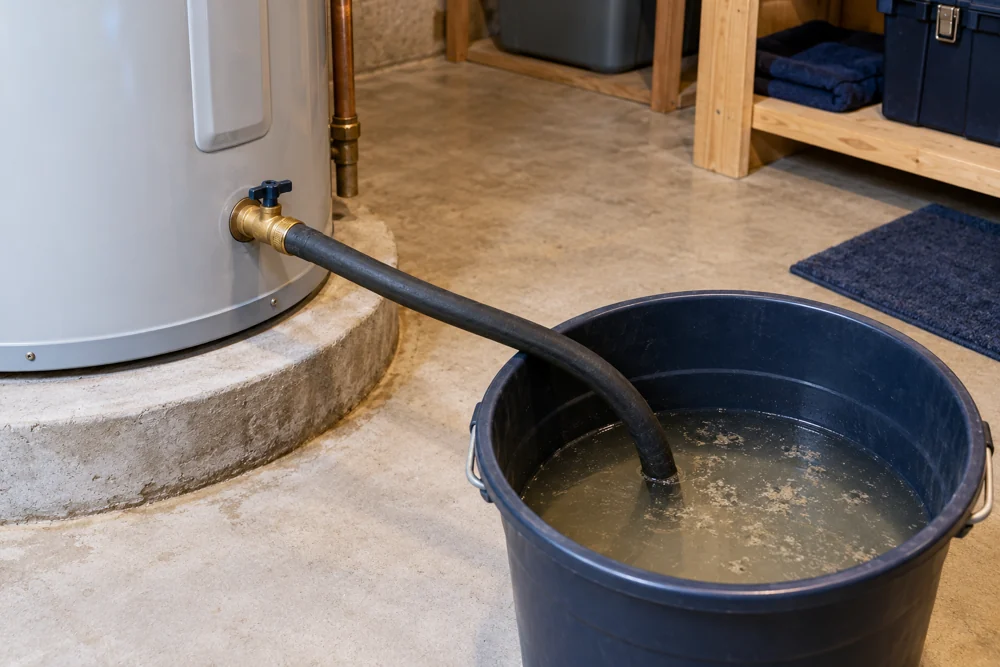
That little faucet near the bottom of the tank should not leave you mopping the floor. Find out whether the leak starts at the outlet, the valve body or the tank connection before deciding what to replace.
Yes. A failed drain valve can be replaced while retaining a suitable storage heater. First establish that the valve is the source and check the tank connection and overall heater condition. Water beside the drain is not, by itself, proof that either the valve or the tank has failed.
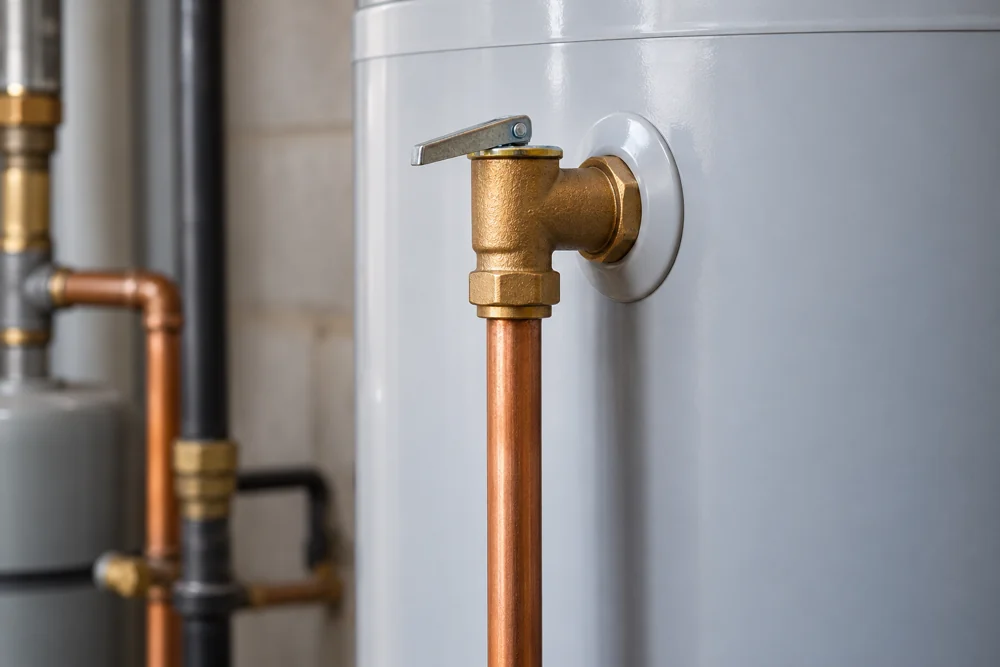
The drain valve is a service outlet near the tank base. It is different from the temperature and pressure relief valve and its discharge pipe. Never plug a relief outlet. See A. O. Smith’s guide to water around a heater.
A focused assessment helps you understand whether this is a valve repair, maintenance work or a different leak.
A drip through the outlet, a wet valve body and water around the tank fitting need distinguishing. Ask to have the starting point explained before approving parts.
A flushing visit removes sediment; a valve replacement changes a component. Ask which service is proposed and whether both are needed at your heater.
A low valve behind stored items or a drain that will not flow can change the job. Describe the setup early and ask which extra work would need approval.
The invoice should identify the work, replacement part and any remaining finding. Keep the attending provider’s contact details and applicable warranty terms.
You do not need to know the valve type. Describe the first wet spot and whether the problem began after draining or flushing.
Discuss The Drain ValveThe attending provider confirms the equipment, work required and price before the repair.
Be specific about where water first appears. A photograph from a safe position can be more helpful than a part name.
Say whether water comes from the opening even though the valve appears closed. You do not need to keep turning the handle to demonstrate it.
Describe moisture near the operating part separately from a drip at the outlet. Valve designs differ, so a generic washer replacement is not always the answer.
Mention visible damage without twisting or pressing on the valve. Keep clear if the flow is active or the surrounding area is unsafe.
The threaded joint and the tank connection need assessment. Water here does not automatically identify which surface or component has failed.
Give the service date and explain whether the drip began as soon as the valve was closed or appeared later. Have the previous invoice ready.
Sediment can obstruct a drain path. A. O. Smith advises getting professional assistance when the tank cannot be flushed; do not keep forcing a stuck part.
Background: A. O. Smith on draining and flushing. An observation helps arrange the visit; it is not a remote diagnosis.
Several faults can leave water near the bottom of a heater. The assessment needs to separate them.
| Where Or When | What Needs Checking | Useful Detail For Your Call |
|---|---|---|
| Valve Outlet | A valve that does not seal, debris or another valve fault. | Whether the drip comes through the opening and whether it began after service. |
| Handle Or Stem | Leakage around the operating assembly rather than the outlet. | Where droplets form without moving the handle. |
| Valve Body | Visible damage or corrosion affecting the component. | Any crack or recent impact you have already noticed. |
| Threaded Tank Connection | The joint seal and the condition of the tank fitting. | The first wet point, not only the puddle below it. |
| Tank Base Or Drain Pan | A tank leak or water arriving from a different fitting. | Whether a higher part of the heater is also wet. |
| Valve Open But No Drain Flow | An obstructed drain path or another draining issue. | What maintenance was attempted and whether the heater is still out of service. |
If the water path is unclear, begin with water heater leak detection. A valve repair should follow the finding, not the location of the puddle.
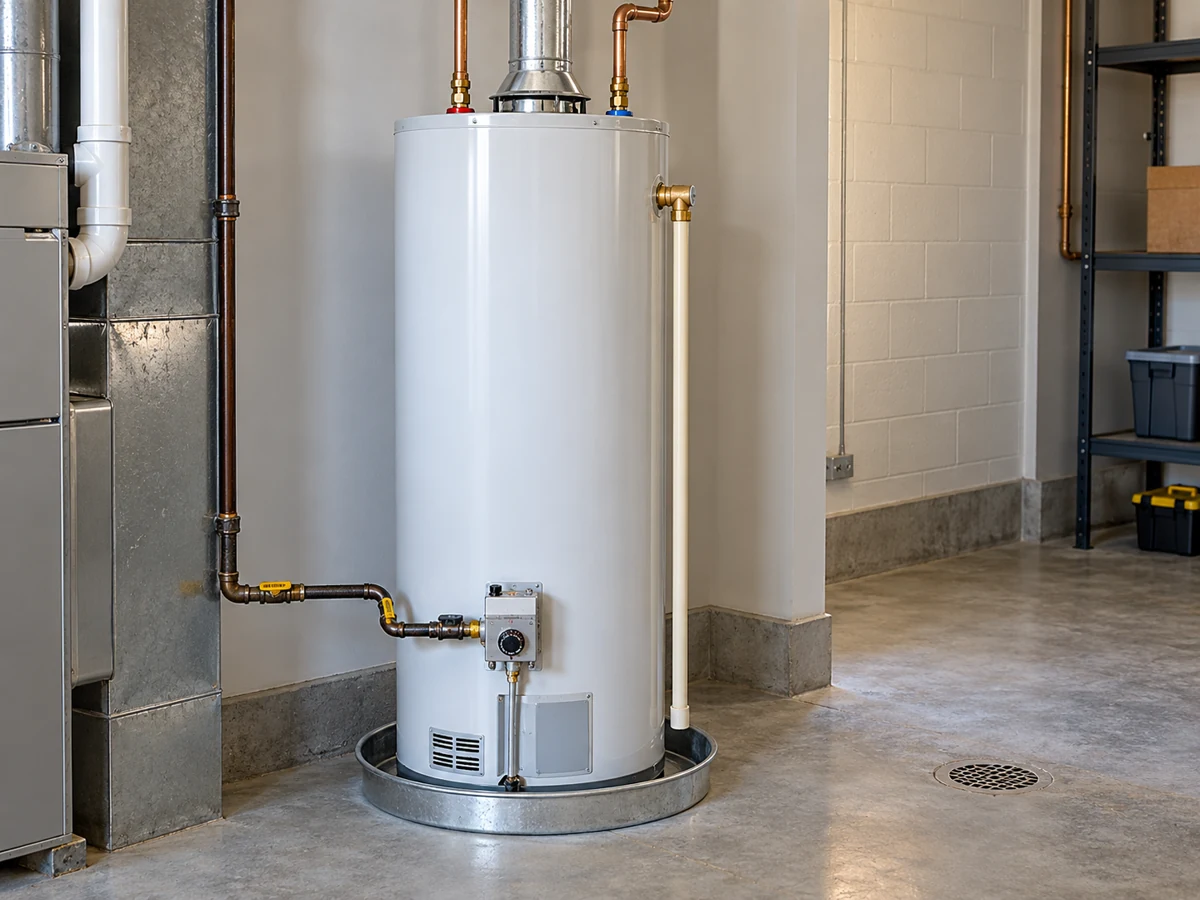
A repairable valve fault and a failed storage tank are different findings.
Ask whether the heater can reasonably remain in service after the valve work. Its condition, tank connection, repair scope and any other diagnosed fault should support the recommendation. The heater’s age also helps put the repair and replacement options in context.
A confirmed tank leak needs a replacement discussion. Ask for that finding to be explained so a valve change is not mistaken for a solution to a different problem.
Explore water heater replacement when tank failure is established, or read repair-versus-replacement considerations.
The proposal should cover the part, the surrounding connection and the return to service.
Some designs have serviceable components; others call for a complete assembly. Ask which part has failed and what the manufacturer permits for the installed valve.
A material label alone does not establish compatibility. Discuss the replacement specification, condition of the connection and why that part suits the equipment. Do not force an aging plastic body.
A valve close to the floor or behind equipment can affect the work. Ask what happens if the old part is seized or the fitting is found damaged during removal.
The heater needs to be returned to service according to its instructions. Ask who will confirm filling and the required checks before heating resumes, especially on an electric unit.
Rheem’s drain-valve replacement bulletin covers isolation, draining, replacement, filling and a final check. The actual heater and part instructions govern your installation.
You should understand the proposed work and any remaining uncertainty before the job begins.
Explain when the valve became wet and whether it was recently used. The provider checks the accessible water path and the condition around the suspected fault.
Discuss safe isolation, cooling, draining and where water will be discharged. Mention a basement with difficult access or a drain that has already stopped flowing.
Review the part and labor scope. If a new finding changes the plan, ask for the explanation and revised price before approving the additional work.
The technician follows the applicable refill and restart instructions and checks the repaired point. Ask what was observed and how to report a repeat leak.
These services solve different problems. Ask which finding explains the recommendation at your heater.
The assessment supports work at the valve. Ask whether the quote covers a permitted service part or the complete assembly and its connection.
Finding The Leak Source →A restricted drain may complicate service. Ask how the provider will handle that condition and whether sediment maintenance is included or a separate service.
Water Heater Flushing →A tank leak, relief discharge or leaking supply fitting needs its own decision. Replacing the drain valve will not repair an unrelated source.
Heater Replacement →These job histories show why a wet floor, a tank leak and a valve-stem leak must be distinguished. They involved different repair scopes.
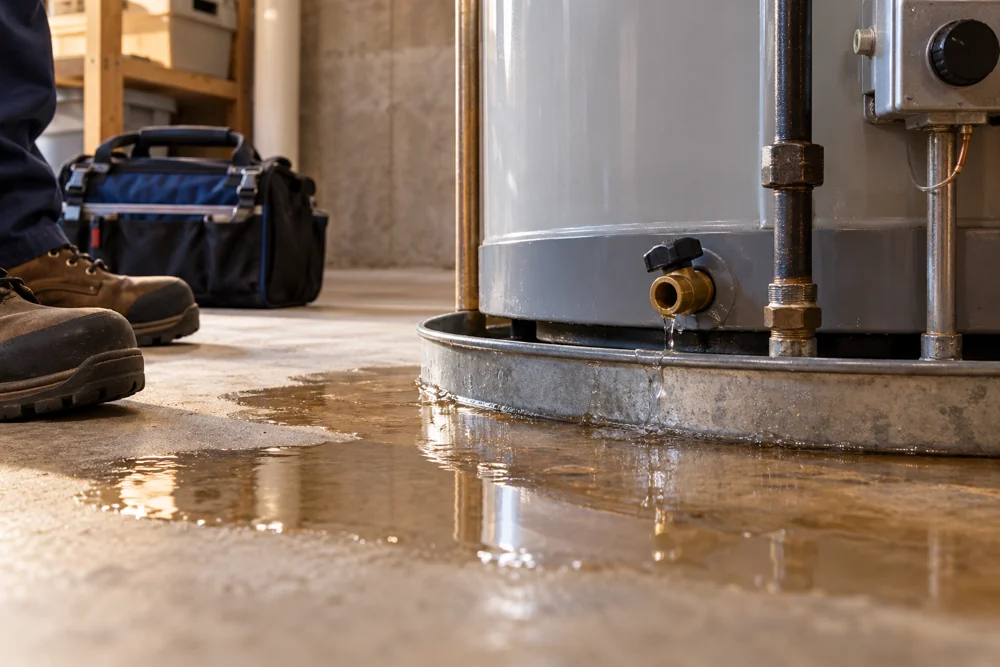
A sixteen-year-old gas heater had reached the point where the tank leak was beyond safe repair. The problem was not a reported drip through a service outlet.
The old heater was removed and hauled away. A correctly sized replacement, fresh drain pan and expansion tank were installed that day, restoring hot water that afternoon.
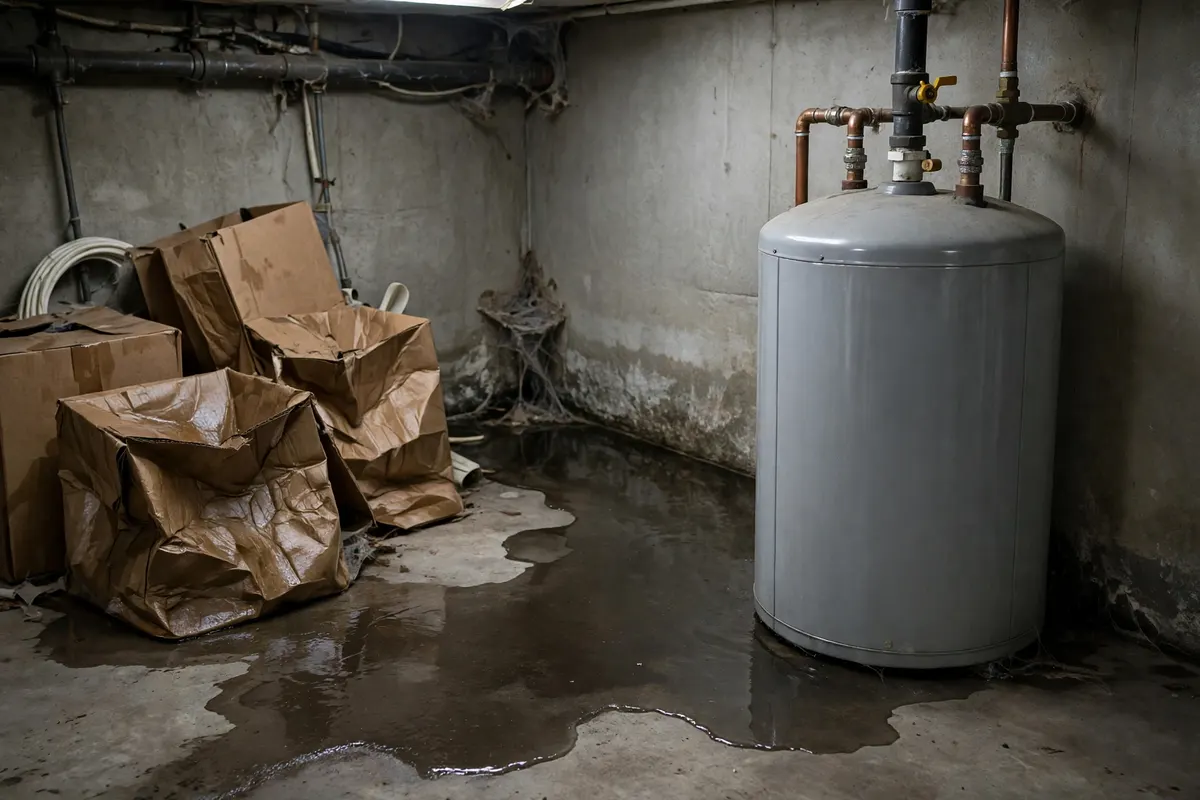
Water returned three times in a week, while the outside of the tank appeared dry. The floor location did not reveal the actual source.
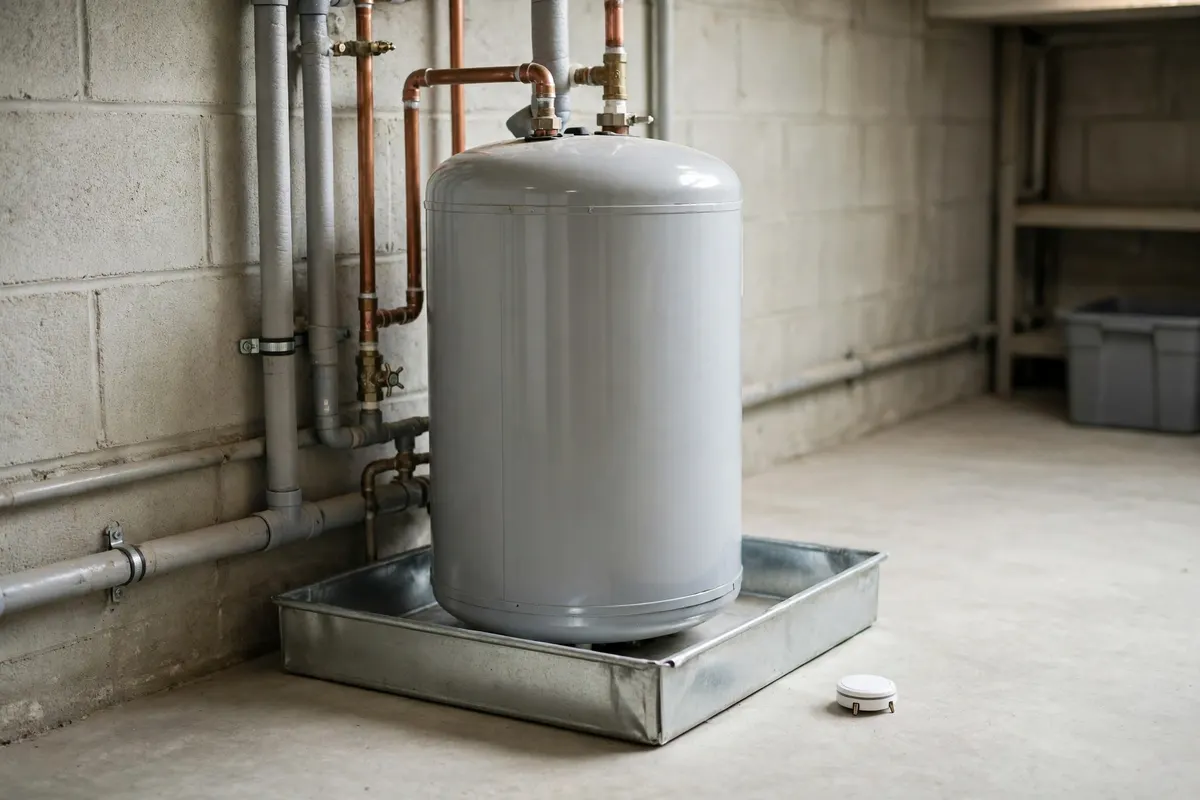
Testing found a weeping fitting behind the tank. The connection was repaired, the floor dried and a water-leak sensor added.
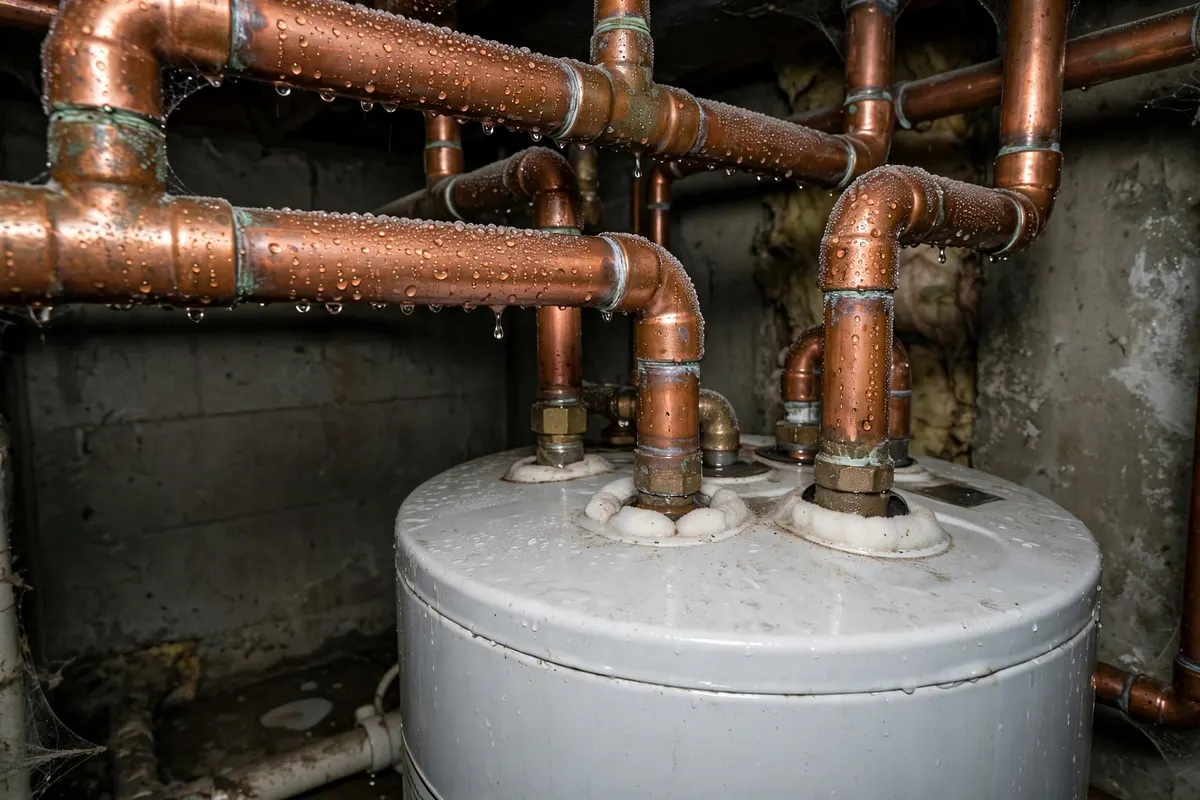
Cold-water pipes stayed wet in a damp basement through summer. The homeowner believed the pipework itself was leaking.
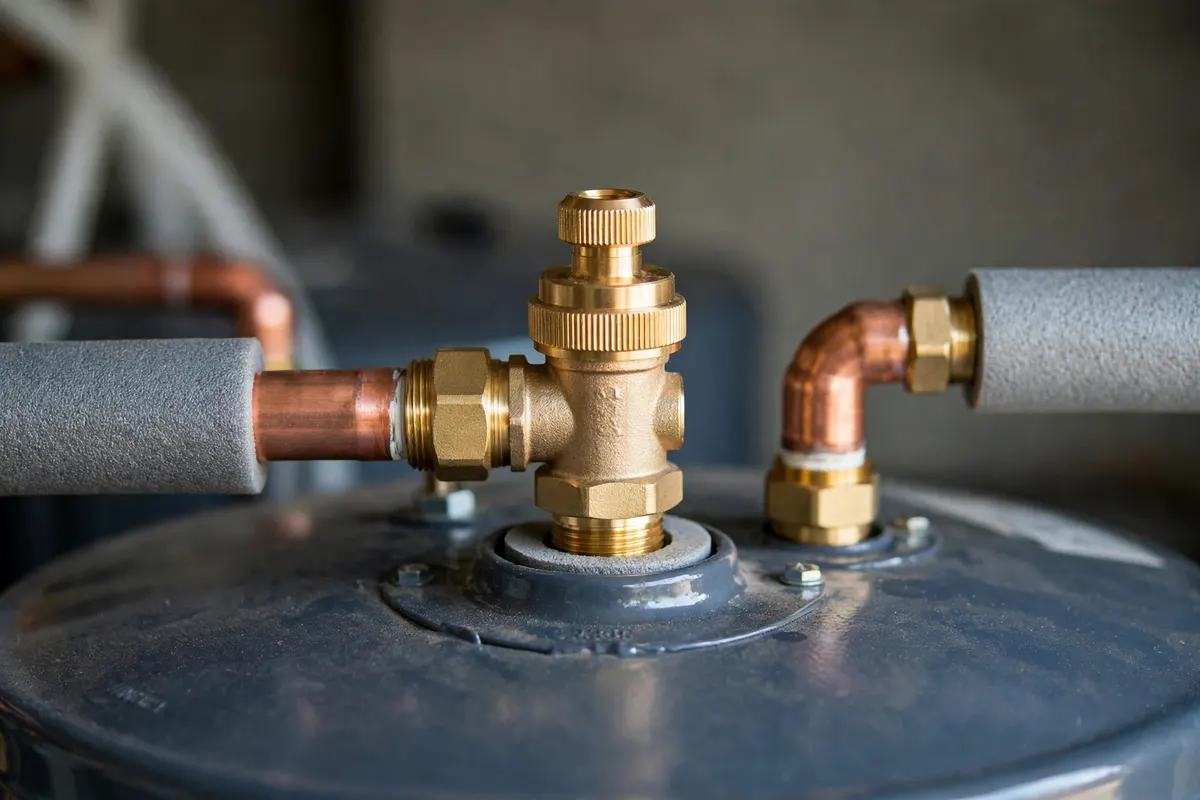
The pipes were sound. The actual leak was traced to a valve stem and the repair was made there, rather than replacing the sound pipework.
Water near your drain valve? Describe where it starts so the visit addresses the right component.
Request A Leak AssessmentReport that condition before the appointment so it can be included in the assessment.
Tank sediment can obstruct the drain path. A valve that will not drain needs a plan for the trapped water before replacement can proceed. Tell the provider what was attempted and whether the heater was left off afterward.
Do not push wire or tools through the opening or remove a valve from a full, hot tank to clear it. Ask how the obstruction affects the service, price and expected water interruption.
Confirm equipment capability, visit fees and the expected appointment arrangements with the attending provider.
A few details help explain the repair request without asking you to take the heater apart.
Give the full address when requesting help in these Kokomo neighborhoods. Coverage and appointment availability are confirmed for the individual property.
Compare the visit charge, specified part and labor, plus any draining or flushing included. A seized valve, an obstructed drain, poor access or a damaged tank connection can change the scope. Ask for the revised finding and price before additional work.
Check whether cleanup, a return visit and the parts or labor warranty are covered. An estimate for a valve replacement should be clear about what would happen if the tank itself is found leaking.
The repair should end with an understandable result, a work record and useful follow-up instructions.
Ask whether the outlet, operating assembly and tank connection were checked after the work. Have the technician explain the refill and restart result and any follow-up observation needed.
Keep the replacement part description and invoice. If water returns, note where the first droplets form and whether the heater has just recovered or undergone maintenance. Report that detail instead of assuming the same fault has returned.
A new drain valve does not renew the whole heater. Ask about other visible findings and which work, if any, remains separate.
Practical answers about leaks, parts, draining, sediment, estimates and hot-water interruption.
Often, yes, if the fault is confined to a replaceable valve and the tank connection and heater are suitable to retain. The provider should establish the source and explain any finding that changes the recommendation.
No. Water can reach the floor from a drain valve, another connection or a different source. Ask for the water path to be identified. A confirmed leak through the storage tank is a different problem from a removable valve fault.
A valve may fail to seal because of debris, a worn component or other damage. Describe the location and timing of the drip, particularly after maintenance. Assessment is needed to decide whether service or replacement is appropriate.
Do not force it. Extra force can damage a valve or its connection, particularly an aging plastic component. Report whether the leak is at the outlet, stem, body or threaded joint and arrange the appropriate assessment.
No single material choice establishes compatibility. Ask which part is specified for the heater and why the proposed design suits it. The condition of the tank fitting and access also affect the work.
That depends on the valve design, failed part and permitted service procedure. Some components can be serviced; other findings call for an assembly replacement. Ask which correction is proposed rather than assuming every drain uses the same washer.
Valve replacement requires a safe water-handling and isolation procedure for the equipment. Ask how the technician will cool, drain and refill the heater and what happens if the drain path is blocked. Do not remove a valve from a full, hot tank.
Sediment can obstruct draining, and a stuck component needs care. Stop the attempted maintenance and explain what happened to the provider. Ask how the trapped water and obstruction will be handled as part of the visit.
The valve was used during that service, and debris or a valve fault may now need attention. The sequence is useful history but does not prove the cause. Tell the provider exactly where water appears and have the service paperwork ready.
Only if the agreed quote includes both. Flushing is sediment maintenance; valve replacement changes a component. Ask which work is needed, what each item costs and whether a blocked drain changes the proposal.
A cap does not explain or correct the underlying valve condition. Ask the provider about a lasting repair and do not confuse a service drain with the safety relief outlet. Never cap or restrict a temperature and pressure relief discharge.
The quote depends on the visit, specified part, labor, access and any draining or additional work. Ask for an itemized estimate and approval before the scope changes. A published flat price would not describe every installation.
Ask after the provider understands the heater, access and draining conditions. Cooling, trapped water, an ineffective shutoff or another fault can change the time. Confirm the expected interruption and restart arrangements before work begins.
This page focuses on the drain valve of a storage-tank water heater. Tankless service valves and descaling arrangements require model-specific assessment. Use the tankless repair page and identify the equipment when requesting help.
For tankless equipment, explore tankless water heater repair.
Technical References · Checked 2 November 2026. General guidance; use the instructions for the installed equipment and the actual on-site findings.
A. O. Smith: Water Around A HeaterA. O. Smith: Draining And SedimentRheem: Drain-Valve ReplacementLennox: Drain-Valve Leak CausesCall with your address, heater type and a description of the leak. Ask about assessment, valve work, fees and availability.
Call (765) 227-1552LeakRescue Pros provides water-heater information and service requests. The attending provider confirms coverage, capability, scheduling, pricing and work terms.