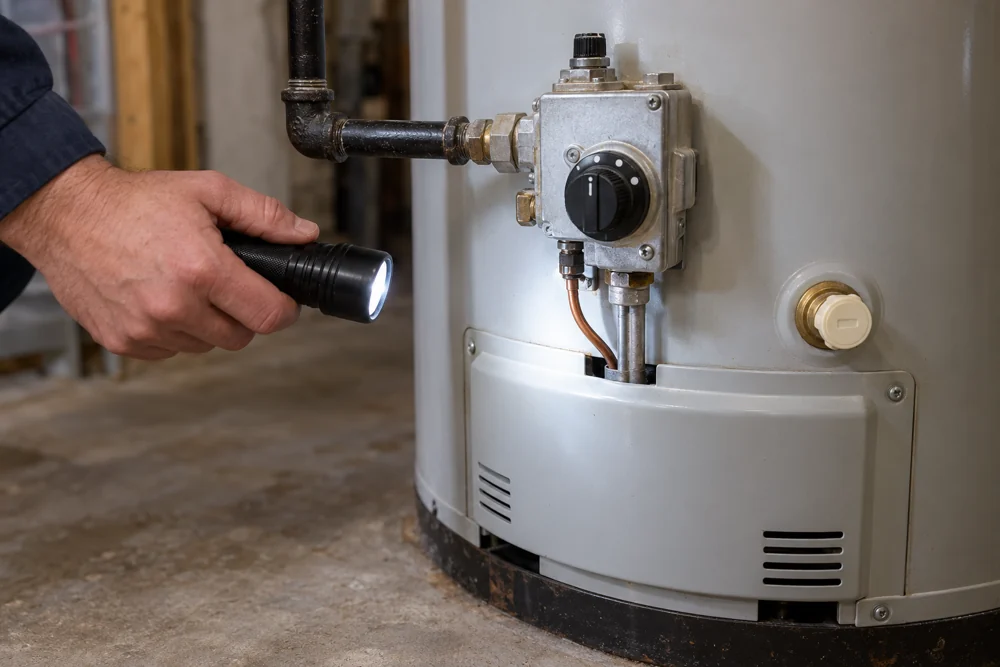
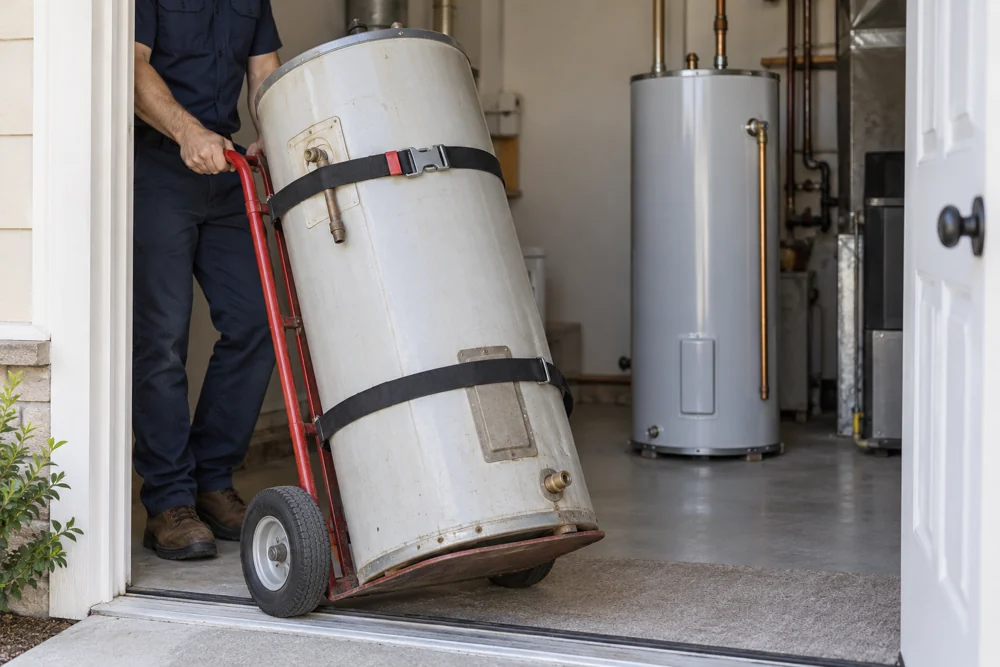
The Right Maintenance For The Unit
Start with the type, model and service history. A storage tank, heat-pump storage heater and tankless unit do not all use the same cleaning procedure.
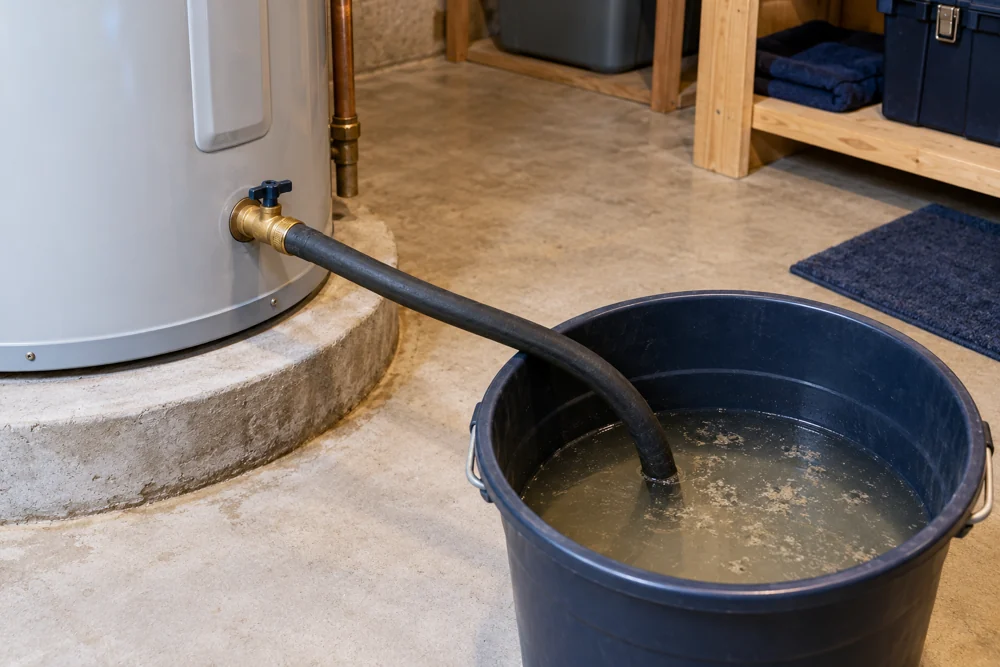
Discuss sediment removal for a storage tank or descaling for a tankless unit. Understand the cleaning scope, equipment condition and completion checks before booking maintenance.
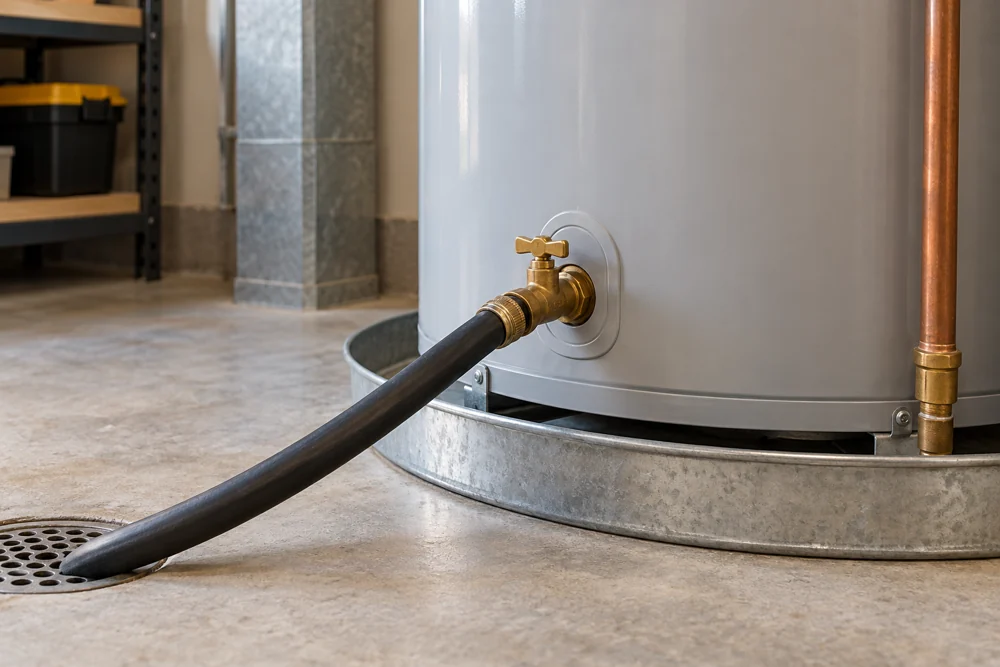
Storage-tank flushing removes drainable sediment as part of the heater’s maintenance procedure. Tankless descaling treats mineral deposits in the heat exchanger’s water passages using the model’s approved method. Neither service repairs a leaking tank, a failed seal or an electrical fault simply by cleaning the equipment.
Tell the provider whether you are booking scheduled maintenance or trying to solve a new symptom. A cold shower, a relief-valve drip and a noisy heater do not establish the same problem.
Get the purpose, price and completion checks explained before approving the work.
Start with the type, model and service history. A storage tank, heat-pump storage heater and tankless unit do not all use the same cleaning procedure.
Ask whether the visit is scheduled care or follows an identified deposit problem. If there is a separate leak or loss of heating, understand which diagnosis and repair remain.
A sound discharge route, accessible valves and the equipment’s condition affect the job. A corroded or blocked valve needs an explained plan before work proceeds.
Keep the maintenance record and findings. Ask which connections, operating conditions and return-to-service steps were checked, and when the next visit is recommended.
Do you know when the heater was last serviced? If not, say so. The provider can start with its model, condition and the history you do have.
Discuss Heater MaintenanceAgree on the work for your heater and property before the drain or service valves are disturbed.
The symptom can prompt assessment. It does not prove that cleaning alone will resolve the problem.
Use the model’s instructions and previous findings to set the next visit. An unknown service history calls for a condition review, not an assumed amount of sediment.
Deposits may be relevant, but noise can have other causes. Describe when it happens and whether the sound comes from the tank, piping or other equipment.
Report the change in delivery and household demand. Cleaning is not a substitute for diagnosing a failed element, burner, control or a delivery problem.
Provide the exact message and model if safely visible. Ask whether descaling is indicated and whether a separate operating fault also needs investigation.
Tell the provider before booking. A leaking valve or poor connection needs assessment; draining water does not automatically repair the valve.
Say whether it affects hot water only or cold water too, and whether it is new. That detail helps define the investigation before a heater flush is recommended.
The equipment, procedure and completion checks are different. Confirm which service is being quoted.
| What To Compare | Storage Tank | Tankless Unit |
|---|---|---|
| Main Purpose | Remove drainable sediment from the storage vessel. | Treat mineral deposits in the heat exchanger’s water passages. |
| Typical Method | The model’s draining and tank-flushing procedure. | The model’s approved circulating-cleaner and rinse procedure. |
| Service Access | Drain valve, supply isolation and a suitable discharge route. | Isolation/service valves and access for the specified cleaning setup. |
| What Sets The Timing | Manufacturer guidance, equipment condition and earlier sediment findings. | Manufacturer guidance, water conditions, use and earlier maintenance findings. |
| Completion Focus | Refill, repaired or disturbed connections and correct return to heating. | Rinse, valve positions, connections and operating checks for the unit. |
| What It Does Not Repair | A failed storage tank, faulty heating component or leaking valve by itself. | A split connector, failed seal or physically damaged heat exchanger by itself. |
“Tankless flushing” is commonly used to mean descaling; it is not draining a large storage vessel. Manufacturer explanations: A. O. Smith on tank maintenance and Navien on descaling.
Annual maintenance is a common manufacturer recommendation, but the installed model’s instructions and water conditions set the actual plan.
A. O. Smith’s general guide recommends at least annual flushing for most tank types and notes that harder water can call for more frequent care. Other model instructions use an initial inspection to adjust later intervals.
Tankless descaling and heat-pump storage maintenance have their own requirements. Ask what the actual model needs and what this visit’s findings suggest for the next service.
References: A. O. Smith’s maintenance guide and Rheem’s flushing guidance.
The visit needs a workable plan for the installed heater and its surroundings.
Report visible leaks, corrosion, overheating, a repeated shutdown or earlier repairs. Ask whether the heater is suitable for maintenance as proposed or needs a different assessment first.
The provider should consider access and condition. If a storage tank will not drain or a service valve is faulty, ask what finding supports additional work and how the cost changes.
Basement steps, distance to drainage, finished flooring and the route for hoses can affect the work. Explain the layout before the visit. Hot water and cleaning solution need appropriate handling.
Drainable sediment and removable scale are maintenance targets. A badly damaged component, persistent leak or separate loss of heating should not be described as fixed just because the cleaning procedure was completed.
If a drain valve is blocked or damaged, see drain-valve assessment and replacement. Do not force a valve or remove it from a hot, pressurized heater to improve drainage.
Know what will be done and what the provider will check before the heater is left in service.
Give the provider the equipment type, model if available and service history. Explain whether this is scheduled maintenance or follows a new noise, leak or loss of hot water.
Review the cleaning method, visit price, drainage arrangement and included checks. Clarify how a blocked valve or separate fault will be explained and approved.
The technician follows the applicable isolation, cooling, draining or descaling requirements. The procedure should suit the actual unit rather than a generic kit or fixed promise of results.
The work should include the required return-to-service steps. Ask which connections and operating conditions were checked, what remains unresolved and when maintenance should next be reviewed.
A maintenance service should not be sold as the cure for an unidentified fault.
The model, condition and maintenance plan support cleaning. Confirm the scope and next interval, with no assumption that the visit includes every possible inspection or repair.
Review The Flushing Scope →A worn seal, leaking drain valve, failed element or pressure-related discharge needs its own finding. Cleaning and component repair can be part of one visit, but they are different work.
Trace A Leak Before Repair →A confirmed leak through the tank is not repaired by removing sediment. Ask about replacement scope, access, removal and the installation changes required for the new unit.
Explore Heater Replacement →If the heater has never been flushed, age alone does not tell you the right next step. Have its actual condition and the proposed procedure reviewed.
Cleaning with repair, a planned descaling schedule and a failed tank each led to a different decision.
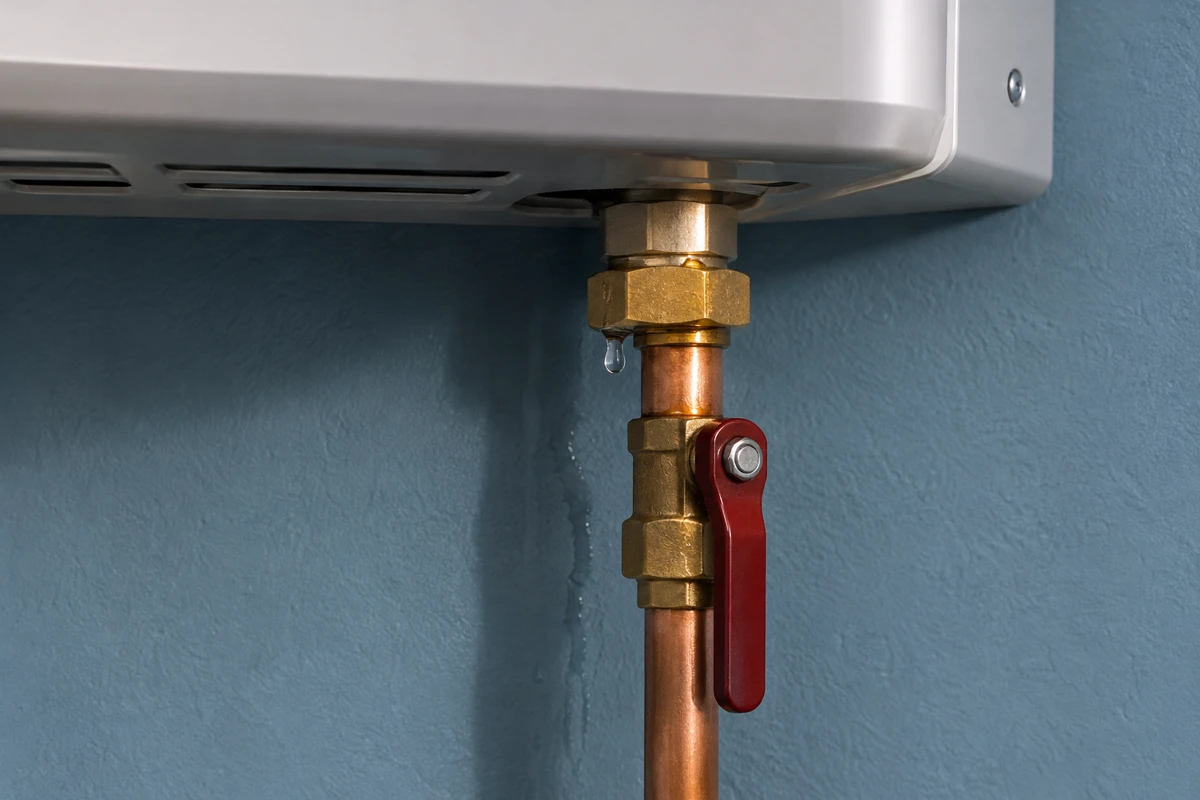
The tankless heater repeatedly showed an error and also dripped at night. The complaint involved both hot-water interruption and a water leak.
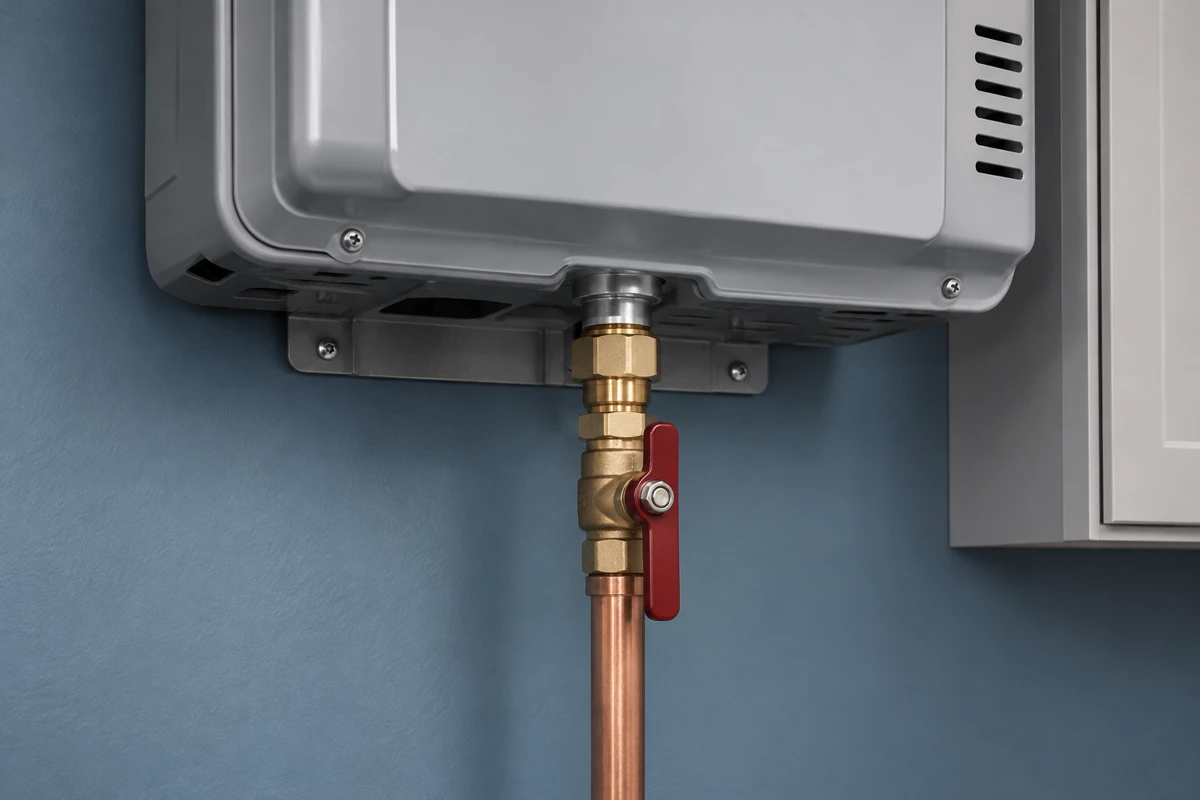
The unit was cleaned, the worn seal was replaced and the homeowner was shown its care routine. The reported code stopped returning and the drip was gone.
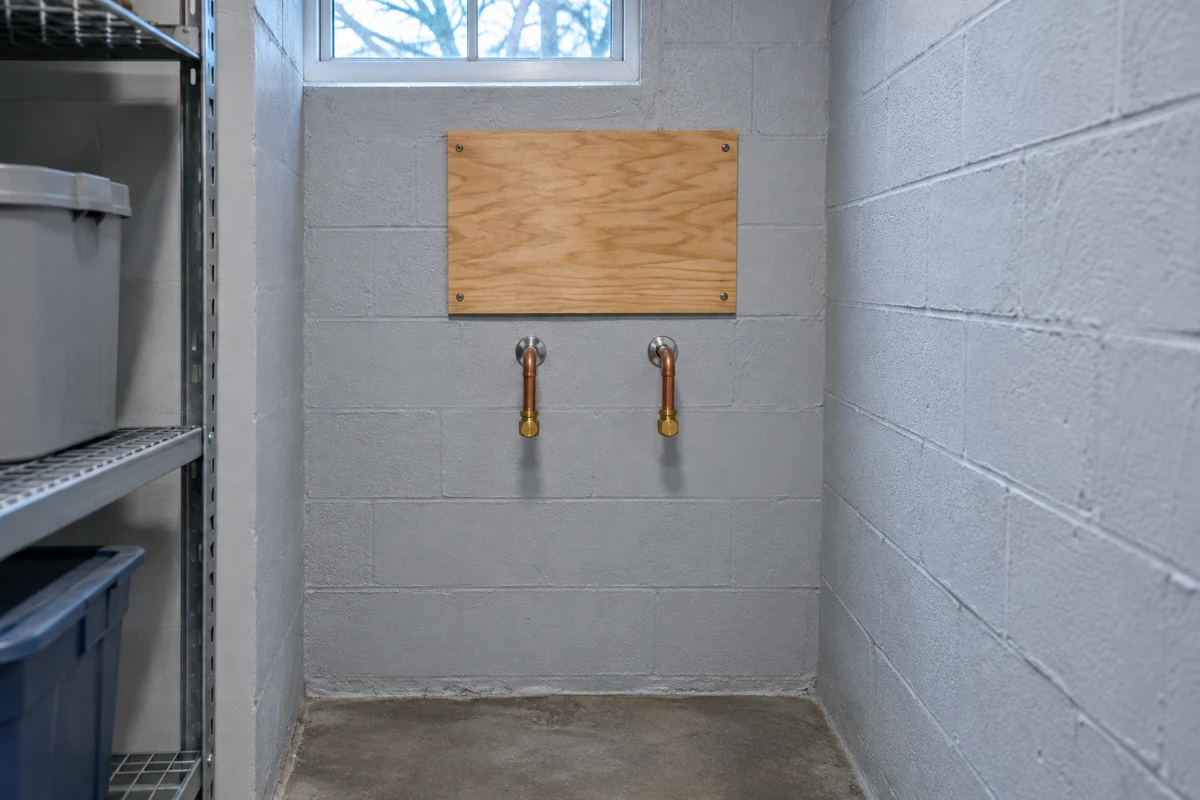
The installation had to fit a confined utility room. The layout and the ongoing care of the new tankless equipment both needed consideration.
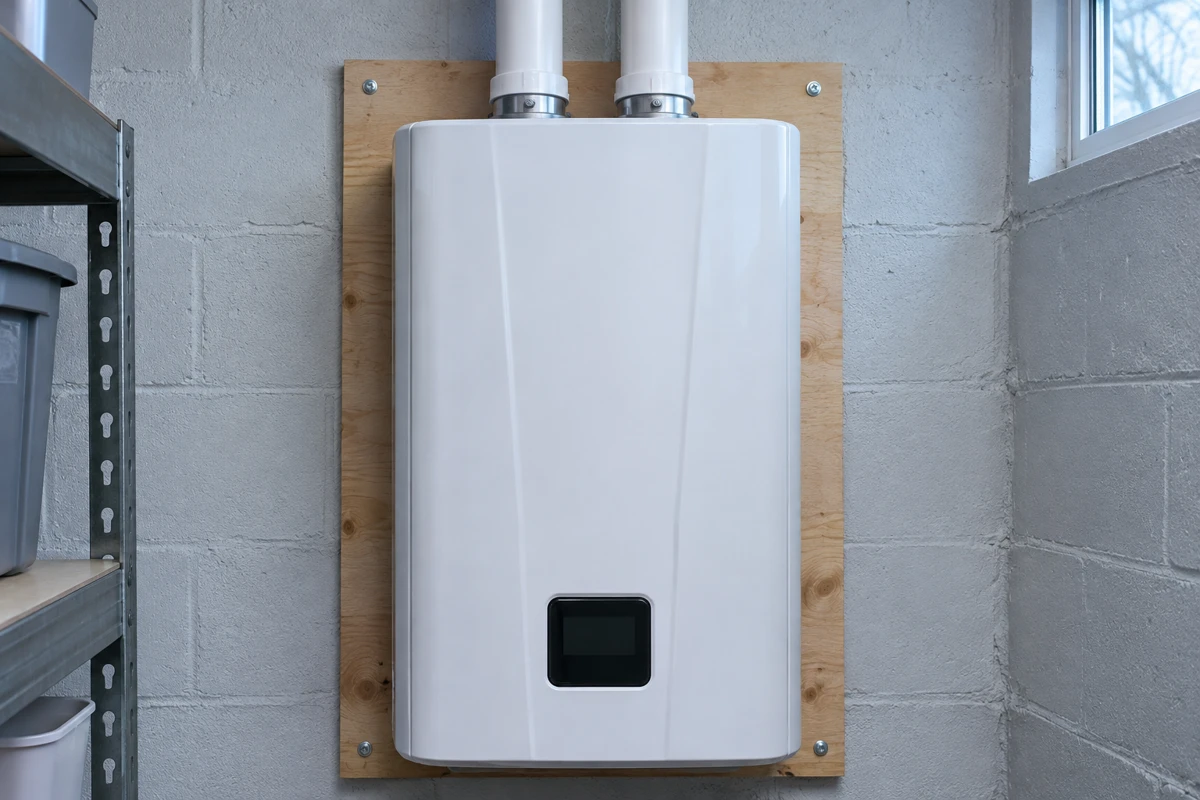
The tankless unit was installed with neat piping, usable floor space was regained and an annual descaling plan was set. Maintenance was planned alongside the completed installation.
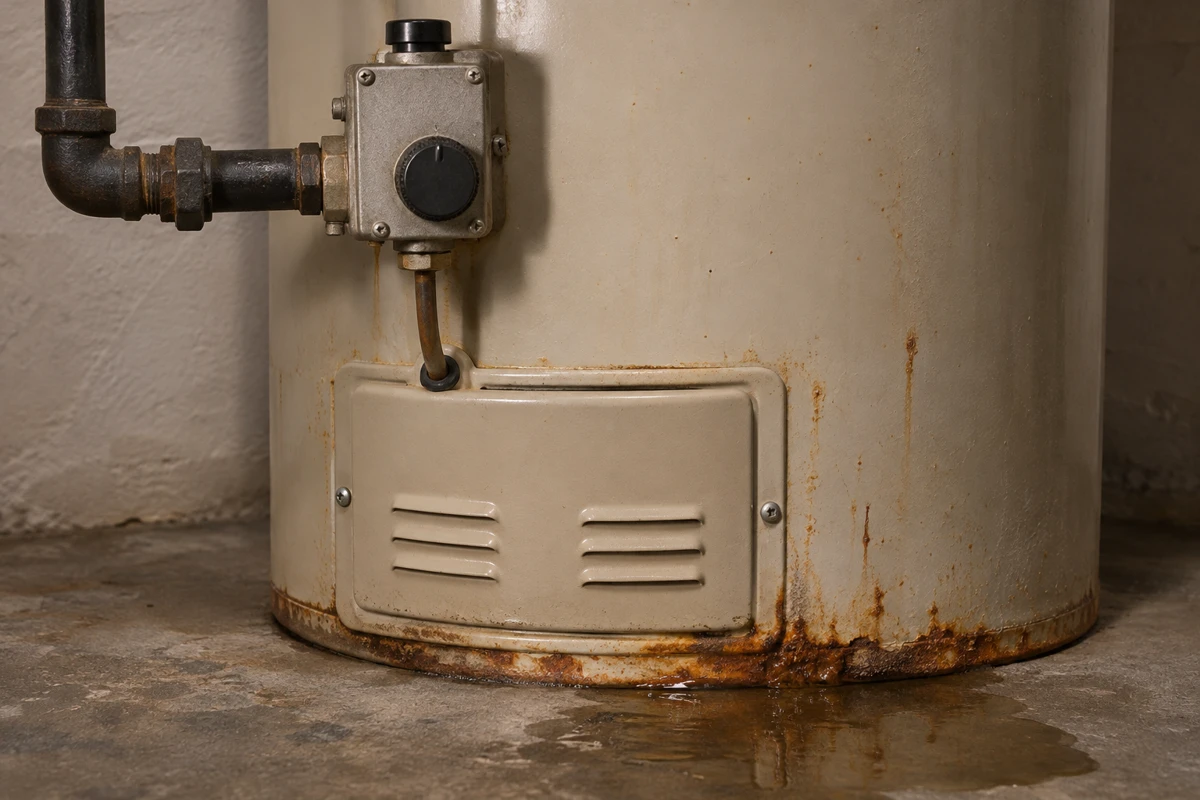
The 16-year-old gas tank was beyond a safe repair. A maintenance flush could not correct the failed storage vessel.
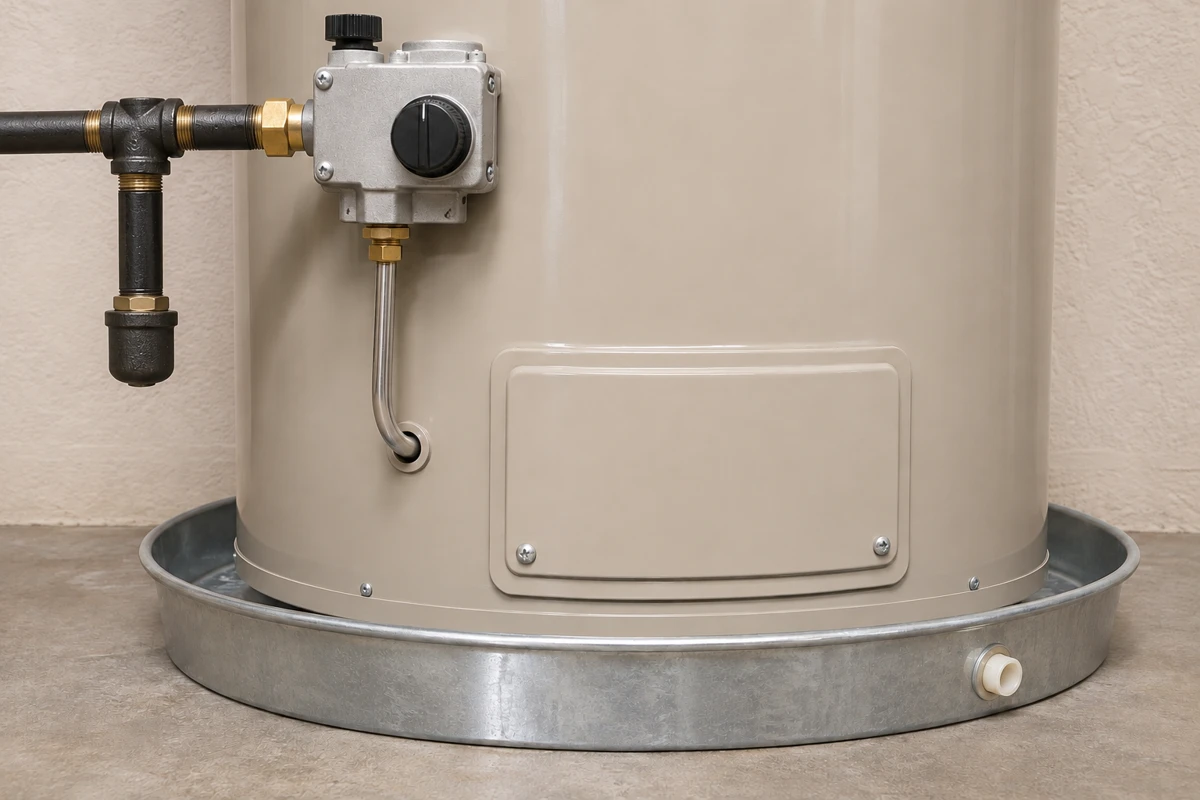
The old unit was removed and hauled away. A correctly sized replacement was installed the same day with a fresh drain pan and expansion tank, and hot water returned that afternoon.
Booking maintenance because something changed? Describe that change. Ask whether the proposed cleaning addresses it or whether assessment and a separate repair are needed.
Discuss The Right ServiceThe cleaning procedure and return to service should be treated as one explained scope.
After draining, the heater must be refilled as its instructions require before the electric elements are energized. An element can be damaged by heating without adequate water around it. A closed drain valve alone does not establish that the tank is ready.
The applicable procedure includes rinsing and restoring the service arrangement before normal operation. Ask which valves, connections, filters and operating checks were included for the actual model.
Keep the area clear while the work is underway. Hot discharge, wet electrical equipment or a leak that appears afterward needs attention rather than a return to ordinary use without assessment.
A useful first call covers the heater, its history and the practical access to it.
Give the provider the equipment and access details that affect the maintenance visit.
The attending provider confirms coverage and scheduling for the individual property.
Equipment type, labor, access, discharge arrangements and the included checks affect the estimate. Tankless descaling may require different equipment and materials from storage-tank maintenance. Ask whether a blocked valve, parts or an additional diagnostic finding is priced separately.
For a Kokomo basement or garage, explain the hose route and any unheated area. In freezing weather, the discharge and access plan needs to suit the conditions. Do not assume water can be released wherever it is easiest to reach.
A maintenance record helps the next provider understand what was done and why.
Record the date, heater model, work completed and any sediment or deposit findings reported. Ask which connections and operating checks were included and what still needs attention.
Set the next review using the model instructions and this visit’s findings. A fixed calendar reminder can help, but it should reflect the equipment rather than replace an actual maintenance recommendation.
Report a returning drip, noise or delivery problem with the service record. Completing maintenance does not establish that a separate fault has been corrected.
Answers about sediment, descaling, intervals, drain valves and maintenance limits.
Draining removes water from the vessel. Flushing is the model’s cleaning procedure intended to carry out drainable sediment. Ask which work is being quoted, what the procedure includes and which completion checks follow it.
Annual flushing is a common general recommendation for storage tanks, but follow the installed model’s instructions. Water conditions, use, heater condition and earlier sediment findings can change the appropriate interval. Tankless and hybrid maintenance requirements also need identifying.
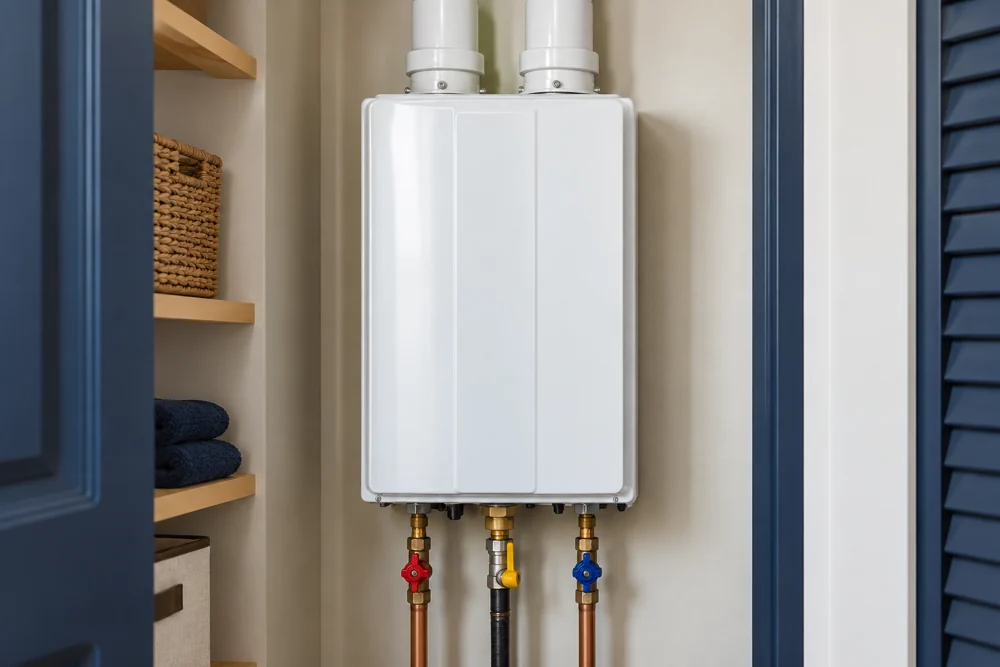
No. Tankless flushing commonly means descaling the heat exchanger’s water passages with the approved procedure. A storage tank is drained and flushed for sediment. Confirm the equipment type, method and included rinse or refill checks before booking.
Not by itself when the cause is a failed tank, worn seal, damaged fitting or leaking valve. The source needs assessment and a specific repair where appropriate. Tell the provider about an active leak before requesting routine maintenance.
Not automatically. Loss of heating can involve a component, power, fuel, controls or delivery conditions. Explain the complaint first and ask what finding supports maintenance or repair. A cleaning service does not replace diagnosing a failed heating component.
No. Deposits can be relevant, but sound alone does not establish the cause. Describe when the noise occurs and where it seems to come from. The provider should assess the complaint before promising that a flush will resolve it.
Have the actual model and condition reviewed. Age or unknown maintenance history alone does not settle the decision. Report leaks, corrosion and valve problems and ask whether the proposed maintenance is appropriate or another assessment is needed first.
Contact the provider with the symptom and maintenance record. A valve or connection issue may need separate repair. Do not force or dismantle a valve on a hot, pressurized heater to make it drain or stop a leak.
No. Storage-tank maintenance and tankless descaling use different procedures. Any cleaner must suit the actual equipment and its manufacturer instructions, with the required handling and rinsing. Do not pour an unknown chemical into the heater or drinking-water plumbing.
An electric element can be damaged if it is energized without adequate water around it. The model’s filling and return-to-service steps must be completed. A closed drain valve or dry floor does not establish that the heater is ready for power.
Do not assume so. Ask which inspection and maintenance items are included for the actual model and which are separate. An anode finding, pressure-related discharge or a faulty relief valve may require its own explained scope.
Timing depends on the heater, cooling and draining requirements, access, restrictions, cleaning method and completion checks. Ask for the expected visit length for your equipment. A fixed cleaning duration is not a guarantee for every installation.
The estimate depends on equipment type, labor, access, materials, drainage arrangements and included checks. Confirm the visit fee and whether blocked-valve work, parts or separate diagnostics are extra. Request approval before additional repair is added.
No. Appropriate maintenance addresses deposits and supports equipment care, but it does not guarantee a particular saving, lifespan or freedom from leaks. Ask what was found, what was completed and what maintenance or repair remains.
Technical References · Use the installed model’s maintenance instructions. These sources explain service topics and do not replace the on-site assessment.
A. O. Smith: Water Heater MaintenanceA. O. Smith: Draining And FlushingRheem: Flushing IntervalsNavien: Tankless DescalingNavien: Maintenance ScopeA. O. Smith: Model-Specific Use And CareA. O. Smith: Filling Before HeatingCall with your address, heater type and service history. Ask about flushing or descaling, included checks, visit fees and availability.
Call (765) 227-1552LeakRescue Pros provides water-heater information and service requests. The attending provider confirms coverage, capability, scheduling, pricing and work terms.